Flash Memoir Prompt: Role You Played in Your Family that You Didn’t Choose

flash memoir prompt family role

The table goes quiet, someone looks at you to smooth things over, and you feel the old assignment settle on your shoulders again. This flash memoir prompt role played family didn’t choose invites you to write about that inherited job through one focused memory, one clear detail, and one emotional truth.

flash memoir prompt family role

The Prompt: Flash Memoir Prompt Role Played Family Didn’t Choose

Write about the role you played in your family that you didn’t choose.

This prompt can open a powerful memory because family roles often begin before we have words for them. Maybe you became the peacemaker, the helper, the quiet one, the funny one, the responsible one, or the child who never caused trouble.

You may not have been given the role out loud. No one may have said, “This is your job now.” Still, you learned it. You watched faces. You heard tones shift. You figured out what kept the house calm.

A flash memoir works well here because you do not have to explain your whole family history. You only need one moment when you felt the role clearly.

Why This Memory Matters

The role you played in your family may have shaped how you speak, listen, apologize, work, love, or stay silent. It may also reveal a version of you that had to grow up too fast or shrink down to keep the peace.

This kind of memory often lives in small scenes. A younger sibling crying in the hallway. A parent asking you to “be mature.” A holiday dinner where everyone waited for you to make a joke. A report card praised less for grades than for being “no trouble.”

Those small scenes matter because they show how identity forms inside ordinary rooms. A child learns who they are expected to be through repeated moments. Over time, that role can feel like personality, even when it began as survival.

If you study literature, you may notice the same pattern in fictional families. Characters often carry roles they never asked for. Looking at how a character’s behavior reveals pressure can sharpen your own memoir writing, too. If you want help seeing that pattern on the page, this guide on how to analyze characters in literature offers a useful lens.

For your own story, the goal is not to blame everyone or solve the past in one paragraph. The goal is to show one true moment. Let the reader feel what it was like to stand inside that role.

The Flash Memoirist
previous arrow
next arrow

How to Approach This Prompt

Begin with a physical detail. Choose something you can see, touch, hear, or smell from the memory. A chipped mug. A bedroom door left open. The sound of dishes being stacked too hard. A school uniform still on your body while adults talked in the next room.

Then narrow the memory to one scene. Do not try to tell the whole story of your childhood. Pick one afternoon, one car ride, one family meal, or one conversation that shows the role you played.

Before you explain what it meant, write what you noticed. What did people do with their hands? Who looked at you? Who avoided your eyes? What did your body do before your mind caught up?

This can keep the writing honest. Instead of starting with “I was the responsible one,” you might begin with, “I counted the cash in my mother’s wallet while my brother kicked the cabinet under the sink.” The reader will understand the role through action.

You can also borrow a practice from close reading. When you annotate literature, you mark details before making a big claim. Try the same move with your memory. Mark the small details first. Let meaning arrive after.

If the memory feels heavy, give yourself a limit. Write for ten minutes. Stay with the scene, then stop. Flash memoir does not require you to reopen every door at once.

You might use this starting line: “In my family, I was the one who…” Then cross it out later if you want. Sometimes a plain sentence helps you enter the room.

A Quick Example

I was twelve when I learned how to count the silence between my parents. At dinner, my father cut his pork chop into smaller and smaller pieces. My mother kept asking if anyone wanted more rice, though the bowl was almost empty. My little sister swung her feet under the table and looked at me. That was my signal. I told the story about our math teacher’s wig slipping sideways during class. It had happened two weeks before, but I knew it still worked. My sister laughed first. Then my mother did. My father smiled without showing teeth. I felt proud for maybe five seconds. Then tired. No one had asked me to be funny, but everyone seemed relieved when I was.

Try It Yourself

Set a timer for ten or fifteen minutes and write from the prompt: Write about the role you played in your family that you didn’t choose.

Focus on one memory where the role became visible. You do not need a perfect ending. You do not need to forgive anyone or accuse anyone. Just show what happened and how it felt from inside your younger self.

If you get stuck, return to the body. Where were you sitting? What were you holding? Did your throat tighten, your stomach drop, or your face arrange itself into the expression everyone expected?

This flash memoir prompt role played family didn’t choose can lead to a quiet discovery. You may find grief there. You may find humor. You may find respect for the younger version of you who figured out how to get through the room.

When you finish, read the piece once and underline the sentence that feels most alive. That sentence may be the real beginning.

Want More Flash Memoir Prompts?

If this prompt helped you uncover a specific memory, keep going with short, focused writing sessions. Explore all 365 prompts in The Memory Trigger: 365 Flash Memoir Writing Prompts.
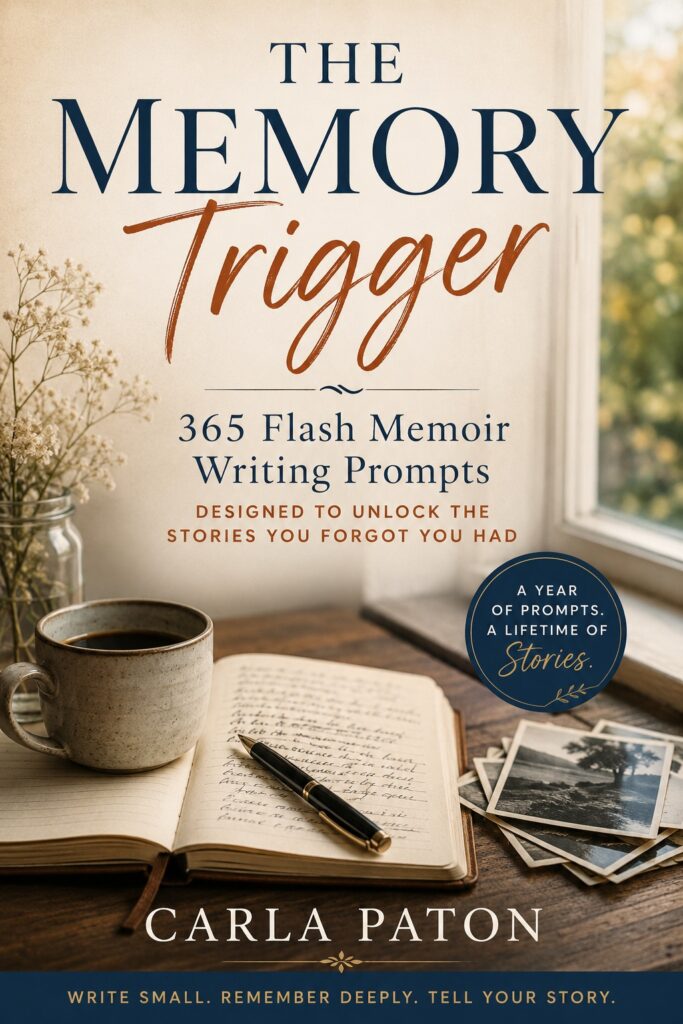
The Memory Trigger

Flash Memoir Prompt: Silence at a Family Meal that Everyone Pretended Wasn’t There

flash memoir prompt family meal

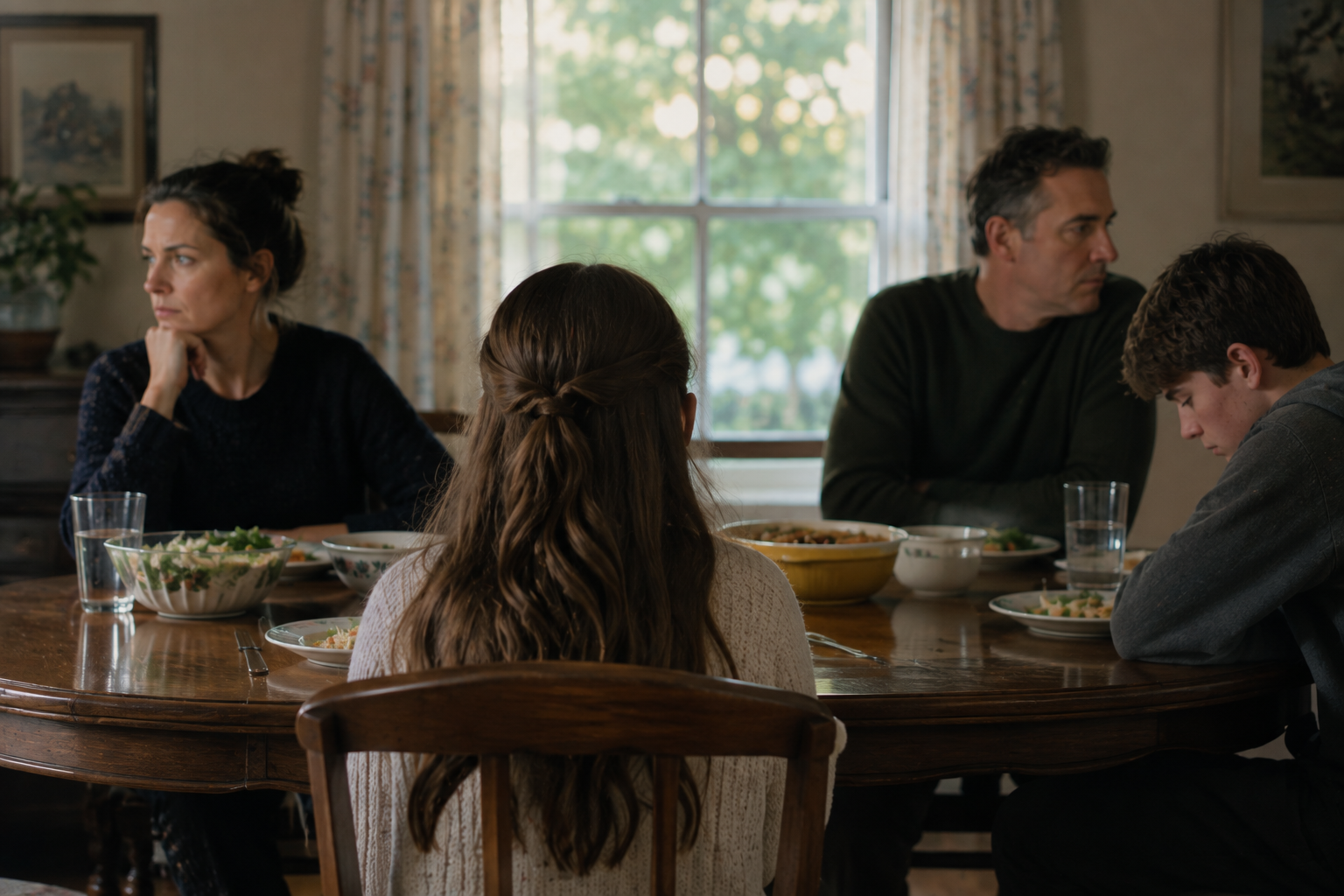
A fork pauses over mashed potatoes, someone asks for salt, and the quiet in the room feels louder than anything anyone has said.

This flash memoir prompt, silence at family meal everyone tried to ignore, invites you to return to a small moment where the real story sat between the words. You do not need to explain the entire family history. You only need to notice what the silence did to the room.

flash memoir prompt family meal

The Prompt

Write about the silence at a family meal that everyone pretended wasn’t there.

This prompt can open a powerful memory because family meals often carry more than food. They hold habits, old jokes, assigned seats, small tensions, and the careful ways people avoid certain truths.

A silence at the table may have lasted only a few seconds, but it may still live clearly in your mind. Maybe someone had just come home. Maybe someone was missing. Maybe a question had been asked that no one wanted to answer.

The point is not to accuse anyone or solve the past in one page. The point is to write the moment as you remember it, with enough detail that the reader can feel the room shift.

Why This Memory Matters

Silence can say a lot in memoir. It can show fear, grief, loyalty, anger, or love that has no easy language. At a family meal, silence becomes even more noticeable because meals are supposed to be ordinary. People pass bread, scrape plates, pour drinks, and pretend everything is fine.

That contrast is what makes this prompt useful. A normal setting can reveal an emotional truth. The wallpaper, the smell of dinner, or the sound of a chair can carry more weight than a long explanation.

This kind of memory may uncover a story about protection. Adults may have been trying to keep children from knowing too much. Or children may have known far more than anyone realized. It may also reveal a family rule, such as who was allowed to speak, who made jokes to break tension, or who always changed the subject.

If you want to think more deeply about how people act under pressure, you might find it helpful to read about how to analyze characters in literature. Memoir is not fiction, but paying attention to action, silence, and motive can help you write real people with care.

A flash memoir prompt silence at family meal everyone avoided can also help you write about what was unsaid without turning the piece into a lecture. The scene itself can do much of the work.

The Flash Memoirist
previous arrow
next arrow

How to Approach This Prompt

Begin with one physical detail from the table. Choose something small and concrete. It might be a napkin folded into a tight square, a glass sweating onto the wood, or a serving spoon left untouched in the casserole.

From there, stay inside one scene. Do not try to explain every argument, illness, divorce, secret, or disappointment behind the silence. Let the reader sit with you at that meal first.

Write what you noticed before you write what it meant. Maybe your brother chewed too loudly. Maybe your mother kept cutting food into smaller pieces. Maybe your grandfather stared at the TV in the next room, even though it was off.

After you have the scene on the page, you can add one short reflection. Ask yourself: What did I understand then? What do I understand now? The gap between those answers often becomes the heart of the memoir.

If you like to mark images, repeated words, or emotional shifts before drafting, this guide on how to annotate literature can also work as a simple tool for your own memories. You can underline sensory details in a rough draft and notice what keeps pulling your attention.

Keep the piece short. Flash memoir works best when it trusts one sharp moment. A meal can suggest a whole family story without naming every chapter.

A Quick Example

The roast was too dry, but nobody said so. My father sawed at it with the good knife, the one my mother only used when company came, though there was no company that night. My sister kicked my ankle under the table and looked toward the empty chair by the window. Grandma’s chair. Her blue sweater still hung on the back as if she had stepped away to answer the phone. My mother asked if anyone wanted more carrots. We all shook our heads. The clock over the stove clicked so loudly I thought it might fall. I was twelve, old enough to know she was gone, young enough to think saying her name might make everyone break.

Try It Yourself

Give yourself ten quiet minutes with this prompt. Picture the table first. Where were you sitting? Who was closest to you? What object do you remember most clearly?

Then write the silence as if it were a person in the room. Did it sit between two people? Did it press down on the plates? Did it make someone move faster or slower?

You do not have to make the memory neat. You can leave questions on the page. In fact, the best flash memoir pieces often leave room for the reader to feel what could not be said.

Use this flash memoir prompt silence at family meal everyone ignored as a way to practice honesty without forcing a conclusion. One scene, one table, one silence. That is enough to begin.

Want More Flash Memoir Prompts?

If this prompt helped you find a memory you had not written before, keep going. Explore all 365 prompts in The Memory Trigger: 365 Flash Memoir Writing Prompts.

The Memory Trigger


Flash Memoir Prompt: Specific Quality of Light in a Room You Spent a Lot of Time in as a Child

flash memoir prompt childhood room light

The slant of sun across a childhood carpet can carry more feeling than a full family story, and this flash memoir prompt about the specific quality of light in a room you spent time in invites you to begin there.

flash memoir prompt childhood room light

The Prompt

Write about the specific quality of light in a room you spent a lot of time in as a child.

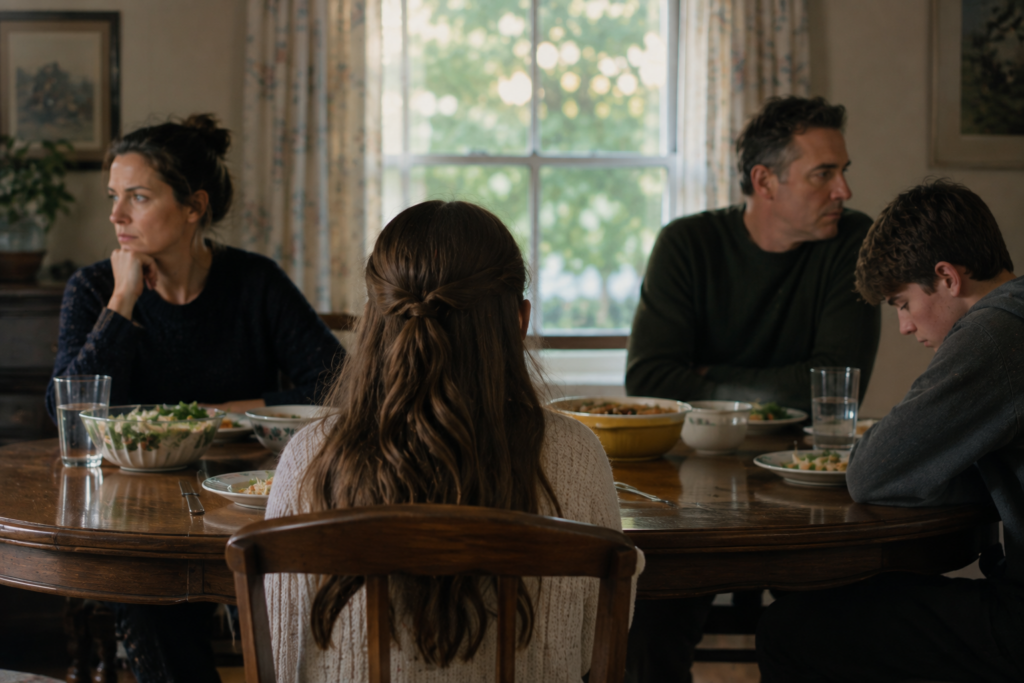
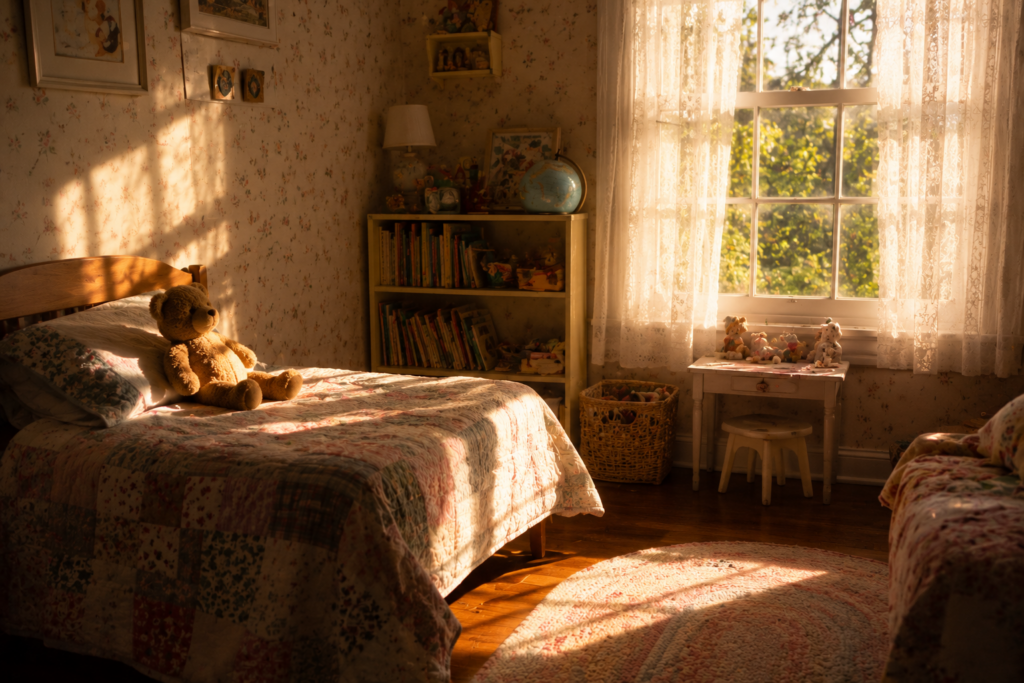
This prompt asks you to remember a room through light first. Maybe it was the yellow square that landed on your bed after school. Maybe it was the blue glow of a television in a basement. Maybe it was the thin gray light of early morning before anyone else was awake.

A flash memoir prompt specific quality light room spent in childhood may sound small at first, but light has a way of holding mood. It can make a room feel safe, lonely, secret, boring, holy, or strange. When you follow that light, you may find the memory waiting inside it.

Why This Memory Matters

Rooms from childhood often stay with us because they had a pattern. The same chair by the window. The same dust in the air. The same way the late afternoon made everything look tired or golden.

When you write about light, you are not just describing brightness. You are describing what it felt like to live inside that space. The room might have been your bedroom, a kitchen, a classroom, a grandparent’s den, or a corner of the library where you hid during lunch.

This kind of memory can uncover a quiet truth. You might remember waiting for someone to come home. You might remember feeling invisible. You might remember being safe for one hour each day while light moved across the wall.

Light can also become a symbol without you forcing it. A pale window, a flickering lamp, or a bright patch on the floor can carry meaning once you place it inside a scene. If you want to think more about how ordinary details gather meaning, you may enjoy this guide on how to find symbolism in a story.

How to Approach This Prompt

Begin with one physical detail. Do not start by explaining your whole childhood or giving a summary of the room. Start with the light itself.

Ask yourself: What color was it? Where did it enter? What did it touch first? Did it change during the day? Was it soft, dusty, sharp, dim, greenish, gold, or cold?

Then choose one scene. Maybe you are lying on the floor with a book. Maybe you are doing homework at the kitchen table. Maybe you are sitting in the room after an argument, watching the light fade because you do not know what else to do.

Write what you noticed before you explain what it meant. Let the reader see the room before you tell them how to feel about it. For example, “The curtains made the light look pink” is stronger than “My room felt comforting.” Once the image is clear, the feeling can rise on its own.

If you like to plan before you draft, try making a short note list first. Mark the objects in the room and what the light did to them. This is similar to the way readers mark important details in a text. For a simple method, see this guide on how to annotate literature, then use the same attention on your own memory.

Most of all, avoid trying to tell the whole story at once. A flash memoir works best when it trusts one small moment. Stay in the room. Stay with the light. Let one memory do the work.

The Flash Memoirist
previous arrow
next arrow

A Quick Example

Every afternoon, the west window turned my brother’s room orange. I was not supposed to be in there when he was gone, but I liked the way the light made his baseball trophies look important. Dust floated over his desk, slow and bright, like the room was underwater. I sat on the floor beside his laundry basket and read his old comic books, careful not to crease the covers. Downstairs, my mother talked on the phone in her quiet serious voice. I did not understand money then, or divorce, or why she kept saying, “We’ll figure it out.” I only knew that for twenty minutes, before the sun dropped behind the garage, my brother’s room felt warmer than anywhere else in the house.

Try It Yourself

Set a timer for ten minutes and write from the prompt without stopping. Stay close to the room. Name the window, the lamp, the wall, the floor, or the object the light touched.

You might begin with a sentence like, “The light in that room was always…” or “By late afternoon, the window made everything look…” If nothing comes right away, picture yourself standing in the doorway. Look around slowly. Let the light show you where to begin.

This flash memoir prompt specific quality light room spent in childhood is less about perfect description and more about honest attention. You do not need a dramatic event. You need one room, one quality of light, and one feeling you can finally name.

Want More Flash Memoir Prompts?

Explore all 365 prompts in The Memory Trigger: 365 Flash Memoir Writing Prompts. Each prompt gives you a focused way to enter memory through image, place, and emotional truth.

The Memory Trigger

Flash Memoir Prompt: Last Time You Believed Something About the World that Turned Out Not to Be True

memoir prompt false belief

A brief flash memoir prompt for the last time you believed something about the world, then felt that belief crack open in one small, honest moment.

memoir prompt false belief

The Prompt

Write about the last time you believed something about the world that turned out not to be true.

This flash memoir prompt last time believed something world invites you to remember a moment when your understanding shifted. It might have been a big belief, like thinking adults always knew what they were doing. It might have been smaller, like believing a friendship would never change, a place would always stay the same, or hard work always led to a fair result.

The power of this prompt is in the turn. At first, you thought the world worked one way. Then something happened. A sentence, a silence, a closed door, a news story, a look on someone’s face. Suddenly, the old idea did not fit anymore.

Why This Memory Matters

Some memories stay with us because they changed what we knew. Others stay because they changed what we trusted.

This prompt may lead you to a story about innocence, disappointment, surprise, or even relief. Maybe you once believed everyone was watching you, then realized most people were busy worrying about themselves. Maybe you believed your parents were fearless, then saw one of them cry in the car. Maybe you believed success had a clear path, then watched someone kind and talented struggle anyway.

A memory like this does not need to end with a grand lesson. In fact, it may work better if it stays close to the scene. Memoir often becomes stronger when it lets the reader feel the moment before explaining it. If you want to practice seeing deeper meaning in a small moment, you might enjoy learning more about how to identify theme in literature, since memoir and literature both grow from patterns, choices, and change.

The belief you lost might have made life easier for a while. It might have protected you. It might have made a person or place seem simple. Writing about the moment that belief changed can help you explore the strange mix of grief and growth that comes with seeing the world more clearly.

The Flash Memoirist
previous arrow
next arrow

How to Approach This Prompt

Begin with the moment before you understood. Do not start by explaining the belief in a broad way. Start with what you saw, heard, touched, or smelled.

For example, instead of writing, “I used to think adults always had answers,” you might begin with the sound of your mother’s keys dropping into a glass bowl, or your teacher staring at the chalkboard for too long, or your father sitting at the kitchen table with a stack of bills.

Narrow the memory to one scene. This is especially important for a flash memoir prompt last time believed something world, because the subject can become huge very quickly. You are not writing the history of your entire worldview. You are writing one moment when the old belief stopped working.

Try this simple path:

First, show what you believed. Then show the scene that challenged it. Then end with the feeling that remained afterward.

You can also jot notes in the margin before you draft. What did you notice first? What confused you? What did you understand only later? If that kind of close attention helps you think, these tips on how to annotate literature may also help you mark up your own memories before you shape them into a short piece.

Keep your language plain. A sentence like “I watched the smile leave his face” may carry more weight than a long explanation about disillusionment. Let the reader stand beside you in the room.

A Quick Example

I was twelve when I learned that nice houses could be sad. My best friend lived in a blue two-story house with white shutters, the kind I thought meant everything inside was calm. That afternoon, we were making microwave popcorn when her parents started arguing upstairs. Not TV arguing. Real arguing, with one voice low and one voice sharp. She turned the microwave fan on high and kept her eyes on the spinning bag. I pretended to read the popcorn box. Butter smell filled the kitchen, thick and fake. When the timer beeped, neither of us moved. I had believed some homes were safe because they looked safe from the street. After that, every lit window looked more private to me.

Try It Yourself

Set a timer for ten minutes and write the scene as simply as you can. Use the prompt exactly: Write about the last time you believed something about the world that turned out not to be true.

If you get stuck, finish this sentence: “Before that day, I thought…” Then move straight into a physical detail. A hand on a doorknob. A phone face down on the table. A hallway that felt too quiet.

Do not worry about making the memory sound wise. The wisdom can stay hidden in the details. Your job is to notice the shift, then follow it honestly.

Want More Flash Memoir Prompts?

If this flash memoir prompt last time believed something world helped you uncover a charged memory, keep going. Small moments often open the largest doors. Explore all 365 prompts in The Memory Trigger: 365 Flash Memoir Writing Prompts.

The Memory Trigger

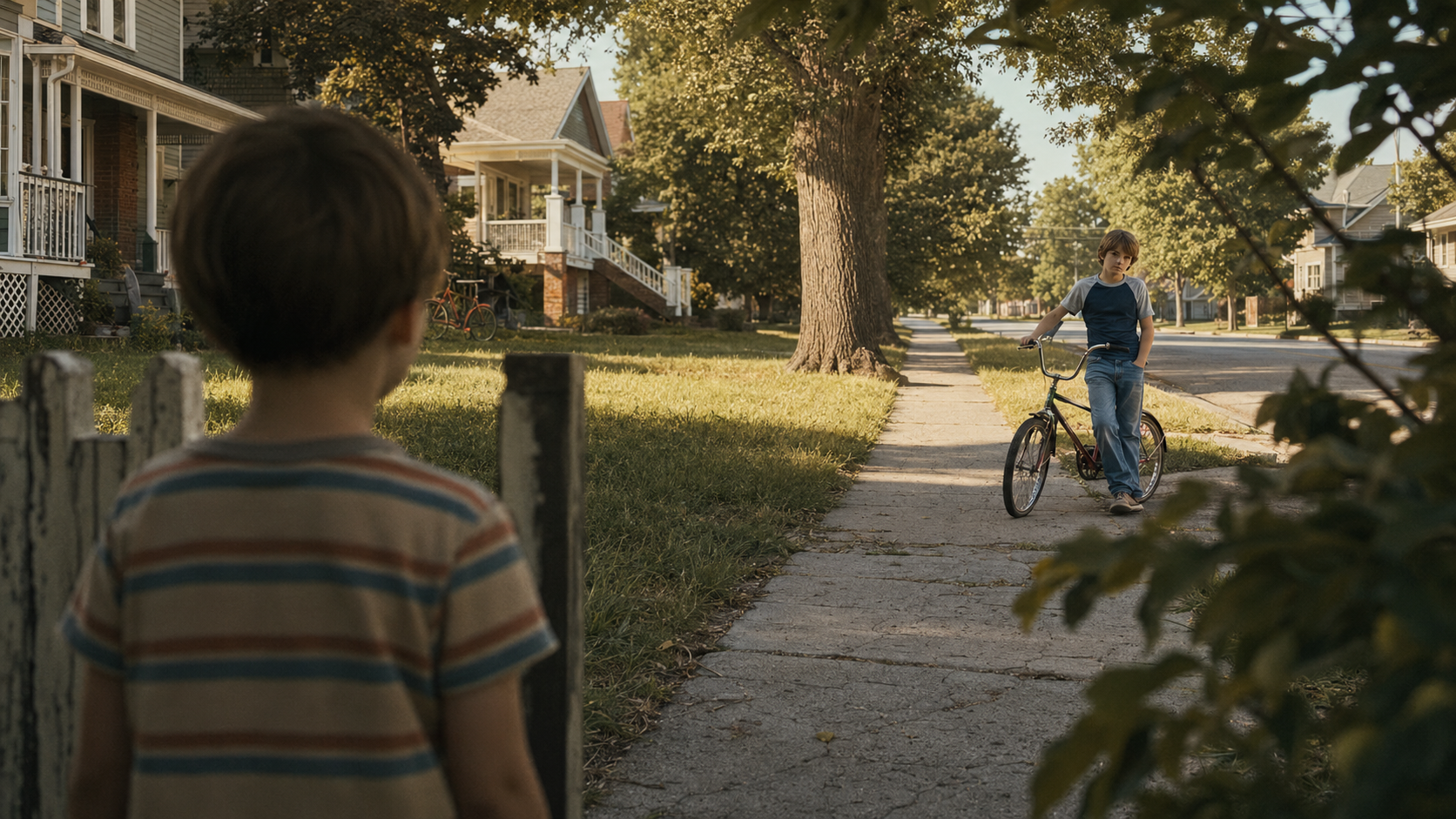
Flash Memoir Prompt: Child in Your Neighborhood Who Scared You a Little

flash memoir prompt child

A child who scared you a little can stay in your memory for strange reasons: the way they stared too long, dared people to do risky things, or seemed to know rules you had not learned yet. This flash memoir prompt about a child in your neighborhood who scared you a little invites you to return to one small moment and notice what fear felt like before you had words for it.

Maybe the child was older and loud. Maybe they were younger but unpredictable. Maybe they lived on the corner, rode a bike too fast, threw rocks at signs, or told stories that made your stomach tighten. Childhood fear was often confusing because it mixed with curiosity. You might have wanted to avoid that child and impress them at the same time.

flash memoir prompt child

The Prompt

Write about the child in your neighborhood who scared you a little.

This prompt works because it does not ask for a whole childhood history. It asks for one person and one feeling. That focus can open a memory you have not visited in years.

A flash memoir prompt child neighborhood who scared little may sound simple, but it can reveal a lot about power, friendship, class, family rules, and the invisible borders children create. The scary child may not have been truly dangerous. Or maybe they were. What matters is that your younger self felt something sharp around them.

Why This Memory Matters

Neighborhoods have social maps that adults often miss. Children know which yard to cross, which porch to avoid, which alley feels safe, and which house makes everyone lower their voice.

The child who scared you a little may have stood at the edge of that map. They may have represented risk. They may have had more freedom than you did, less supervision, a rougher home life, or a talent for making other kids feel small.

This kind of memory can uncover the first time you noticed fear as a social feeling. You were not afraid of a monster under the bed. You were afraid of another person your own size, or close to it. That can be unsettling to write about.

It can also be revealing. Maybe you now understand that the child was lonely, neglected, or acting tough to survive. Maybe you still feel the old fear in your body, even if your adult mind has softened toward them. Memoir gives you room for both truths.

Try not to rush toward a lesson. Let the memory be strange if it was strange. Let the child remain partly unknown. A good flash memoir does not need to solve every question. It only needs to make the moment feel alive again.

How to Approach This Prompt

Begin with one physical detail. Do not start with an explanation like, “He was the scary kid on our block.” Start with the thing your younger self noticed first.

Maybe it was a scabbed knee, a buzz cut, a chipped front tooth, a pocketknife, a laugh that came out too loud, or a bike with no brakes. One detail can bring the whole memory back.

Then narrow the scene. Choose one afternoon, one walk home, one game in the street, or one moment when that child appeared and changed the air. Avoid trying to tell everything they ever did. Flash memoir works best when it stays close to one scene.

Write what you noticed before you explain what it meant. If the child stood under the streetlight and watched you, describe that first. If they dared you to climb a fence, show the fence, your hands, and the sound of their voice. Meaning can arrive later.

You might also pay attention to setting. Childhood fear often attaches itself to places. A cracked sidewalk, a weedy lot, a chain-link fence, or a corner store can carry emotional weight. If you want to explore how objects and places can hold meaning, you may enjoy this guide on how to find symbolism in a story.

As you write, stay fair to your younger self and to the child you remember. You do not have to make anyone a villain. You also do not have to excuse what frightened you. Your job is to tell the truth of the scene as honestly as you can.

The Flash Memoirist
previous arrow
next arrow

A Quick Example

Marcus lived two houses down and always had something in his hand: a stick, a rock, a broken yellow Wiffle ball bat. He was only a year older than me, but he seemed grown in a way I did not understand. One July afternoon, I was drawing hopscotch squares in the driveway when he rolled up on his bike and stopped without putting a foot down. “You missed a number,” he said. I looked at the chalk and saw that he was right. I had skipped seven. He smiled like he had caught me stealing. Then he rode through the squares, smearing them with his front tire. I remember feeling hot behind my ears, too scared to yell, too proud to cry until I got inside.

Try It Yourself

Set a timer for ten minutes and write one scene about the child in your neighborhood who scared you a little. Stay close to the moment. Let your younger self lead.

If you get stuck, answer a few simple questions on the page. Where were you? What did the child look like that day? What did they say or do? What did your body feel before you fully understood why?

You can revise later. For now, aim for honesty over polish. A flash memoir prompt child neighborhood who scared little can become powerful because it catches a feeling before it turns neat. The memory may be awkward, funny, bitter, or surprisingly tender.

When you finish, read it once and mark the sentence that feels most alive. If you like that kind of close attention, this guide on how to annotate literature can also help you notice patterns in your own writing.

Want More Flash Memoir Prompts?

If this prompt brought back a face, a street, or a feeling you had forgotten, keep going. Small memories often lead to the clearest writing. Explore all 365 prompts in The Memory Trigger: 365 Flash Memoir Writing Prompts.

The Memory Trigger

Flash Memoir Prompt: Childhood Chore that You Hated and Can Now Barely Remember the Details

flash memoir prompt chores

The hated chore may have faded, but the feeling remains: the bucket handle cutting into your fingers, the sigh you tried to hide, the slow clock of a Saturday you thought would never belong to you. This flash memoir prompt, childhood chore hated can now barely remember, invites you to chase that half-gone memory and see what emotion is still sitting inside it.

flash memoir prompt chores

The Prompt

Write about a childhood chore that you hated and can now barely remember the details of.

This prompt works because memory is often uneven. You may not remember the exact day, the season, or how many times you had to do the chore. But you might remember the smell of dishwater, the scrape of a rake, or the way your parent said your name when you tried to disappear.

A flash memoir does not need the whole history of your childhood responsibilities. It needs one moment that feels alive. This flash memoir prompt childhood chore hated can now be fuzzy on purpose. The missing parts are part of the story.

Why This Memory Matters

Childhood chores were rarely just about the chore. They could be about fairness, power, boredom, pride, money, family rules, or wanting to be somewhere else.

Maybe you hated folding towels because your sibling got the easier job. Maybe you had to weed a garden while your friends rode bikes past the house. Maybe washing dishes made you feel trapped in the kitchen while adults talked in the next room.

Now, years later, you may barely remember what brand of soap you used or how long the job took. Still, the emotional shape may remain. You knew what it felt like to be small and annoyed. You knew how long ten minutes could feel when you were not the one in charge.

This kind of memory can reveal how your younger self understood work. Did you connect chores with punishment? Did you feel useful? Did you feel unseen? A small task can open a larger question without turning the piece into a long explanation.

For students practicing close observation, this is also a gentle way to build the same skill used in reading. When you notice one object, one tone of voice, or one repeated image, you are doing the kind of careful thinking found in how to annotate literature, only the text is your own life.

The Flash Memoirist
previous arrow
next arrow

How to Approach This Prompt

Begin with your body, not your opinion. Before you write “I hated mowing the lawn” or “I hated cleaning the bathroom,” write the physical detail that proves it.

What did your hands touch? What did the chore smell like? What sound made you want to quit before you even started?

You might begin with the broom bristles bent to one side, a sponge gone gray, a pile of socks that never seemed to match, or the damp knees of your jeans after scrubbing a floor. Let the object pull you into the scene.

Then narrow the memory. Do not try to write every time you did this chore. Choose one afternoon, one kitchen, one patch of yard, one sink full of dishes.

If the details are missing, say so. “I don’t remember whether it was summer or fall” can be a strong memoir sentence. It tells the reader that the memory is honest. You are not inventing a perfect movie. You are following what remains.

Try writing what you noticed before you explain what it meant. Let the reader stand beside you for a moment. Let them see the chore through your younger eyes. Meaning can arrive later, quietly.

If you want to shape the piece after drafting, look at one short paragraph and ask what it is really about. Is it about laziness, or is it about wanting freedom? Is it about a chore, or is it about being trusted with work too early? For more practice with shaping ideas from evidence, these literary analysis essay examples can help you see how small details support a larger point.

A Quick Example

I hated emptying the dishwasher, though I can’t remember if it was actually hard. I remember the bottom rack rolling crooked, one wheel always jumping the track. I remember the steam smell when I opened it too soon and the little pools of water sitting on the bottoms of upside-down mugs. My job was to put everything away before dinner, but I would drag it out, carrying two forks at a time like I had been assigned some great injustice. My mother would say, “It takes longer to complain than to do it,” which made me complain silently instead. I don’t remember the plates we owned. I remember the cupboard door sticking and the feeling that everyone else in the house was free.

Try It Yourself

Set a timer for ten minutes and write one scene from the chore. Stay close to the object in front of you. A broom. A laundry basket. A wet rag. A trash can at the end of a driveway.

If the memory breaks apart, keep going. Write the fragments. “I remember the basement stairs.” “I remember dust.” “I remember being mad before anyone asked me to start.” Those pieces may be enough.

This flash memoir prompt childhood chore hated can now barely remember is less about proving what happened and more about catching the emotional truth. Let the chore be small. Let the feeling be clear.

Want More Flash Memoir Prompts?

If you enjoyed this kind of small, focused memory work, explore all 365 prompts in The Memory Trigger: 365 Flash Memoir Writing Prompts. Each prompt is designed to help you enter one moment, notice what remains, and turn it into a short piece of memoir.
The Memory Trigger

Flash Memoir Prompt: Moment a Holiday Stopped Feeling Magical

flash memoir prompt holiday

A flash memoir prompt about the quiet moment a holiday stopped feeling magical, and what that change taught you about growing up, noticing more, or seeing the people around you differently.

The room may have looked the same as always. Same lights. Same food. Same songs playing too early in the morning. But something inside you had shifted. Maybe you noticed the tired look on a parent’s face. Maybe you learned who really bought the gifts. Maybe the family joke stopped feeling funny. The holiday was still happening, but the spell had cracked.

Today’s flash memoir prompt, moment holiday stopped feeling magical, asks you to write about that small break in wonder. It does not have to be dramatic. Often, the most powerful memory is the one where nothing huge happens on the outside, but everything feels different afterward.

flash memoir prompt holiday

The Prompt

Write about the moment a holiday stopped feeling magical.

This prompt can unlock a meaningful memory because holidays often carry more emotion than an ordinary day. We expect them to feel bright, safe, generous, or full of tradition. When they do not, we remember the gap between what we hoped for and what actually happened.

You might write about a winter holiday, a birthday, Halloween, Thanksgiving, Eid, Diwali, Easter, Lunar New Year, or any day your family treated as special. The holiday itself is less important than the moment your understanding changed.

For a student writer, this is also a useful way to practice close attention. If you want help noticing small details in a text or memory, you might enjoy this guide on what close reading means in literature. Memoir often works the same way. You look closely at one moment until it begins to reveal more.

Why This Memory Matters

A holiday can lose its magic for many reasons. You may have grown old enough to understand money, grief, stress, divorce, illness, or family tension. You may have realized an adult was pretending to be cheerful. You may have seen that a tradition was being kept alive by one exhausted person.

This kind of memory matters because it often marks a turning point. It is a before-and-after moment. Before, you may have believed the day simply happened. After, you may have understood that people worked to create it. Or you may have learned that joy and sadness can sit at the same table.

The story does not need a neat lesson. In fact, it may feel more honest if you resist wrapping it up too quickly. The goal is not to prove that growing up is sad or that holidays are fake. The goal is to show the exact moment when your view changed.

Maybe the magic did not vanish all at once. Maybe it faded when you saw the wrapping paper hidden in the closet. Maybe it changed when your grandfather’s chair sat empty. Maybe it ended when someone argued in the kitchen while the candles burned low in the dining room.

Whatever the memory is, let it stay human. A flash memoir prompt moment holiday stopped feeling magical can hold disappointment, tenderness, humor, or confusion. You do not need to pick one emotion before you write.

The Flash Memoirist
previous arrow
next arrow

How to Approach This Prompt

Begin with one physical detail. Choose something small enough to touch, smell, hear, or see. A melted candle. A grocery receipt. A half-deflated balloon. A plastic tablecloth. A plate left untouched.

Then place yourself back inside one scene. Try not to explain the whole holiday from morning to night. Choose the moment when the feeling changed. If you are writing about Christmas, for example, you do not need to describe every gift. You might focus on the second you saw your mother asleep on the couch before the guests arrived.

Write what you noticed before you explain what it meant. This helps the reader feel the shift with you. Instead of starting with, “That was the year I realized holidays were stressful,” start with the red marks on your father’s hands from carrying boxes, or the way your aunt kept checking the oven like it had personally betrayed her.

If you are working from memory, you can also annotate your own scene. Jot down the objects, sounds, and expressions that stand out. Readers who practice how to annotate literature often learn to notice patterns and emotional clues. You can use the same skill with your own life.

Keep the piece short. Flash memoir works best when it trusts one moment to carry the weight. You can always write the larger story later. For now, let the memory stay focused and sharp.

A Quick Example

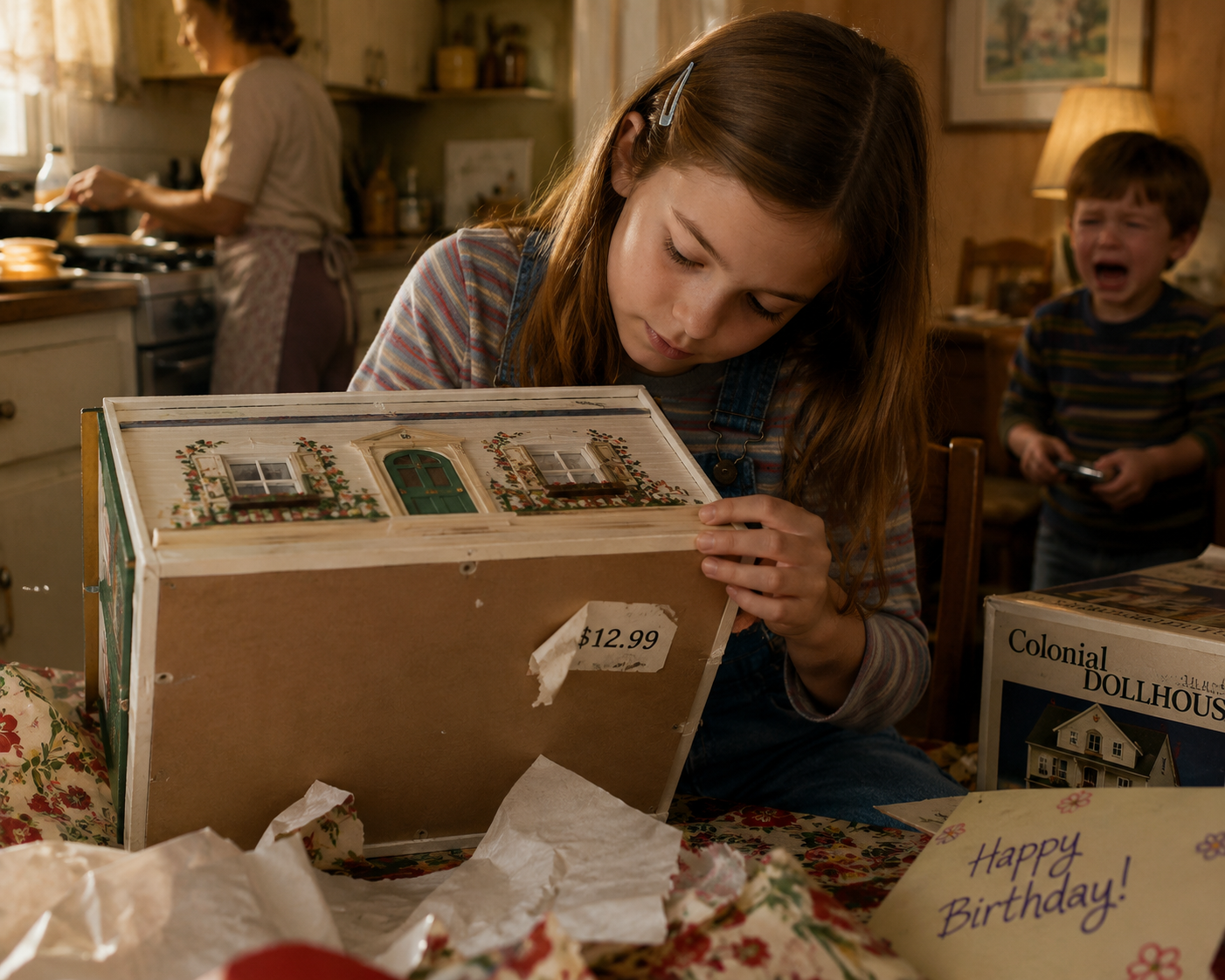
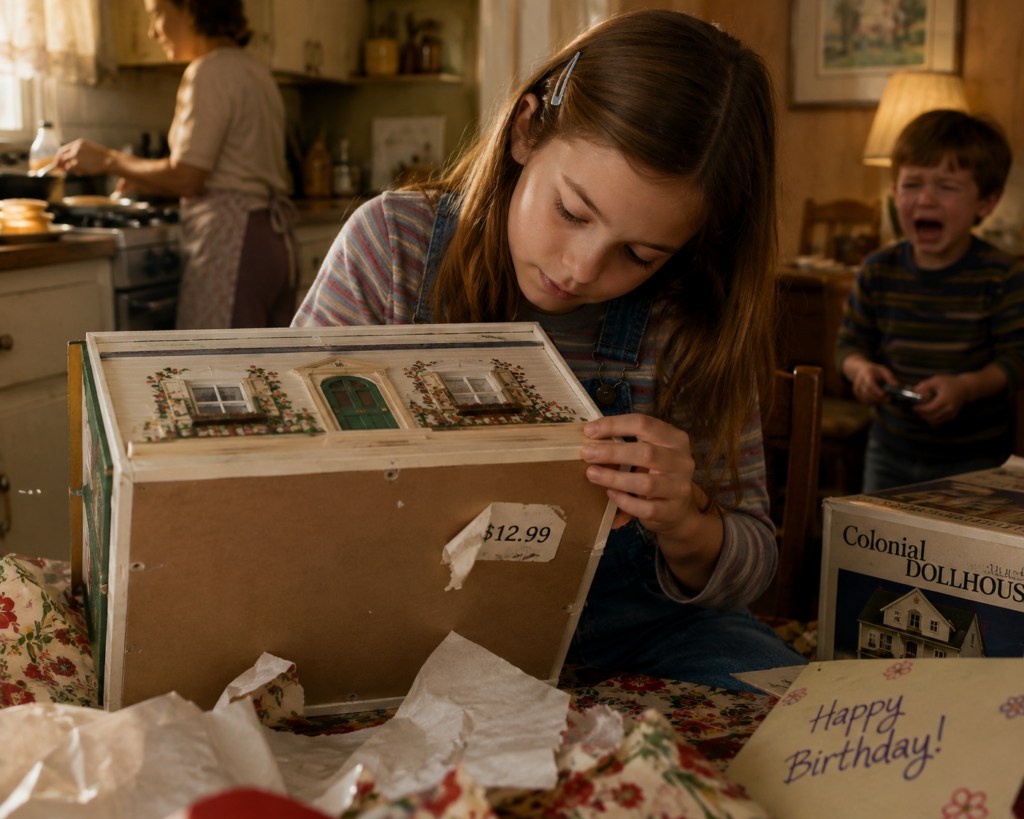
I was nine when I saw the price tag. It was stuck to the bottom of the dollhouse, folded under one corner where the sticker had not peeled off cleanly. My mom was in the kitchen making pancakes shaped like uneven circles, and my little brother was yelling because his batteries were missing. I turned the dollhouse over to look at the tiny painted door, and there it was: $12.99 in black ink. I remember feeling foolish first, then strangely protective. I did not tell my brother. I did not ask my mom. I just set the dollhouse upright again and said thank you louder than I meant to. The room still smelled like syrup, but the magic had moved somewhere else.

Try It Yourself

Set a timer for ten minutes and write the scene without stopping. Start with an object from the holiday. Let that object lead you into the room, the people, and the feeling you had when the day changed.

If you get stuck, ask yourself one simple question: What did I understand afterward that I did not understand before?

You do not have to make the memory sound wise. You only have to make it specific. Show the lights still blinking, the food still warm, the music still playing, and the quiet realization that something no longer felt the same.

This flash memoir prompt moment holiday stopped feeling magical is especially strong because many readers know that feeling. They may not have lived your exact memory, but they understand the ache of seeing behind the curtain.

Want More Flash Memoir Prompts?

If this prompt opened a memory you want to keep exploring, give yourself more small doors into the past. Explore all 365 prompts in The Memory Trigger: 365 Flash Memoir Writing Prompts.
The Memory Trigger

Flash Memoir Prompt: Place Outside Your Home Where You Felt Most Like Yourself as a Child

flash memoir prompt outside

A warm, specific flash memoir prompt place outside home where felt most like yourself can lead you back to a library corner, ball field, creek bank, classroom, porch step, or any childhood place where you could breathe a little easier and be fully yourself.

Maybe you were the kid who became quiet at the public library because the shelves made silence feel safe. Maybe you were loud only on the playground, where your feet knew what to do before your mouth did. Maybe there was a path behind a neighbor’s garage, a church basement, a grandparent’s garden, or a corner store where you felt oddly seen.

This prompt asks you to look beyond your childhood bedroom or kitchen table and notice the place that seemed to understand you. The memory does not have to be dramatic. In fact, the smallest places often carry the most truth.

flash memoir prompt outside

The Prompt

Write about a place outside your home where you felt most like yourself as a child.

This flash memoir prompt place outside home where felt most true can unlock a memory because places hold more than scenery. They hold habits, sounds, permissions, and secret versions of who we were. A certain sidewalk or swing set may remind you of the child who felt brave, funny, peaceful, curious, or free.

When you write from place, you do not have to explain your whole childhood. You can begin with one bench, one doorway, one patch of grass, or one smell. Let the place do some of the storytelling for you.

Why This Memory Matters

Children often learn who they are by noticing where they relax. A place outside your home may have given you something you could not name at the time. Space. Attention. Distance. Adventure. A way to test out a hidden part of yourself.

That is why this prompt can uncover more than a description of a location. It may reveal what you needed as a child. It may show where you felt less watched, less corrected, or less alone. It may also show where you practiced becoming the person you would later recognize.

For one writer, the place might be a school art room that smelled like tempera paint and wet paper towels. For another, it might be the outfield during Little League, where nothing was expected except standing under the sky. Someone else might remember a bus stop where they shared jokes with a friend before the day became complicated.

Place can also work like a symbol. The creek is not just a creek if it gave you courage. The library is not just a library if it taught you that quiet could be powerful. If you enjoy thinking about how objects and places carry extra meaning, this guide on how to find symbolism in a story can help you notice those layers in your own memories too.

The Flash Memoirist
previous arrow
next arrow

How to Approach This Prompt

Start with one physical detail. Do not begin by explaining why the place mattered. Begin with the chain-link fence, the dust on the baseball diamond, the cold metal of the library door handle, or the smell of chlorine at the city pool.

Then narrow the memory to one scene. Choose one afternoon, one visit, one walk, or one moment when you felt especially yourself there. This keeps the piece sharp and gives the reader something to stand inside.

You might ask yourself: Where was I sitting or standing? Who was nearby? What did I notice before I understood what it meant? What could I do in that place that I could not do somewhere else?

Try to write the scene before naming the feeling. Instead of starting with “I felt free,” show the child version of you running ahead, taking off your shoes, speaking louder than usual, or staying quiet without fear. Let the emotion rise from the action.

A strong flash memoir does not need a full life lesson. It needs a focused memory and one emotional turn. You can end with what you understand now, but keep that ending brief. Trust the image you have built.

A Quick Example

The back corner of the town library had two beanbag chairs, both flattened in the middle like old pancakes. I always chose the blue one because it faced the mystery shelf and the window. On Saturdays, my mother left me there while she looked for cookbooks. I liked the way nobody asked me to smile or answer quickly. The librarian’s cart squeaked past, and the heater clicked under the window. I would read the same paragraph three times if I wanted. I would press my finger to a word I did not know and feel no shame. At home, I was the youngest and always catching up. In that corner, with my knees tucked under my chin, I felt older than I was. I felt private. I felt like the quiet in me finally had a room.

Try It Yourself

Set a timer for ten minutes and write about one place outside your home where you felt most like yourself as a child. Keep the memory small. One path. One table. One patch of shade. One moment you can still see.

If you get stuck, write this sentence and keep going: “I felt most like myself there because nobody expected me to…” You can change the sentence later. For now, let it open the door.

As you draft, return to the senses. What did the air feel like? What did the place sound like before anyone spoke? What object did your child-self touch, carry, climb, kick, or hide behind? Those details can lead you closer to the emotional truth than a neat explanation will.

This flash memoir prompt place outside home where felt most yourself is especially useful when you want to write gently but still reach something real. You do not have to force the memory to become profound. Just show us the place and the child who belonged there.

Want More Flash Memoir Prompts?

If this prompt brought back a place you had not thought about in years, keep following that trail. Childhood memories often return through doors, sidewalks, rooms, fields, and corners we once knew by heart. Explore all 365 prompts in The Memory Trigger: 365 Flash Memoir Writing Prompts.
The Memory Trigger

Flash Memoir Prompt: Moment when You Were Given More Freedom Than You Expected

flash memoir prompt freedom

A brief writing invitation for remembering the day someone loosened the rules, handed you room to choose, and let you discover what freedom felt like in your own body.

Maybe it was the first time your parents let you walk home alone. Maybe a teacher said, “Choose your own topic,” and meant it. Maybe a boss trusted you with a decision before you felt ready. That sudden space can feel exciting, but it can also feel strange, like standing in a room where the walls have quietly moved back.

This flash memoir prompt moment given more freedom than you expected asks you to return to one small scene when someone trusted you, stepped aside, or stopped controlling the outcome.

flash memoir prompt freedom

The Prompt

Write about a moment when you were given more freedom than you expected.

This prompt can unlock a memory that still carries energy. Freedom is not always loud. Sometimes it arrives as a key, a later curfew, a blank page, a new job, a borrowed car, or a simple sentence: “You decide.”

What makes this kind of memory powerful is the mix of feelings. You may have felt proud and scared at the same time. You may have wanted the freedom, then felt the weight of it once it was yours.

Why This Memory Matters

Unexpected freedom often marks a change in how others see us. Someone realizes we are older, stronger, smarter, or more capable than before. Sometimes we realize it at the same moment.

A memory like this may uncover a turning point. It could show the first time you were trusted with responsibility. It could reveal the first time you noticed the difference between permission and independence.

It may also show something quieter. Maybe the freedom was too much. Maybe you made a mistake. Maybe you missed the old rules even while you celebrated their absence. That tension is good material for memoir.

When you write this scene, try not to force a neat lesson onto it. Let the memory stay human. The truth may be simple: you were given space, and you had to decide what kind of person you would be inside it.

The Flash Memoirist
previous arrow
next arrow

How to Approach This Prompt

Begin with the moment the freedom was given. Do not start with your whole childhood, your family history, or every rule you ever lived under. Start with one scene.

What did the person say? Where were you standing? What object made the freedom feel real? A set of keys, a permission slip, a bus pass, a bedroom door, or a computer login can pull the reader into the memory faster than explanation.

Write what you noticed before you explain what it meant. If your mother handed you the car keys, describe the weight of them in your palm. If your teacher let you choose your own book, describe the shelves, the quiet room, or the title you reached for first.

This is also a good time to pay attention the way you would when you practice close reading in literature. Look carefully at the small details in your own life. A pause, a glance, or a nervous joke can reveal more than a long summary.

If you feel stuck, write one sentence that begins with, “I thought they were going to say no, but…” Then keep going. That sentence naturally creates movement, since it shows the gap between what you expected and what happened.

You can also mark up your draft later, almost like you would annotate a passage. Circle the strongest image. Underline the sentence where your feelings shift. Then revise around that moment.

A Quick Example

My dad tossed me the grocery list and said, “You drive.” I thought he meant around the block, maybe to the stop sign and back. But he climbed into the passenger seat and buckled himself in like this was normal. The keys felt sharp in my hand. I adjusted the mirror three times, though it was already fine. At the first red light, he did not remind me to brake. He just looked out the window at the gas station sign. I remember feeling taller than I was, and also like a little kid pretending. When we got home, the milk had tipped over in the trunk. He laughed before I could apologize. That laugh made the freedom feel real.

Try It Yourself

Set a timer for ten minutes and write the scene without stopping. Stay close to the moment when the freedom was offered. Let the memory unfold through action, sound, and body language.

You do not need to explain your entire relationship with the person who gave you that freedom. You only need to show enough for the reader to feel the surprise of it.

If the memory feels small, trust it anyway. A small freedom can carry a large meaning. The first walk alone, the first choice, the first time no one corrected you can become a clear and moving flash memoir.

Use this flash memoir prompt moment given more freedom than you expected as a way to ask: What did I do with that space? Did I step into it, test it, fear it, waste it, or grow into it slowly?

Want More Flash Memoir Prompts?

If you enjoyed this prompt, keep building your practice one focused memory at a time. Explore all 365 prompts in The Memory Trigger: 365 Flash Memoir Writing Prompts.
The Memory Trigger

Flash Memoir Prompt: Feeling of Being in the Backseat of a Car on a Long Drive as a Child

memoir prompt long drive

A warm, specific flash memoir prompt for remembering the backseat of a car on a long childhood drive, where boredom, safety, motion, and longing often shared the same window.

Maybe you remember the seat belt rubbing your neck, the hum of tires on pavement, or the strange feeling of watching the world pass while someone else decided where you were going. This flash memoir prompt feeling being backseat car long drive invites you to return to one small scene from childhood, before you had the words for everything you felt.

Long drives can hold more memory than we expect. A child in the backseat may feel trapped, cozy, ignored, free, sleepy, carsick, or full of questions. Sometimes the story is not about the destination at all. It is about what you noticed from the window.

memoir prompt long drive

The Prompt

Write about the feeling of being in the backseat of a car on a long drive as a child.

This prompt works because it places you inside a clear physical space. You are not trying to cover your whole childhood. You are returning to one car, one road, one stretch of time. That small frame can help you find a memory with real emotional weight.

You might remember a family vacation, a move to a new town, a drive to visit relatives, or a quiet ride home after something changed. The backseat is a powerful point of view because a child often sees and hears more than adults realize.

Why This Memory Matters

Being a child in the backseat can mean many things at once. You may have felt protected by the adults in the front seats. You may have felt powerless because you had no control over the route, the radio, or the stops. You may have watched your parents talk in low voices and tried to guess what was wrong.

The backseat can also be a place of imagination. Fence posts become a rhythm. Clouds become animals. Passing houses make you wonder who lives there. If you had siblings beside you, the memory may include elbow fights, shared snacks, or the strict invisible line down the middle of the seat.

This kind of memory has built-in contrast. The car moves forward, but the child is still. The world changes outside, but the child is buckled in. That tension can reveal a deeper story about family, trust, fear, or belonging.

If your memory includes an object that carries meaning, like a cracked vinyl seat or a plastic toy on the floor, you might explore it as a symbol. For more practice with that skill, this guide on how to find symbolism in a story can help you notice how ordinary details can hold emotional meaning.

The Flash Memoirist
previous arrow
next arrow

How to Approach This Prompt

Begin with a physical detail. Do not start by explaining the whole trip. Start with what your body remembers.

Maybe your bare legs stuck to the seat. Maybe the window was cold against your forehead. Maybe the car smelled like gum, gasoline, fast food, or your father’s coffee. A strong sensory detail can pull the memory open without forcing it.

Choose one scene. You do not need to write about the full vacation or every mile of the drive. Pick one moment in the car. It could be the hour when everyone fell silent. It could be the moment you woke up in the dark and saw your parent’s face lit by the dashboard.

Write what you noticed before you explain what it meant. As a child, you may not have understood the adult conversation in the front seat. You may not have known why the drive felt sad or exciting. Let the child’s view lead the piece.

For example, instead of writing, “We were poor, and the trip was stressful,” you might write, “My mother counted coins at the gas station while my brother and I pretended not to watch.” That kind of detail lets the reader feel the truth with you.

If you like to mark up your own draft as you revise, try reading it like a short piece of literature. Circle the strongest sensory details, underline the emotional shift, and cross out anything that explains too much. You can also use ideas from this student-friendly guide on how to annotate literature to study your own writing more closely.

A Quick Example

I sat behind my mother on the way to my grandmother’s house, my knees pressed into the pouch on the back of her seat. The car smelled like oranges because she had peeled one with her thumb and passed the sections back to me without turning around. My father kept both hands on the wheel. Nobody talked much after we left the highway. I watched the telephone poles dip and rise, dip and rise, like they were nodding to something I did not know yet. When we stopped for gas, my mother stayed in the car. She looked at me in the rearview mirror and smiled, but it was the kind of smile adults use when they are trying to keep a room from breaking.

Try It Yourself

Set a timer for ten minutes and write from the backseat. Stay inside the car for the whole piece. Let the road, the window, the radio, and the people in the front seats do some of the work.

You can use this flash memoir prompt feeling being backseat car long drive to explore a memory that feels simple at first. Do not worry if the meaning shows up late. Often, the strongest part of a flash memoir comes after you describe the ordinary details closely enough.

If you get stuck, answer one question: what could you see from the backseat that the adults did not know you were seeing? That question may lead you to the real heart of the scene.

Want More Flash Memoir Prompts?

If you enjoyed this flash memoir prompt feeling being backseat car long drive, you may like having a full year of small, focused invitations to keep your memory moving. Explore all 365 prompts in The Memory Trigger: 365 Flash Memoir Writing Prompts.

The Memory Trigger
error

Enjoy this article? Please spread the word :)

Follow by Email
BLUESKY
fb-share-icon
Reddit
LinkedIn
Share
RSS