

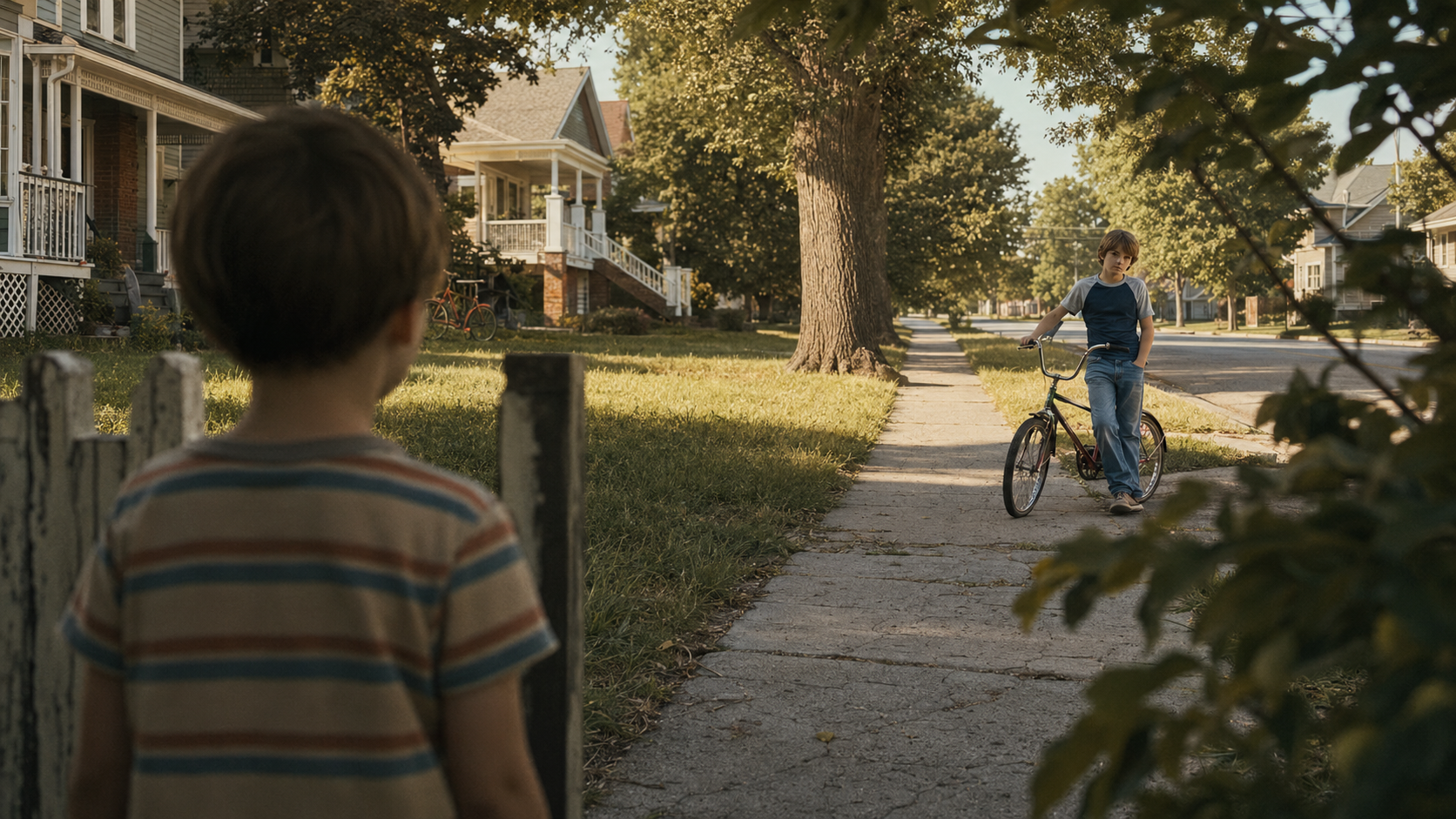
A child who scared you a little can stay in your memory for strange reasons: the way they stared too long, dared people to do risky things, or seemed to know rules you had not learned yet. This flash memoir prompt about a child in your neighborhood who scared you a little invites you to return to one small moment and notice what fear felt like before you had words for it.
Maybe the child was older and loud. Maybe they were younger but unpredictable. Maybe they lived on the corner, rode a bike too fast, threw rocks at signs, or told stories that made your stomach tighten. Childhood fear was often confusing because it mixed with curiosity. You might have wanted to avoid that child and impress them at the same time.
The Prompt
Write about the child in your neighborhood who scared you a little.
This prompt works because it does not ask for a whole childhood history. It asks for one person and one feeling. That focus can open a memory you have not visited in years.
A flash memoir prompt child neighborhood who scared little may sound simple, but it can reveal a lot about power, friendship, class, family rules, and the invisible borders children create. The scary child may not have been truly dangerous. Or maybe they were. What matters is that your younger self felt something sharp around them.
Why This Memory Matters
Neighborhoods have social maps that adults often miss. Children know which yard to cross, which porch to avoid, which alley feels safe, and which house makes everyone lower their voice.
The child who scared you a little may have stood at the edge of that map. They may have represented risk. They may have had more freedom than you did, less supervision, a rougher home life, or a talent for making other kids feel small.
This kind of memory can uncover the first time you noticed fear as a social feeling. You were not afraid of a monster under the bed. You were afraid of another person your own size, or close to it. That can be unsettling to write about.
It can also be revealing. Maybe you now understand that the child was lonely, neglected, or acting tough to survive. Maybe you still feel the old fear in your body, even if your adult mind has softened toward them. Memoir gives you room for both truths.
Try not to rush toward a lesson. Let the memory be strange if it was strange. Let the child remain partly unknown. A good flash memoir does not need to solve every question. It only needs to make the moment feel alive again.
How to Approach This Prompt
Begin with one physical detail. Do not start with an explanation like, “He was the scary kid on our block.” Start with the thing your younger self noticed first.
Maybe it was a scabbed knee, a buzz cut, a chipped front tooth, a pocketknife, a laugh that came out too loud, or a bike with no brakes. One detail can bring the whole memory back.
Then narrow the scene. Choose one afternoon, one walk home, one game in the street, or one moment when that child appeared and changed the air. Avoid trying to tell everything they ever did. Flash memoir works best when it stays close to one scene.
Write what you noticed before you explain what it meant. If the child stood under the streetlight and watched you, describe that first. If they dared you to climb a fence, show the fence, your hands, and the sound of their voice. Meaning can arrive later.
You might also pay attention to setting. Childhood fear often attaches itself to places. A cracked sidewalk, a weedy lot, a chain-link fence, or a corner store can carry emotional weight. If you want to explore how objects and places can hold meaning, you may enjoy this guide on how to find symbolism in a story.
As you write, stay fair to your younger self and to the child you remember. You do not have to make anyone a villain. You also do not have to excuse what frightened you. Your job is to tell the truth of the scene as honestly as you can.


A Quick Example
Marcus lived two houses down and always had something in his hand: a stick, a rock, a broken yellow Wiffle ball bat. He was only a year older than me, but he seemed grown in a way I did not understand. One July afternoon, I was drawing hopscotch squares in the driveway when he rolled up on his bike and stopped without putting a foot down. “You missed a number,” he said. I looked at the chalk and saw that he was right. I had skipped seven. He smiled like he had caught me stealing. Then he rode through the squares, smearing them with his front tire. I remember feeling hot behind my ears, too scared to yell, too proud to cry until I got inside.
Try It Yourself
Set a timer for ten minutes and write one scene about the child in your neighborhood who scared you a little. Stay close to the moment. Let your younger self lead.
If you get stuck, answer a few simple questions on the page. Where were you? What did the child look like that day? What did they say or do? What did your body feel before you fully understood why?
You can revise later. For now, aim for honesty over polish. A flash memoir prompt child neighborhood who scared little can become powerful because it catches a feeling before it turns neat. The memory may be awkward, funny, bitter, or surprisingly tender.
When you finish, read it once and mark the sentence that feels most alive. If you like that kind of close attention, this guide on how to annotate literature can also help you notice patterns in your own writing.
Want More Flash Memoir Prompts?
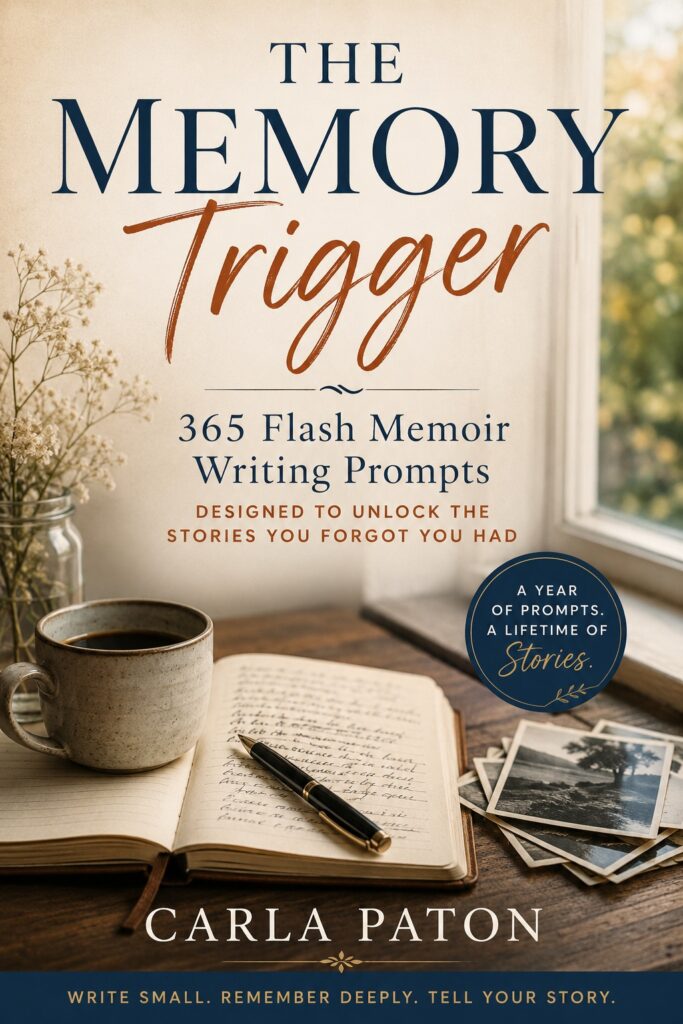
If this prompt brought back a face, a street, or a feeling you had forgotten, keep going. Small memories often lead to the clearest writing. Explore all 365 prompts in The Memory Trigger: 365 Flash Memoir Writing Prompts.


Get the Free Close Reading Worksheet Pack
Join my email list and receive the printable worksheet pack you can use with any novel or poem.
No spam. Just helpful guides for reading literature well.












