Best Classic Hero’s Journey Stories: Timeless Books Every Student Should Know

Hero's Journey

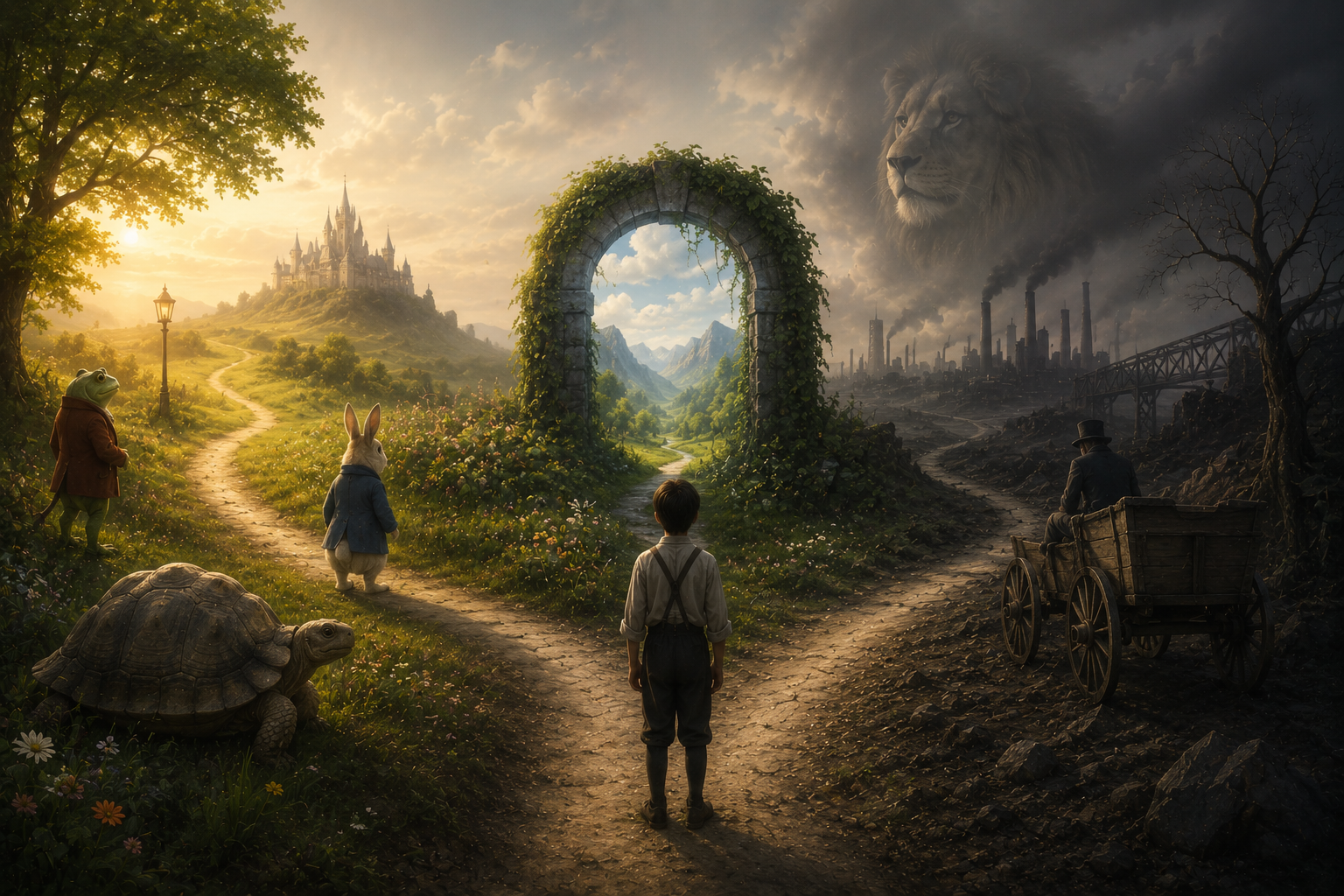
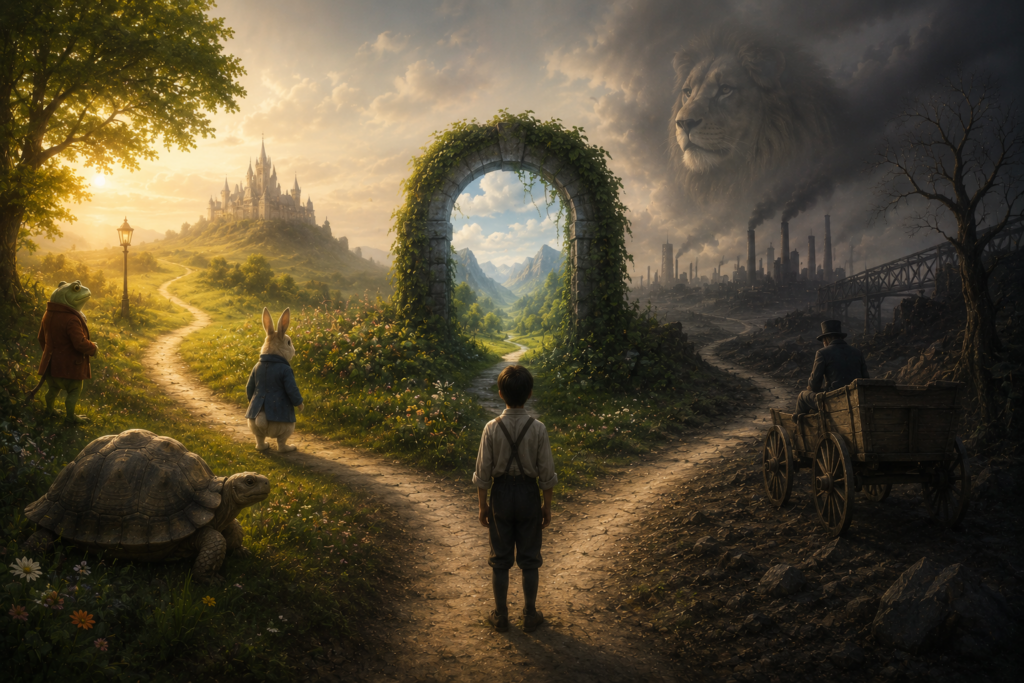
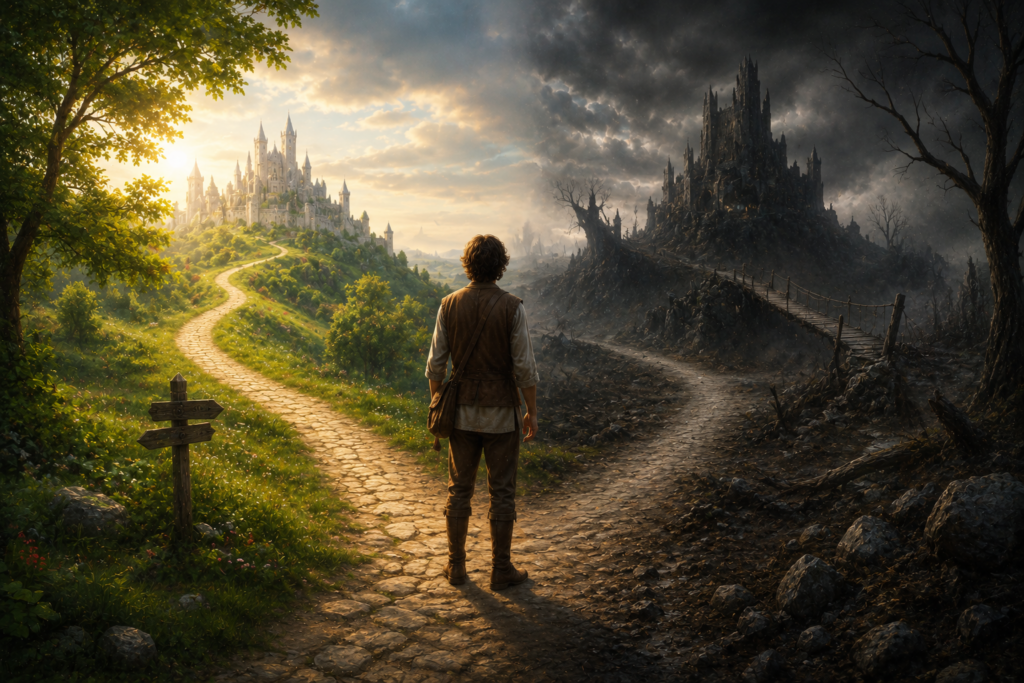
The best classic hero’s journey stories show how ordinary people face fear, leave home, and return changed. These stories help students understand character growth, theme, and the deep patterns that shape literature.

In this Guide

  • What the hero’s journey means
  • Why these stories still matter
  • Best classic hero’s journey stories to read
  • Symbols and themes to watch for
  • Recommended books
  • Helpful links for deeper study
  • FAQs
Hero's Journey

What Makes the Best Classic Hero’s Journey Stories Work?

A strong hero’s journey begins with change.

The hero starts in a familiar world. Then a problem, call, or crisis pushes that person into a harder place. This pattern often includes a guide, a test, a low point, and a return.

The best classic hero’s journey stories do more than follow a plot map. They show how a character becomes wiser through pain, choice, and courage.

Joseph Campbell helped make this pattern famous in his study of myth. You can read more about his work through Britannica’s overview of Joseph Campbell.

Why the Best Classic Hero’s Journey Stories Still Matter

These stories last because they feel personal.

Students may not fight monsters or sail through storms, but they know what fear feels like. They know what it means to leave comfort behind, make a hard choice, or grow up before they feel ready.

The best classic hero’s journey stories give shape to those moments. They turn struggle into meaning.

That is why teachers often use them in high school, AP Literature, and college classes. The structure helps readers track plot, but it also opens the door to deeper character study.

If you want to go deeper with this kind of reading, use this guide on how to analyze characters in literature.

Best Classic Hero’s Journey Stories to Read First

Start with stories that show the pattern clearly.

The Odyssey by Homer

The Odyssey is one of the most famous hero’s journey stories in world literature. Odysseus leaves home for war, faces monsters and temptations, then fights to return to his family.

His journey is not only about travel. It is about pride, loyalty, and the cost of survival.

For background, see Britannica’s entry on The Odyssey.

The Hobbit by J.R.R. Tolkien

Bilbo Baggins begins as a quiet, comfort-loving hobbit. He wants peace, food, and his safe home.

Once he joins the quest, he meets danger and discovers courage. His return matters because he no longer sees himself in the same way.

Jane Eyre by Charlotte Brontë

Jane Eyre may not look like a typical adventure story, but it follows a powerful inner journey. And Jane leaves cruel homes, faces moral tests, and claims her own voice.

Her heroism is not based on battle. It is based on self-respect.

Beowulf

Beowulf gives readers a warrior hero who fights monsters and seeks honor. The battles with Grendel and the dragon reveal both strength and limits.

This story also asks a hard question. What does glory cost?

These are some of the best classic hero’s journey stories because each one links action to inner change.

Symbols and Themes in the Best Classic Hero’s Journey Stories

Symbols make the journey feel larger than one character.

Roads often stand for growth. Seas often suggest danger or the unknown. Monsters can show fear, greed, pride, or violence.

In the best classic hero’s journey stories, the outside conflict often mirrors an inside conflict. Odysseus fights strange creatures, but he also fights his own pride. Jane faces harsh people, but she also fights for her self-worth.

Common themes include courage, identity, home, sacrifice, and wisdom. These themes help readers see why the journey matters.

When you study these works, ask one key question. How is the hero different at the end?

From Idea to Novel Blueprint

How to Read the Best Classic Hero’s Journey Stories for Class

Focus on change, not just adventure.

Track the hero’s first state. Notice what the character wants, fears, and misunderstands. Then compare that to the final chapter or scene.

The best classic hero’s journey stories reward close reading. Small choices often reveal big themes.

You can also look at mentors and enemies. A mentor may teach the hero what matters. An enemy may expose the hero’s weakness.

For essays, connect plot events to character growth. This makes your analysis stronger and less like a summary.

These books are useful for students who want classic examples and strong discussion material.

  • The Odyssey by Homer
  • The Hobbit by J.R.R. Tolkien
  • Jane Eyre by Charlotte Brontë

Each book shows a different kind of hero. One crosses the sea, one leaves a quiet home, and one fights for moral freedom.

What Students Can Learn from the Best Classic Hero’s Journey Stories

These stories teach readers how growth works.

A hero does not become strong in one simple moment. The journey is full of fear, loss, and doubt.

That is what makes the best classic hero’s journey stories so useful in literature classes. They show that change takes effort, and that wisdom often comes after failure.

They also help students compare different cultures and time periods. Ancient epics, Victorian novels, and modern fantasy can all share the same deep pattern.

FAQs About the Best Classic Hero’s Journey Stories

What is a hero’s journey story?

A hero’s journey story follows a character who leaves a familiar world, faces tests, changes in a deep way, and returns with new knowledge.

Why is The Odyssey a hero’s journey?

Odysseus leaves home, faces trials, receives help, suffers loss, and returns changed. That makes The Odyssey one of the best classic hero’s journey stories.

Can a hero’s journey be emotional instead of physical?

Yes. A character may not travel far, but still face fear, moral pressure, or inner conflict. Jane Eyre is a strong example.

How do I write about the hero’s journey in an essay?

Start with the hero’s change. Then use key scenes to show how conflict, symbols, and choices shape that change.

Key Takeaway

The best classic hero’s journey stories last because they turn struggle into growth. They remind readers that the hardest path often leads to the clearest truth.

Conclusion

The hero’s journey is more than a plot pattern. It is a way to understand how people face fear, make choices, and become new versions of themselves.

From The Odyssey to Jane Eyre, the best classic hero’s journey stories help students see why literature still matters. They show that every great journey begins with a call, but its real power comes from change.

What Is Psychological Realism?

Psychological Realism

What Is Psychological Realism?

What Is Psychological Realism? It is a style of writing that focuses on a character’s inner life, not just what happens on the outside.

In these stories, thoughts, fears, guilt, desires, and private conflicts matter as much as the plot. This guide will help you spot psychological realism and understand why it matters in literature.

In this Guide

  • What psychological realism means
  • How it works in stories
  • Why it matters in literature
  • Examples from famous books
  • Books to read
  • FAQ and key takeaway

What Is Psychological Realism? A Simple Definition

Psychological realism shows how people think and feel in a believable way.

A basic answer to What Is Psychological Realism? is this: it is fiction that tries to represent the mind honestly. Instead of only asking, “What happens next?” it asks, “Why does this person act this way?”

Psychological realism often focuses on inner conflict. A character may seem calm in public but feel fear, shame, or doubt inside.

This style became important in the 1800s and 1900s, as writers grew more interested in human behavior. You can learn more about realism as a literary movement through Britannica’s overview of realism.

What Is Psychological Realism? in a Story

In a story, psychological realism helps readers enter a character’s mind.

When you ask, What Is Psychological Realism? look for moments when the story slows down to explore thought and feeling. The action may be simple, but the inner world is rich.

For example, a character might walk into a room and say very little. A psychologically realistic story may reveal that the character feels jealous, nervous, proud, or afraid while saying almost nothing.

This makes the character feel more human. Real people do not always explain their feelings clearly. Literature can show what they hide.

Why What Is Psychological Realism? Matters in Literature

Psychological realism matters because it makes characters feel complex and true to life.

If a teacher asks, What Is Psychological Realism? they may want you to think beyond the plot. The key is to study motivation.

Why does a character lie? Why do they avoid the truth? Why do they want love but fear being seen?

These questions help readers move from summary to analysis. If you want help building that skill, see this guide on how to read literature with deeper attention.

Common Features of Psychological Realism

Psychological realism has a few traits that are easy to notice once you know what to seek.

One common feature is close attention to thought. The narrator may describe memories, private fears, or sudden shifts in mood.

Another feature is moral tension. A character may know what is right but still choose what is easy, selfish, or safe.

You may also see limited action. The “big event” may happen inside the character’s mind.

Some works use stream of consciousness, a style that follows the flow of thoughts. The Poetry Foundation’s guide to stream of consciousness gives a helpful overview of that technique.

What Is Psychological Realism? Famous Examples

Some of the best-known novels in English literature use psychological realism.

In Crime and Punishment by Fyodor Dostoevsky, the plot centers on murder, guilt, fear, and punishment. The real power of the novel comes from Raskolnikov’s mind as he tries to justify what he has done.

In Jane Eyre by Charlotte Brontë, Jane’s inner voice matters deeply. Readers understand her choices because they hear her moral struggle and desire for self-respect.

In Mrs. Dalloway by Virginia Woolf, the story covers one day, but the characters’ minds move across years of memory. The novel shows how the past lives inside the present.

So, What Is Psychological Realism? These examples show that it is not just about “real life.” It is about the hidden life of the mind.

How Psychological Realism Differs from Regular Realism

Realism often shows everyday life in a believable way. Psychological realism goes deeper into the mind.

A realist novel may describe a family, a job, a city, or a social problem. A psychologically realistic novel asks how those things shape a person’s thoughts and choices.

For example, a realist story might show a poor student trying to succeed. A psychologically realistic version would also show the student’s pride, fear, anger, and private hopes.

Both styles can overlap. The difference is the level of attention given to inner life.

What Is Psychological Realism? How to Spot It While Reading

You can spot psychological realism by watching how the writer handles character thought.

Ask yourself: does the story care more about what happens, or why it happens? If the “why” feels central, you may be reading psychological realism.

Look for moments when a character changes their mind, hides a feeling, or says one thing while meaning another. Those moments often reveal the deepest parts of the text.

This is a strong habit for AP Literature and college essays. It helps you build claims about character, theme, and conflict instead of retelling the plot.

Books That Show Psychological Realism

These books are useful if you want to see psychological realism in action.

  • Crime and Punishment by Fyodor Dostoevsky
  • Mrs. Dalloway by Virginia Woolf

Both works spend serious time inside the minds of their characters. They are also common in advanced literature classes.

Practical Reading Tip

When you read, mark places where a character’s outer action does not match their inner feeling.

Write a short note like, “She says she is fine, but the narration shows fear.” This simple habit can help you find psychological realism fast.

For more close reading help, use this guide on how to read literature like a scholar.

FAQ: What Is Psychological Realism?

What Is Psychological Realism? in simple words

Psychological realism is a style of fiction that shows a character’s thoughts, emotions, motives, and inner conflicts in a believable way.

Is psychological realism the same as realism?

No. Realism focuses on believable life and society. Psychological realism focuses more on the inner life of characters.

Why do authors use psychological realism?

Authors use it to make characters feel deep, complex, and human. It helps readers understand why people make difficult choices.

What is a strong example of psychological realism?

Crime and Punishment is a strong example because it spends so much time inside Raskolnikov’s guilty and troubled mind.

Key Takeaway

What Is Psychological Realism? It is literature that treats the mind as seriously as the plot. If you follow a character’s thoughts, fears, and hidden motives, you will understand the story on a deeper level.

Most Disturbing Morality and Guilt in Literature: Why These Stories Haunt Us

Morality and Guilt
Morality and Guilt

Some books leave us unsettled because they force us to ask what we would do in a hard moment. Most Disturbing Morality and Guilt stories show characters trapped between choice, shame, and consequence.

These works matter because they do more than shock us. They make us think about justice, fear, and the hidden parts of the human mind.

In this Guide

Why Most Disturbing Morality and Guilt Stories Stay With Us

The most haunting stories often begin with one choice that cannot be taken back.

Most Disturbing Morality and Guilt literature works because it places readers close to a character’s inner conflict. We may not agree with the character, but we understand the pressure that shapes the choice.

Guilt also feels personal. A ghost, a trial, or a confession can stand for something deeper: the fear that truth will come out.

That is why these stories often feel more disturbing than simple horror. The danger comes from the mind, not just from the outside world.

Most Disturbing Morality and Guilt in Classic Literature

Classic literature uses guilt to show how fragile the human conscience can be.

In Crime and Punishment by Fyodor Dostoevsky, Raskolnikov believes he can commit murder for a higher purpose. After the crime, his mind begins to break under guilt.

This is one of the clearest examples of Most Disturbing Morality and Guilt because the novel does not let readers escape the crime. We stay inside Raskolnikov’s fear, pride, and shame.

You can learn more about the author through this Britannica profile of Fyodor Dostoevsky.

In Shakespeare’s Macbeth, guilt turns into visions and madness. Macbeth and Lady Macbeth gain power, but their minds become haunted by what they have done.

Lady Macbeth’s famous sleepwalking scene shows guilt as something the body cannot hide. Her need to wash her hands becomes a symbol of moral stain.

In Edgar Allan Poe’s “The Tell-Tale Heart,” the narrator tries to prove he is sane. Yet the sound of the imagined beating heart reveals the guilt he cannot bury.

For more help with symbols like blood, darkness, and sound, students may find this guide to literary devices in poetry and literature useful.

These books are strong choices for students who want to explore moral conflict in serious literature.

  • Crime and Punishment by Fyodor Dostoevsky
  • Macbeth by William Shakespeare
  • The Picture of Dorian Gray by Oscar Wilde

The Picture of Dorian Gray is a powerful example of Most Disturbing Morality and Guilt because the main character hides his sins from the world. His portrait shows the truth that his face does not.

These books are often available through Amazon, school libraries, and local bookstores. If you read them for class, choose an edition with notes to help with older language.

Symbols and Themes in Most Disturbing Morality and Guilt Stories

Writers often use symbols to make guilt visible.

Blood is one of the most common symbols. In Macbeth, blood stands for murder, blame, and memory.

Darkness often shows moral confusion. A character may act at night because the hidden setting matches a hidden sin.

Sound can also carry guilt. In “The Tell-Tale Heart,” the beating heart becomes louder because the narrator’s mind cannot stay calm.

These symbols help shape Most Disturbing Morality and Guilt into something readers can see or hear. They turn private shame into a public sign.

For more on how writers build meaning through images and figures of speech, see this guide to common literary devices.

How to Read Most Disturbing Morality and Guilt in Literature

Do not read these stories only to judge the character.

Ask what the character believes before the moral choice happens. Then ask how that belief changes after guilt appears.

Pay attention to repeated images. A stain, a sound, or a locked room may reveal what the character refuses to say.

It also helps to notice the ending. Some works offer punishment, while others leave readers with doubt.

That doubt is often the point. Most Disturbing Morality and Guilt stories do not always give easy answers.

Why Students Should Care About These Stories

These works help students think about choice and responsibility.

They also show that literature is not just about plot. It is about what people hide, fear, and regret.

For AP Literature or college classes, Most Disturbing Morality and Guilt can connect to major themes like justice, identity, and power.

These stories also build strong essay topics. A student can write about symbols, character change, or the way guilt shapes the plot.

FAQs About Most Disturbing Morality and Guilt in Literature

What does Most Disturbing Morality and Guilt mean in literature?

It refers to stories where characters face serious moral choices and suffer from guilt after those choices. These works often explore crime, shame, and conscience.

Why are guilt stories so powerful?

They feel real because guilt is a human emotion. Even when the plot is extreme, the inner conflict can feel familiar.

What is a good book to start with?

Macbeth is a strong starting point because it is short, dramatic, and full of clear symbols. The Picture of Dorian Gray is also a good choice for students.

Is guilt always shown as punishment?

No. Sometimes guilt leads to confession or madness. In other stories, guilt stays hidden and slowly destroys the character.

Can poetry explore morality and guilt too?

Yes. Many poems use images, tone, and symbols to explore regret. The Poetry Foundation is a helpful place to find examples.

Key Takeaway

Most Disturbing Morality and Guilt stories haunt us because they make moral failure feel close and human.

They remind us that the scariest part of literature is not always the crime itself. Sometimes, it is the silence after it.

Types of Satire Explained

types of satire

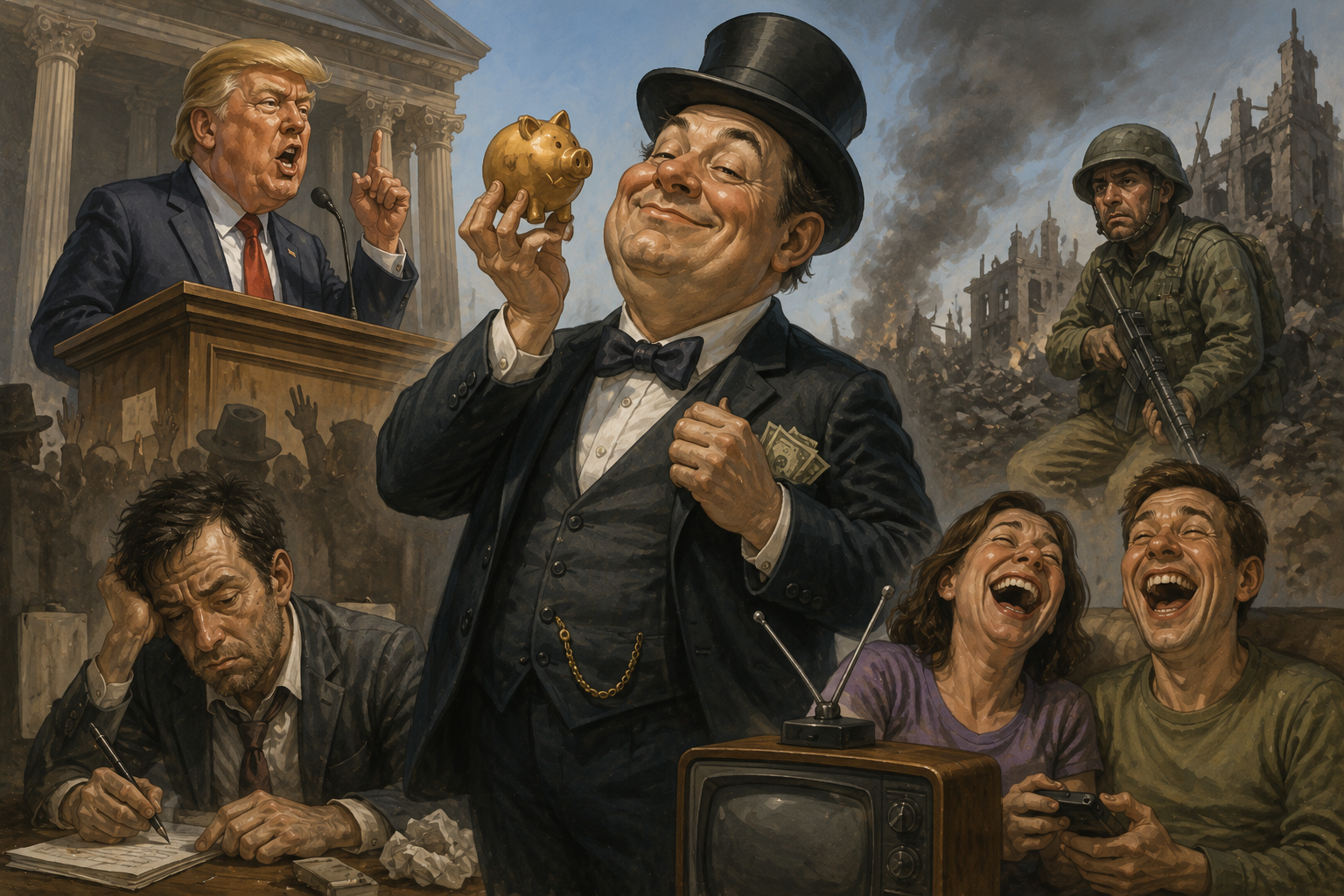
Satire can feel tricky at first because it often says one thing while meaning something sharper. In this guide, you will find Types of Satire Explained in clear language, with examples that help you read and write about literature with more confidence.

Satire is not just “making fun” of something. It uses humor, irony, and exaggeration to point out problems in people, society, or power.

In this Guide

types of satire

What Satire Means in Literature

Satire is a literary tool that uses humor to expose what is wrong.

A writer may mock greed, pride, bad leadership, social rules, or unfair systems. The goal is often to make readers laugh, then think.

Types of Satire Explained starts with this simple idea: satire attacks a problem, not just a person. It uses clever writing to show that something needs to change.
Satire often uses devices like irony, exaggeration, parody, and understatement. If you want a broader review, this literary devices list can help you connect satire to other tools writers use.

Types of Satire Explained: The Main Forms

Writers use different kinds of satire depending on how harsh or playful they want to sound.

When students search for Types of Satire Explained, they usually need help telling the forms apart. The most common types are Horatian satire, Juvenalian satire, Menippean satire, and parody.

Horatian Satire

Horatian satire is gentle, playful, and witty. It points out human flaws without sounding too angry.

This type often laughs at silly habits, social manners, or foolish choices. The tone feels light, but the message still matters.

Oscar Wilde’s The Importance of Being Earnest is a strong example. Wilde makes fun of upper-class manners, fake respectability, and the way people care too much about appearances.

Juvenalian Satire

Juvenalian satire is darker and more biting. It attacks corruption, cruelty, or hypocrisy in a serious way.

This type often feels angry because the problem is not small. The writer wants readers to feel shocked or disturbed.

Jonathan Swift’s A Modest Proposal is one of the most famous examples. Swift suggests a shocking “solution” to poverty in Ireland, but his real target is the cold way powerful people treat those with lower incomes.

Menippean Satire

Menippean satire attacks ideas, beliefs, or ways of thinking.

Instead of focusing on one person, it often mocks a whole mindset. It may seem strange, wild, or mixed in style.

Voltaire’s Candide is a key example. The novel mocks blind optimism, especially the idea that everything always happens for the best.

Parody

Parody copies the style of a writer, genre, or work to make it look silly.

A parody can be light and funny, but it can also reveal weak ideas in the original style. It works best when readers know what is being copied.

For example, a story that copies the dramatic style of a heroic epic but applies it to a tiny problem can become comic. Alexander Pope’s The Rape of the Lock does this by treating a social quarrel like a grand battle.

Types of Satire Explained Through Famous Literary Examples

Satire becomes easier to understand when you see it at work in real books.

Types of Satire Explained is not just a list of terms. It is a way to notice how authors criticize the world around them.

Animal Farm by George Orwell

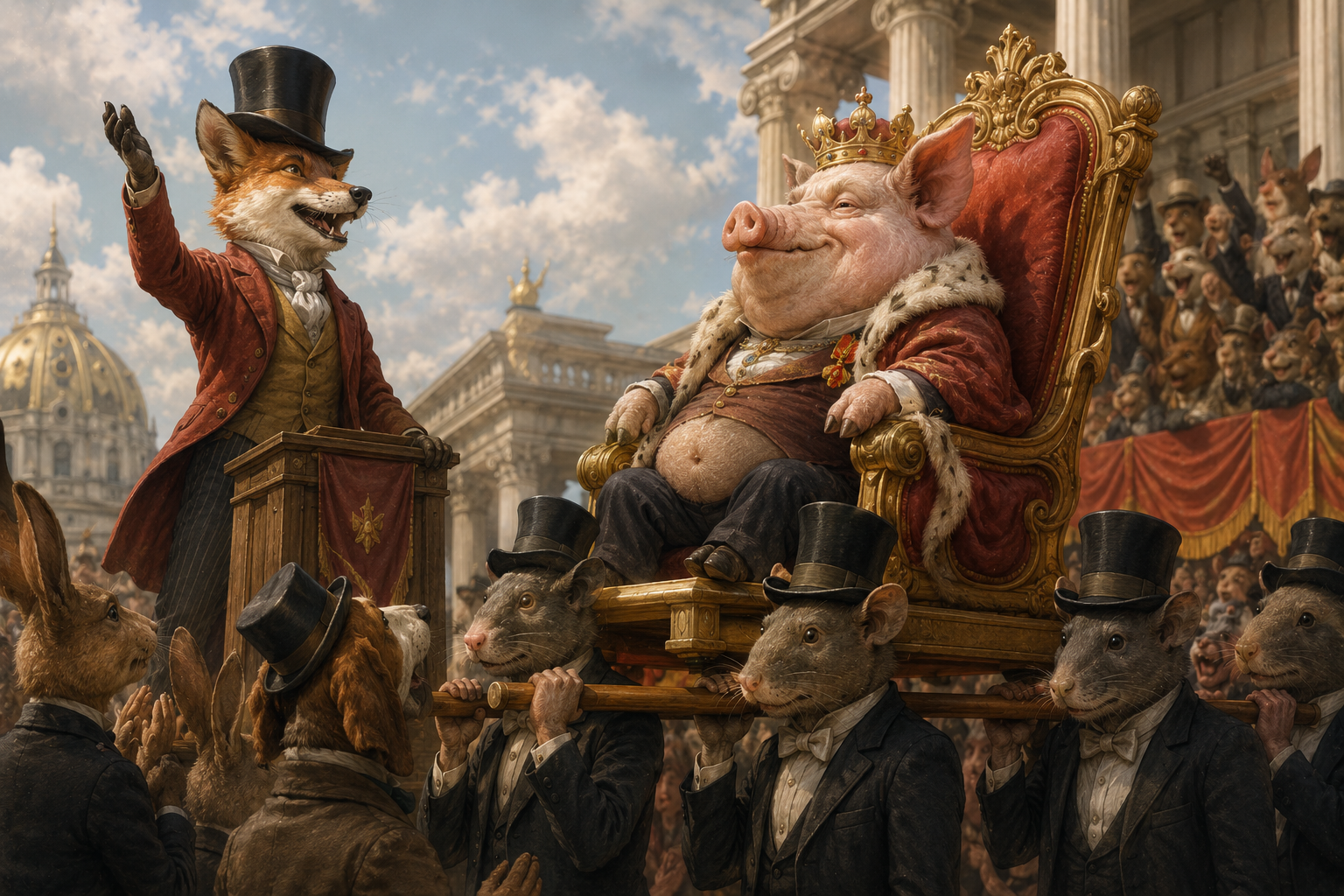
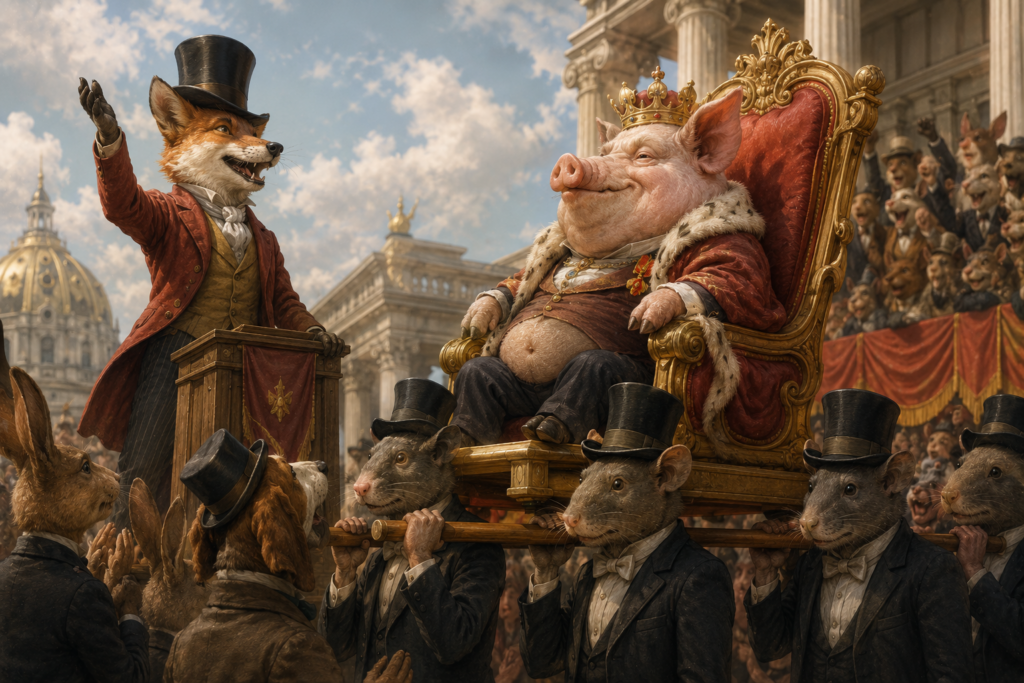
Animal Farm uses animals to satirize political power and corruption. The pigs begin with promises of fairness, but they become as cruel as the humans they replace.

Orwell’s satire is sharp because the story looks simple on the surface. Underneath, it shows how leaders can twist language and history to control others.

Gulliver’s Travels by Jonathan Swift

Gulliver’s Travels is often read as an adventure story, but it is full of satire. Swift uses strange lands and strange people to mock politics, pride, and human weakness.

The tiny Lilliputians fight over foolish issues, which makes real-world political conflict look petty. Swift makes readers laugh, then asks them to judge human behavior.

The Adventures of Huckleberry Finn by Mark Twain

Mark Twain uses satire to expose racism, false morality, and social hypocrisy. Huck often sees the world more clearly than the adults around him.

The satire works because Twain lets readers notice the gap between what society says is “right” and what is truly moral.

For more background on the history of satire, you can visit Britannica’s overview of satire.

image-slider-with-thumbnail1.jpeg
PlayPause
previous arrow
next arrow
image-slider-with-thumbnail1.jpeg
image-slider-with-thumbnail3.jpeg
image-slider-with-thumbnail4.jpeg
ChatGPT Image Jun 27, 2026, 06_33_13 PM
ChatGPT Image Jun 27, 2026, 06_36_37 PM
ChatGPT Image Jun 27, 2026, 06_38_39 PM
ChatGPT Image Jun 27, 2026, 06_31_22 PM
image-slider-with-thumbnail7.jpeg
ChatGPT Image Jun 27, 2026, 06_29_43 PM
ChatGPT Image Jun 27, 2026, 06_27_44 PM
image-slider-with-thumbnail6.jpeg
ChatGPT Image Jun 27, 2026, 06_15_07 PM
image-slider-with-thumbnail5.jpeg
ChatGPT Image Jun 27, 2026, 06_22_43 PM
ChatGPT Image Jun 27, 2026, 06_25_37 PM
ChatGPT Image Jun 27, 2026, 06_19_43 PM
ChatGPT Image Jun 27, 2026, 06_12_00 PM
ChatGPT Image Jun 27, 2026, 06_08_50 PM
ChatGPT Image Jun 26, 2026, 04_54_23 PM
ChatGPT Image Jun 27, 2026, 05_53_51 PM
ChatGPT Image Jun 28, 2026, 08_35_55 AM
previous arrow
next arrow

Types of Satire Explained: How Satire Uses Irony and Exaggeration

Satire often depends on a gap between what is said and what is meant.

Irony is one of satire’s strongest tools. A writer may praise something that is clearly wrong so readers can see how foolish it is.

Exaggeration also matters. A satirist may make a flaw seem huge so readers cannot ignore it.

In A Modest Proposal, Swift’s extreme suggestion is not meant to be accepted. The exaggeration forces readers to face the cruelty of real political attitudes.

This is why Types of Satire Explained should always include tone. Ask yourself if the writer sounds playful, bitter, strange, or mocking. Tone helps you name the kind of satire.

Types of Satire Explained for Stronger Essay Analysis

Satire gives you strong evidence for literary essays because it connects style to meaning.

When you write about satire, do not stop at saying “the author makes fun of society.” That is a start, but it is too broad.

A stronger point explains the target, the method, and the purpose.

For example, in Animal Farm, Orwell satirizes political propaganda through the changing commandments on the barn wall. This shows how language can hide abuse of power.

That kind of sentence gives you a clear path for analysis. It names what Orwell attacks, how he does it, and why it matters.

If you are studying satire with other tools like symbolism or irony, this guide to literary devices can help you build stronger essay points.

Types of Satire Explained: Quick Comparison for Students

Each type of satire has a different tone and target.

Type of SatireCommon ToneMain TargetExample
HoratianLight and playfulHuman foolishnessThe Importance of Being Earnest
JuvenalianHarsh and seriousCorruption or injusticeA Modest Proposal
MenippeanStrange or mixedIdeas and beliefsCandide
ParodyComic or mockingA style or genreThe Rape of the Lock

Types of Satire Explained becomes much simpler when you focus on tone. Ask what the writer attacks and how sharp the attack feels.

Books That Help You Study Satire

These books are useful if you want to see satire in action.

  • Animal Farm by George Orwell
  • Gulliver’s Travels by Jonathan Swift
  • The Importance of Being Earnest by Oscar Wilde

You can also explore Alexander Pope’s The Rape of the Lock at the Poetry Foundation to see mock-epic satire in poetry.

FAQ: Types of Satire Explained

What is satire in simple terms?

Satire is writing that uses humor, irony, or exaggeration to criticize a problem. It often makes readers laugh while pointing out something serious.

What are the main types of satire?

The main types are Horatian, Juvenalian, Menippean, and parody. Each one has a different tone and target.

Is satire always funny?

No. Some satire is funny, but some is dark or uncomfortable. Juvenalian satire often feels harsh because it attacks serious injustice.

How do I identify satire in literature?

Look for humor, irony, exaggeration, and criticism. Then ask what problem the author wants readers to notice.

Why does satire matter in essays?

Satire helps you explain how an author uses style to shape meaning. It can lead to strong claims about theme, tone, and social criticism.

Key Takeaway

Types of Satire Explained comes down to tone, target, and purpose. Once you can see what the author mocks and why, satire becomes a powerful tool for reading and essay writing.

How to Write a Siddhartha Literary Analysis Essay

Siddhartha Literary Analysis

Writing a Siddhartha literary analysis essay can feel hard at first because the novel is quiet, symbolic, and full of big ideas. This guide will help you turn those ideas into a clear thesis, strong body paragraphs, and useful evidence.

In This Guide

Use these sections as a simple path from first idea to final draft.

  • What the essay should prove
  • How to choose a focused angle
  • Thesis statement examples
  • Topic ideas for class essays
  • Evidence worth using
  • Paragraph structure tips
  • Helpful books and links
  • FAQ
Siddhartha Literary Analysis

Why a Siddhartha literary analysis essay is different

Siddhartha asks you to study growth, not just plot.

A strong Siddhartha literary analysis essay does more than retell Siddhartha’s journey. It explains how Hermann Hesse uses character change, symbols, and contrast to show a deeper truth about wisdom.

Think of it like an essay on The Odyssey. You would not just say Odysseus travels home. You would explain how the journey tests his pride and changes his view of life.

The same rule works here. Your essay should answer one key question: What does Siddhartha learn, and how does Hesse show it?

Step 1: Choose a focused angle for your Siddhartha literary analysis essay

A good angle helps your essay stay clear.

Before your Siddhartha literary analysis essay can work, you need a focus that is smaller than “the meaning of life.” That topic is too wide. Pick one pattern in the novel and build from there.

You might focus on Siddhartha’s rejection of teachers. You might study the river as a symbol. Or you might compare knowledge from books with wisdom from lived experience.

Here are a few strong angles:

  • Siddhartha learns that wisdom cannot be handed from one person to another.
  • The river shows unity because it holds the past and present at once.
  • Siddhartha’s pride delays his growth, even when he seems spiritual.
  • Kamala and Kamaswami teach Siddhartha about desire and emptiness.
  • Govinda helps reveal what Siddhartha gains by taking a different path.

If you want help with the full essay process, this literary analysis essay guide gives a clear overview you can use with any novel.

Siddhartha literary analysis essay thesis statement examples

Your thesis should make a claim that someone could discuss or challenge.

The best Siddhartha literary analysis essay thesis is specific. It names the idea, the method Hesse uses, and the larger meaning.

Weak thesis: Siddhartha is about finding wisdom.

Stronger thesis: In Siddhartha, Hesse shows that wisdom cannot be taught through words alone, since Siddhartha must pass through desire, loss, and quiet reflection before he understands the unity of life.

Here are more thesis examples you can adapt:

  • Through the symbol of the river, Hesse presents enlightenment as a state of peace with change, not an escape from the world.
  • Siddhartha’s spiritual pride keeps him from true wisdom because he treats each teacher as a step to reject rather than a person to understand.
  • By contrasting Siddhartha with Govinda, Hesse shows that faith in another person’s path cannot replace personal experience.
  • Kamala’s role in the novel reveals that desire is not only a temptation, but also a painful teacher.

For faster drafting, the Literary Analysis Essay Toolkit can help you build thesis statements, organize evidence, and shape body paragraphs without staring at a blank page.

Topic ideas for a Siddhartha literary analysis essay

The best topic should be narrow enough for a few body paragraphs.

Try one of these topic ideas if your teacher lets you choose your own prompt:

  • The river as a symbol: Explain how the river teaches Siddhartha what words cannot.
  • Siddhartha and Govinda: Compare their paths to show two different views of spiritual search.
  • The limits of teachers: Study why Siddhartha leaves the Samanas, the Buddha, and other guides.
  • Desire and suffering: Explain how wealth and pleasure shape Siddhartha’s later wisdom.
  • Silence and listening: Show how Hesse connects peace with deep attention.
  • The meaning of Om: Analyze how this sacred sound connects the self with the whole world.

These topics also pair well with common AP Literature skills, such as symbolism, character development, and theme.

image-slider-with-thumbnail1.jpeg
PlayPause
previous arrow
next arrow
image-slider-with-thumbnail1.jpeg
image-slider-with-thumbnail3.jpeg
image-slider-with-thumbnail4.jpeg
ChatGPT Image Jun 27, 2026, 06_33_13 PM
ChatGPT Image Jun 27, 2026, 06_36_37 PM
ChatGPT Image Jun 27, 2026, 06_38_39 PM
ChatGPT Image Jun 27, 2026, 06_31_22 PM
image-slider-with-thumbnail7.jpeg
ChatGPT Image Jun 27, 2026, 06_29_43 PM
ChatGPT Image Jun 27, 2026, 06_27_44 PM
image-slider-with-thumbnail6.jpeg
ChatGPT Image Jun 27, 2026, 06_15_07 PM
image-slider-with-thumbnail5.jpeg
ChatGPT Image Jun 27, 2026, 06_22_43 PM
ChatGPT Image Jun 27, 2026, 06_25_37 PM
ChatGPT Image Jun 27, 2026, 06_19_43 PM
ChatGPT Image Jun 27, 2026, 06_12_00 PM
ChatGPT Image Jun 27, 2026, 06_08_50 PM
ChatGPT Image Jun 26, 2026, 04_54_23 PM
ChatGPT Image Jun 27, 2026, 05_53_51 PM
ChatGPT Image Jun 28, 2026, 08_35_55 AM
previous arrow
next arrow

Evidence to use in a Siddhartha literary analysis essay

Good evidence should prove how the novel creates meaning.

In a Siddhartha literary analysis essay, you can use direct quotes, scene details, and repeated images. You do not need long quotes. A short phrase often works better if you explain it well.

Look for evidence in these parts of the novel:

  • Siddhartha’s early life: His restlessness shows that comfort and praise do not satisfy him.
  • His time with the Samanas: His harsh discipline reveals that denial alone does not bring peace.
  • His meeting with the Buddha: His respect for the Buddha makes his departure more complex.
  • His life with Kamala: His desire for beauty and status pulls him away from his earlier goals.
  • His despair by the river: His lowest point becomes the start of wisdom.
  • Vasudeva’s listening: His quiet presence models a different kind of teaching.

When you quote, avoid dropping the quote into the paragraph without support. Explain what the words show, why they matter, and how they connect to your thesis.

How to outline a Siddhartha literary analysis essay

A simple outline can keep your draft from turning into summary.

Start with an introduction that gives the title, author, and main issue. End that paragraph with your thesis.

Each body paragraph should prove one part of the thesis. Use a topic sentence, evidence from the novel, and analysis that explains the deeper meaning.

Here is a flexible outline:

  1. Introduction: Present the novel and your main claim.
  2. Body paragraph 1: Explain Siddhartha’s early belief about wisdom.
  3. Body paragraph 2: Show how experience changes that belief.
  4. Body paragraph 3: Analyze the river, Vasudeva, or Govinda as proof of the final lesson.
  5. Conclusion: Return to your thesis and state what the novel suggests about human growth.

If you need more help with structure, revisit this step-by-step literary analysis essay resource before you draft.

Paragraph example for your essay

A model paragraph can show how analysis should sound.

Sample topic sentence: Hesse uses the river to show that wisdom comes when Siddhartha stops trying to control life and begins to listen to it.

Sample analysis: The river does not teach through lectures. It teaches through sound, motion, and patience. By listening to it, Siddhartha starts to see life as whole rather than split into success and failure. This matters because he once believed each stage of life had to be escaped. Near the river, he learns that every stage belongs to the same larger pattern.

Notice how the paragraph does not just state that the river is important. It explains how the symbol supports the thesis.

Common mistakes to avoid

Small choices can weaken an otherwise strong paper.

Do not write a plot summary. Your teacher already knows what happens. Focus on why events matter.

Do not make Siddhartha sound perfect. His pride, desire, and despair make his growth more meaningful.

Do not treat symbols like secret codes. A river does not mean only one thing. In this novel, it can suggest time, unity, change, and peace.

Do not end each paragraph with a quote. End with your own insight so your voice stays in control.

Helpful books and sources

These resources can deepen your understanding of Hesse and the novel.

Relevant books to search for on Amazon, at your school library, or at a local bookstore:

  • Siddhartha by Hermann Hesse
  • Steppenwolf by Hermann Hesse
  • The Hero with a Thousand Faces by Joseph Campbell

For background on the author, see Britannica’s page on Hermann Hesse. For a trusted overview of Hesse’s Nobel recognition, visit The Nobel Prize biography of Hermann Hesse.

FAQ: Siddhartha literary analysis essay help

What is a good thesis for a Siddhartha essay?

A good thesis makes a clear claim about wisdom, experience, or spiritual growth. It should also name how Hesse develops that idea through symbols or character change.
What are the best symbols to analyze in Siddhartha?

The river is the strongest symbol. You can also write about Om, the smile, the ferryman, or the contrast between town life and the natural world.

Can I write about Siddhartha and Govinda?

Yes. Their contrast works well because Govinda follows teachers, while Siddhartha seeks wisdom through direct experience.

How long should my essay be?

Follow your teacher’s rules first. For most high school essays, four to five paragraphs can work if each paragraph has clear evidence and analysis.

Should I include historical context?

Use only a small amount. The essay should focus on the text, not become a report on religion or Hesse’s life.

Key takeaway

A strong Siddhartha literary analysis essay proves how Hesse turns a spiritual journey into a lesson about lived wisdom. Choose one clear angle, support it with precise evidence, and let your analysis explain why the journey matters.

What Is Satire in Literature?

Satire in Literature

What Is Satire in Literature? Satire is writing that uses humor, irony, or exaggeration to point out flaws in people, society, politics, or human behavior.

It can make readers laugh, but its real goal is often serious. Satire asks us to notice what is wrong and think about why it matters.

In this Guide

Satire in Literature

What Is Satire in Literature? A Simple Definition

Satire is a literary tool that uses jokes with a purpose.

If someone asks, What Is Satire in Literature?, the clearest answer is this: satire makes fun of something in order to criticize it. The target might be a person, a law, a belief, or a social habit.

Satire is not the same as simple comedy. Comedy may exist just to entertain. Satire entertains, but it also pushes readers to see a problem.

For example, a writer may create a foolish king to show that a real government is corrupt. The story may feel funny, but the message can be sharp.

What Is Satire in Literature? Why It Matters

Satire matters because it helps writers speak truth in a clever way.

In many time periods, writers could not openly attack leaders or social systems. Satire gave them a safer path. They could hide criticism inside jokes, fantasy, or strange events.

Satire also makes readers active. You have to ask, “What is the writer really saying?” That makes satire useful in high school, AP Literature, and college classes.

When students ask, What Is Satire in Literature?, they are really asking how writers use humor to reveal truth. That skill helps with close reading and essay writing.

If you want to study satire beside other terms, this literary devices list is a helpful place to start.

How Satire Works in a Story

Satire often works by making a problem look strange, silly, or extreme.

Writers may use irony, which means the real meaning is different from what appears on the surface. A character may praise a bad law so much that readers realize the law is foolish.

Writers may also use exaggeration. They make a flaw larger than life so readers cannot miss it.

Another common tool is parody. A parody copies the style of something familiar, but changes it to expose its weak points.

So, What Is Satire in Literature? It is not just “being funny.” It is humor with a target and a reason.

Famous Examples of Satire in Literature

Some of the most famous books in English use satire to question power and human weakness.

Animal Farm by George Orwell is one of the clearest examples. The novel uses farm animals to criticize political corruption and the abuse of power. The story seems simple, but its message is serious.

Gulliver’s Travels by Jonathan Swift also uses satire. Gulliver visits strange lands, but those strange places reflect real problems in politics, science, and human pride.

Swift’s essay “A Modest Proposal” is a darker example. He uses shocking irony to attack the cruel treatment of poor people in Ireland. The essay does not mean what it seems to say, which is why it is often taught as classic satire.

The Importance of Being Earnest by Oscar Wilde satirizes social manners and class. The characters care deeply about names, image, and status. Wilde makes their world funny so readers can see how shallow it is.

For a broader overview of satire as a genre, you can visit Britannica’s article on satire.

image-slider-with-thumbnail1.jpeg
PlayPause
previous arrow
next arrow
image-slider-with-thumbnail1.jpeg
image-slider-with-thumbnail3.jpeg
image-slider-with-thumbnail4.jpeg
ChatGPT Image Jun 27, 2026, 06_33_13 PM
ChatGPT Image Jun 27, 2026, 06_36_37 PM
ChatGPT Image Jun 27, 2026, 06_38_39 PM
ChatGPT Image Jun 27, 2026, 06_31_22 PM
image-slider-with-thumbnail7.jpeg
ChatGPT Image Jun 27, 2026, 06_29_43 PM
ChatGPT Image Jun 27, 2026, 06_27_44 PM
image-slider-with-thumbnail6.jpeg
ChatGPT Image Jun 27, 2026, 06_15_07 PM
image-slider-with-thumbnail5.jpeg
ChatGPT Image Jun 27, 2026, 06_22_43 PM
ChatGPT Image Jun 27, 2026, 06_25_37 PM
ChatGPT Image Jun 27, 2026, 06_19_43 PM
ChatGPT Image Jun 27, 2026, 06_12_00 PM
ChatGPT Image Jun 27, 2026, 06_08_50 PM
ChatGPT Image Jun 26, 2026, 04_54_23 PM
ChatGPT Image Jun 27, 2026, 05_53_51 PM
ChatGPT Image Jun 28, 2026, 08_35_55 AM
previous arrow
next arrow

What Is Satire in Literature? Common Types to Know

Satire can take different forms, but the main goal stays the same.

Horatian satire is light and playful. It gently mocks human foolishness. This type may make readers smile before they notice the criticism.

Juvenalian satire is darker and more direct. It attacks serious problems like greed, injustice, or cruelty.

Menippean satire often targets ideas, beliefs, or attitudes. It may feel strange, bold, or mixed in style.

When you ask, What Is Satire in Literature?, it helps to know which type you see. A gentle joke and a harsh attack can both be satire, but they create different effects.

How to Spot Satire While Reading

Satire becomes easier to notice when you look for a mismatch.

Ask yourself what seems too foolish, too perfect, or too extreme. If a scene feels funny but also uncomfortable, satire may be at work.

Look for the target. Who or what is being criticized? The target might be a character, a social rule, a government, or a common belief.

Then look for the tone. Is the writer playful, angry, calm, or bitter? Tone can tell you how serious the criticism is.

For more tools that can help with this kind of reading, check out this guide to common literary devices.

What Is Satire in Literature? A Quick Classroom Example

Satire often appears in school texts because it rewards close reading.

Imagine a story about a town where everyone must wear giant hats to prove they are smart. The bigger the hat, the smarter the person is supposed to be.

At first, this sounds silly. But the story might be satirizing people who care more about status than real wisdom.

That is the heart of the answer to What Is Satire in Literature? A writer creates something funny or strange so readers can see a real-world problem more clearly.

Books That Show Satire Clearly

These books are useful if you want to see satire in action.

  • Animal Farm by George Orwell
  • Gulliver’s Travels by Jonathan Swift

Both books are widely taught and easy to connect to major themes like power, pride, and corruption.

Practical Tip for Analyzing Satire

Use one simple question as you read: What is the writer making fun of, and why?

Once you find the target, look for the method. Is the writer using irony, exaggeration, parody, or a strange situation?

Then connect the joke to the message. A strong satire essay does not just say, “This is funny.” It explains what the humor reveals.

FAQ: What Is Satire in Literature?

What Is Satire in Literature?

Satire is writing that uses humor, irony, or exaggeration to criticize human flaws, social problems, or political issues.

Is satire always funny?

No. Satire can be funny, but it can also feel dark, bitter, or shocking. Its main goal is criticism.

What is the difference between satire and sarcasm?

Sarcasm is often a sharp remark. Satire is a larger form of criticism that can shape a whole poem, play, essay, or novel.

Why do authors use satire?

Authors use satire to expose problems in a way that grabs attention. It can make serious ideas easier to notice and harder to ignore.

Key Takeaway

What Is Satire in Literature? It is humor with a purpose. Satire makes readers laugh, think, and question the world around them.

Themes in Siddhartha: A Student-Friendly Guide

Themes in Siddhartha

Hermann Hesse’s Siddhartha may seem quiet at first, but its ideas are deep. This guide explains the themes in Siddhartha so students can see how the novel explores wisdom, desire, suffering, and peace.

In this Guide

Use these sections to find the ideas that matter most for class discussion and essays.

  • Why the themes in Siddhartha matter
  • Wisdom and personal experience
  • The search for the self
  • Desire, wealth, and emptiness
  • Suffering and compassion
  • Nature, the river, and unity
  • How to write about the novel’s themes
  • FAQ
Themes in Siddhartha

Why the themes in Siddhartha matter

The themes in Siddhartha shape the whole story, not just a few scenes.

Siddhartha is not only about a young man who leaves home. It is about a person who must test ideas in real life before he can understand them.

That makes the novel useful for high school, AP Literature, and college classes. It asks a question students know well: Can someone else give you truth, or do you have to find it yourself?

For more background on the author, Britannica has a helpful overview of Hermann Hesse.

Themes in Siddhartha: Wisdom cannot be borrowed

The novel argues that real wisdom must come from lived experience.

Siddhartha studies with priests, ascetics, and even listens to the Buddha. Yet he still feels that something is missing.

This does not mean the teachers are false. The Buddha, for example, is shown with respect. The problem is that another person’s truth cannot become Siddhartha’s truth unless he lives through it.

These themes in Siddhartha connect to many coming-of-age stories. In The Odyssey, Telemachus also has to leave home to gain a stronger sense of himself. Advice helps, but experience changes him.

A good essay can focus on this tension between teaching and discovery. Siddhartha learns from others, but he cannot copy their paths.

Themes in Siddhartha and the search for the self

Siddhartha’s main conflict is not with one enemy. It is with his own divided self.

At the start, Siddhartha rejects ordinary life because he wants spiritual truth. Later, he rejects spiritual pride because he sees that it can become another form of ego.

This makes the themes in Siddhartha feel personal. Siddhartha wants to escape the self, but he also has to understand the self before he can find peace.

Students should notice how the novel treats identity as a process. Siddhartha is not the same person in each stage of the story, but each stage teaches him something.

If you want help with this kind of close reading, try this guide on how to analyze characters in literature.

Desire, wealth, and emptiness

The world of pleasure gives Siddhartha comfort, but it does not give him peace.

When Siddhartha meets Kamala and Kamaswami, he enters a life of love, money, and status. He learns skills he never had before, but he also starts to lose his inner focus.

One of the sharpest themes in Siddhartha is the danger of mistaking success for meaning. Siddhartha gains wealth, yet he feels spiritually empty.

This part of the novel can remind students of The Great Gatsby. Gatsby has beauty and money around him, but those things do not solve his deeper hunger.

Hesse does not say that the physical world is evil. He shows that desire becomes harmful when it controls the soul.

image-slider-with-thumbnail1.jpeg
PlayPause
previous arrow
next arrow
image-slider-with-thumbnail1.jpeg
image-slider-with-thumbnail3.jpeg
image-slider-with-thumbnail4.jpeg
ChatGPT Image Jun 27, 2026, 06_33_13 PM
ChatGPT Image Jun 27, 2026, 06_36_37 PM
ChatGPT Image Jun 27, 2026, 06_38_39 PM
ChatGPT Image Jun 27, 2026, 06_31_22 PM
image-slider-with-thumbnail7.jpeg
ChatGPT Image Jun 27, 2026, 06_29_43 PM
ChatGPT Image Jun 27, 2026, 06_27_44 PM
image-slider-with-thumbnail6.jpeg
ChatGPT Image Jun 27, 2026, 06_15_07 PM
image-slider-with-thumbnail5.jpeg
ChatGPT Image Jun 27, 2026, 06_22_43 PM
ChatGPT Image Jun 27, 2026, 06_25_37 PM
ChatGPT Image Jun 27, 2026, 06_19_43 PM
ChatGPT Image Jun 27, 2026, 06_12_00 PM
ChatGPT Image Jun 27, 2026, 06_08_50 PM
ChatGPT Image Jun 26, 2026, 04_54_23 PM
ChatGPT Image Jun 27, 2026, 05_53_51 PM
ChatGPT Image Jun 28, 2026, 08_35_55 AM
previous arrow
next arrow

Suffering as a path to compassion

Pain does not destroy Siddhartha. It teaches him how to see others more clearly.

Siddhartha suffers when he feels trapped by his rich life. He suffers again when his son rejects him.

These themes in Siddhartha show that wisdom is not cold or distant. Siddhartha becomes wiser when he understands love, loss, and failure.

Before his pain, he often judges ordinary people. After his pain, he understands why people cling, fear, and hope.

This matters because the ending is not about escape from human life. It is about a deeper acceptance of it.

Nature, the river, and unity

The river is the novel’s most important symbol of time, change, and wholeness.

Among the themes in Siddhartha, the river helps explain the idea that life is not split into separate pieces. Past, present, and future seem to flow together.

Vasudeva, the ferryman, teaches Siddhartha to listen rather than argue. The river becomes a teacher because it shows unity without lectures.

This idea connects to Buddhist thought, though Hesse’s novel is not a simple lesson in one religion. For useful background, see Britannica’s overview of Buddhism.

The river also gives the novel its calm final vision. Siddhartha stops trying to force life into one clear answer.

How to write about themes in Siddhartha

A strong essay links theme to character change and symbol use.

When you write about themes in Siddhartha, avoid simple statements like “the theme is wisdom.” Explain how the story builds that idea through choices, mistakes, and symbols.

You can use a short claim like this: Siddhartha learns that wisdom cannot be taught as a rule because truth must pass through personal experience.

Then support that claim with scenes. His meeting with the Buddha, his life with Kamala, and his time by the river all show different forms of learning.

For extra practice, use our printable Siddhartha theme notes as a study tool before a quiz or essay.

These books pair well with Hesse’s novel because they explore self-knowledge and spiritual search.

  • Siddhartha by Hermann Hesse
  • The Alchemist by Paulo Coelho

Both books focus on a journey, but they use different styles. Hesse’s novel is quieter and more philosophical, while Coelho’s novel has a more direct fable style.

FAQ: Themes in Siddhartha

Here are quick answers to common student questions.

What are the main themes in Siddhartha?

The main themes in Siddhartha include wisdom through experience, the search for the self, suffering, desire, and unity with life.

What does the river symbolize in Siddhartha?

The river symbolizes time, change, and unity. It helps Siddhartha understand that life is connected rather than broken into separate parts.

Is Siddhartha about Buddhism?

It uses Buddhist ideas, but it is not just a religious lesson. The novel focuses more on a personal search for truth.

Why does Siddhartha leave the Buddha?

He respects the Buddha, but he believes wisdom cannot be received as a teaching alone. He must find truth through his own life.

Key Takeaway

The heart of Siddhartha is simple but powerful: truth cannot be handed to someone like a gift. Siddhartha must live, fail, love, and listen before he can understand peace.

Famous Allegories in Literature

Famous Allegories

Some stories mean more than they seem to mean on the surface. Famous Allegories in Literature use characters, places, and events to point to deeper ideas about power, faith, society, or human nature.

If you know how allegory works, hard books become easier to understand. This guide explains Famous Allegories in Literature with clear examples and practical tips for students.

In this Guide

  • What allegory means
  • Why writers use allegory
  • Famous examples students should know
  • How to analyze allegory in class
  • Books to read next
  • FAQ
Famous Allegories

Famous Allegories in Literature: What Does Allegory Mean?

An allegory is a story with a hidden meaning beneath the main plot.

In an allegory, a character may stand for an idea. A setting may reflect a real society. A journey may show a moral or spiritual struggle.

For example, a farm in a story may not just be a farm. It may represent a country, a political system, or a group of people.

This is why Famous Allegories in Literature often appear in English classes. They teach readers to look past the surface and ask, “What else is this story saying?”

For a helpful general definition, you can read Britannica’s overview of allegory in art and literature.

Why Writers Use Allegory

Allegory helps writers talk about big ideas through a story people can remember.

A direct argument can feel dry. A story can make the same idea feel alive. Readers may connect with a character first, then notice the deeper meaning later.

Writers also use allegory when it is risky to speak openly. A political novel can hide criticism inside animals, fantasy lands, or strange events.

That is one reason Famous Allegories in Literature often focus on power. They can show how leaders gain control, how people lose freedom, or how fear changes a community.

Famous Allegories in Literature Students Should Know

These works appear often in high school, AP Literature, and college courses.

Animal Farm by George Orwell

Animal Farm is one of the clearest examples of allegory. On the surface, it is about farm animals who rebel against humans.

On a deeper level, it reflects the Russian Revolution and the rise of totalitarian rule. Napoleon the pig represents a corrupt leader who uses fear and lies to stay in power.

This book is often used to teach political allegory because the symbols are direct but still powerful. You can learn more about Orwell and his work through The Orwell Foundation.

The Pilgrim’s Progress by John Bunyan

The Pilgrim’s Progress is a religious allegory. The main character, Christian, travels from the City of Destruction toward the Celestial City.

His journey represents the Christian path toward salvation. Characters like Faithful and Hopeful stand for spiritual qualities.

The names are simple on purpose. Bunyan wants readers to see the moral meaning right away.

Lord of the Flies by William Golding

Lord of the Flies is not always called a pure allegory, but it has strong allegorical parts. A group of boys becomes trapped on an island without adults.

The island becomes a small version of human society. The conch stands for order, while the “beast” reflects fear and violence inside people.

This novel asks a hard question: what happens when rules disappear?

The Lion, the Witch and the Wardrobe by C. S. Lewis

This fantasy novel is often read as a Christian allegory. Aslan’s sacrifice and return connect with the story of Jesus.

The White Witch represents evil, control, and spiritual coldness. Narnia’s winter shows a world trapped under that power.

Even readers who do not focus on religion can still study the book’s symbols and moral themes.

The Crucible by Arthur Miller

The Crucible tells the story of the Salem witch trials. It also points to the anti-communist fear in 1950s America.

Miller uses the past to comment on his own time. The play shows how fear can lead people to accuse others without proof.

This makes it one of the most useful Famous Allegories in Literature for students who study history and drama together.

How Famous Allegories in Literature Work

Allegory works through patterns, not just single symbols.

A symbol can be one object with a deeper meaning. Allegory is larger. It often shapes the whole story.

In Animal Farm, the animals, the farm, the rebellion, and the rules all connect to political ideas. The full plot carries the hidden meaning.

When you study Famous Allegories in Literature, look for repeated links between the story world and a larger idea. Ask what each major part stands for.

Allegory vs. Symbolism: What Is the Difference?

Allegory and symbolism are related, but they are not the same.

A symbol is usually one thing that suggests a deeper meaning. A dove may suggest peace. A storm may suggest conflict.

An allegory uses many connected symbols across the whole story. The plot itself points to another meaning.

Think of symbolism as one clue. Think of allegory as a full code.

How to Analyze Famous Allegories in Literature for Class

Good allegory analysis starts with the surface story.

First, explain what happens in the plot. Then ask what the events may represent. Do not skip the basic story, because the deeper meaning depends on it.

Next, track characters and settings. If a character seems larger than life, they may stand for an idea, group, or real person.

Pay attention to names. Allegorical works often use names that hint at meaning, like Christian, Faithful, or Napoleon.

You should also connect the work to its context. A political allegory often makes more sense when you know the history behind it.

If you want help with close reading, this guide on how to read literature like a scholar can help you notice deeper patterns in a text.

image-slider-with-thumbnail1.jpeg
PlayPause
previous arrow
next arrow
image-slider-with-thumbnail1.jpeg
image-slider-with-thumbnail3.jpeg
image-slider-with-thumbnail4.jpeg
ChatGPT Image Jun 27, 2026, 06_33_13 PM
ChatGPT Image Jun 27, 2026, 06_36_37 PM
ChatGPT Image Jun 27, 2026, 06_38_39 PM
ChatGPT Image Jun 27, 2026, 06_31_22 PM
image-slider-with-thumbnail7.jpeg
ChatGPT Image Jun 27, 2026, 06_29_43 PM
ChatGPT Image Jun 27, 2026, 06_27_44 PM
image-slider-with-thumbnail6.jpeg
ChatGPT Image Jun 27, 2026, 06_15_07 PM
image-slider-with-thumbnail5.jpeg
ChatGPT Image Jun 27, 2026, 06_22_43 PM
ChatGPT Image Jun 27, 2026, 06_25_37 PM
ChatGPT Image Jun 27, 2026, 06_19_43 PM
ChatGPT Image Jun 27, 2026, 06_12_00 PM
ChatGPT Image Jun 27, 2026, 06_08_50 PM
ChatGPT Image Jun 26, 2026, 04_54_23 PM
ChatGPT Image Jun 27, 2026, 05_53_51 PM
ChatGPT Image Jun 28, 2026, 08_35_55 AM
previous arrow
next arrow

Common Themes in Famous Allegories in Literature

Many allegories explore the same major human problems.

One common theme is corruption. A leader may begin with good ideas but become selfish after gaining power.

Another common theme is moral choice. A character may face temptations, tests, or dangers that show inner growth.

Allegories also often focus on fear. Fear can make people obey, blame others, or give up their freedom.

These themes help explain why Famous Allegories in Literature stay relevant. They speak to problems that repeat in many times and places.

Tips for Choosing an Allegory to Read

Pick an allegory that matches your class goals and your interests.

If you like politics or history, start with Animal Farm or The Crucible. These works connect well to real events.

If you like faith, fantasy, or moral journeys, try The Pilgrim’s Progress or The Lion, the Witch and the Wardrobe.

If you want a darker look at human nature, choose Lord of the Flies. It gives you a lot to discuss in essays.

Before you read, ask your teacher if historical background will help. A little context can make Famous Allegories in Literature much easier to understand.

Books to Consider

These titles are useful if you want to read or study allegory more deeply. You can find most of them on Amazon, at libraries, or in school bookstores.

  • Animal Farm by George Orwell
  • The Pilgrim’s Progress by John Bunyan
  • Lord of the Flies by William Golding

For students, Animal Farm is the best first choice. It is short, clear, and full of strong allegorical meaning.

FAQ About Famous Allegories in Literature

What are Famous Allegories in Literature?

They are well-known stories that use characters, events, and settings to represent deeper ideas. Examples include Animal Farm, The Pilgrim’s Progress, and The Crucible.

Is every symbolic story an allegory?

No. A story can have symbols without being an allegory. Allegory usually shapes the whole story, not just one object or scene.

Why do teachers assign allegories?

Teachers assign them because they build close reading skills. Allegories help students connect plot, theme, history, and symbols.

What is the easiest allegory to start with?

Animal Farm is a strong starting point. The plot is simple, but the political meaning gives students plenty to analyze.

Key Takeaway

Famous Allegories in Literature teach readers to look below the surface. Once you learn to spot the deeper meaning, stories become richer, sharper, and more useful for essays. 📚

What Is Allegory in Literature?

Rapid Reads Press
Allegory in Literature

What Is Allegory in Literature?

What Is Allegory in Literature? is a common question for students who want to read deeper than the plot. An allegory is a story that has a hidden meaning, often about politics, religion, morals, or human nature.

In this guide, you will learn how allegory works, why writers use it, and how to spot it in famous books.

In this Guide

  • What allegory means
  • How allegory works in stories
  • Famous examples of allegory
  • Why allegory matters
  • How to analyze allegory
  • Recommended books
  • FAQ

What Is Allegory in Literature? A Simple Definition

An allegory is a story with two levels of meaning.

On the surface, an allegory may look like a normal story about animals, travelers, or a strange new world. Under that surface, the story points to a bigger idea.

In short, What Is Allegory in Literature? asks how a story can mean more than it first seems to mean.

For example, a character may stand for greed. A journey may stand for spiritual growth. A whole setting may stand for a political system.

Allegory is closely linked to symbolism, but it is larger in scope. A symbol may be one object or image. An allegory often shapes the whole story. If you want help with that skill, read this guide on how to find symbolism in a story.

What Is Allegory in Literature? How Allegory Works

Allegory works by giving people, places, and events a second meaning.

When readers ask, “What Is Allegory in Literature?” they often expect one hidden message. Some allegories do have a clear message, but many are more complex.

A writer may use a farm to comment on government. A quest may show the struggle between good and evil. A fantasy world may reflect problems in the real world.

The key is pattern. If many parts of a story point to the same larger idea, you may be reading an allegory.

What Is Allegory in Literature? Famous Examples

Famous allegories make the hidden meaning easier to see.

Animal Farm by George Orwell is one of the best-known examples. On the surface, it is about farm animals who take control of a farm. Under the surface, it is about political power, corruption, and the Russian Revolution.

The Pilgrim’s Progress by John Bunyan is another clear allegory. The main character, Christian, travels toward the Celestial City. His journey stands for the Christian path toward salvation.

The Lion, the Witch and the Wardrobe by C. S. Lewis can also be read as an allegory. Aslan’s sacrifice and return connect to Christian ideas of death, hope, and rebirth.

If you still wonder, “What Is Allegory in Literature?” these stories show the main idea: the plot matters, but the deeper meaning matters too.

Why “What Is Allegory in Literature?” Matters for Readers

Allegory helps readers see how stories can speak about real life.

Writers use allegory when direct speech may feel too plain, too risky, or too limited. A story can explore serious ideas without sounding like a lecture.

For students, allegory matters because it often appears in class discussions, essays, and AP Literature prompts. It helps you explain not just what happens, but why it matters.

Allegory also builds close reading skills. You learn to notice patterns, compare meanings, and connect details to a larger theme.

Allegory vs. Symbolism: What Is the Difference?

Symbolism and allegory are related, but they are not the same.

A symbol is usually one thing that stands for something else. A dove may stand for peace. A storm may stand for conflict.

An allegory is broader. The whole story, or a large part of it, points to a second meaning.

Think of symbolism as one clue. Think of allegory as a full system of clues. For more practice, visit this helpful article on finding symbolism in literature.

How to Spot Allegory While You Read

A good reading habit can help you find allegory faster.

Start by asking what the story seems to be about on the surface. Then ask what larger idea keeps appearing beneath the plot.

Look for characters with simple or meaningful names. Watch for repeated images. Notice conflicts that seem bigger than the characters themselves.

For example, if a story about a kingdom keeps showing fear, control, and unfair laws, it may be an allegory about tyranny.

Books You Can Find on Amazon for Allegory Practice

These books are useful if you want to study allegory in a clear way.

  • Animal Farm by George Orwell
  • The Pilgrim’s Progress by John Bunyan
  • The Lion, the Witch and the Wardrobe by C. S. Lewis

Each book uses story to point toward a deeper moral, political, or religious meaning.

Helpful Resources on Allegory

If you want a more formal definition, Britannica has a clear overview of allegory in art and literature.

The Poetry Foundation also explains allegory as a literary term, which can help with poetry and prose.

FAQ: What Is Allegory in Literature?

What Is Allegory in Literature?

An allegory is a story with a deeper meaning beneath the plot. It often teaches a moral, political, or religious lesson.

Is every story with a symbol an allegory?

No. A story can have symbols without being an allegory. Allegory usually shapes the whole story.

Why do authors use allegory?

Authors use allegory to explore big ideas in a creative way. It lets them write about serious topics through characters and events.

Is Animal Farm an allegory?

Yes. Animal Farm is an allegory about power, revolution, and political corruption.

How can I analyze allegory in an essay?

Explain both levels of meaning. Describe what happens in the story, then connect those details to the larger idea.

Key Takeaway

What Is Allegory in Literature? It is a story that means more than it says on the surface. To analyze it, track patterns and ask what bigger idea the whole story points toward.

Famous Bildungsroman Novels Explained

Bildungsroman Novels

Famous Bildungsroman Novels Explained helps you understand one of the most important story types in literature: the coming-of-age novel. These books follow young people as they grow, make hard choices, and learn what kind of person they want to become.

If you are choosing a book for class, AP Lit, or your own reading list, this guide will help you find the right one.

In this Guide

  • What a bildungsroman is
  • Why these novels matter
  • Famous Bildungsroman Novels Explained through key examples
  • How students can choose the best book
  • Recommended books to read next
  • FAQ
Bildungsroman Novels

What Is a Bildungsroman?

A bildungsroman is a novel about a character’s growth from youth toward maturity.

The word comes from German. It often means a “novel of education” or “novel of formation.” You can read a fuller definition in Britannica’s overview of bildungsroman fiction.

These stories usually focus on identity, family, school, work, love, class, or moral choice. The main character often starts unsure of who they are. By the end, they understand more about the world and themselves.

That is why Famous Bildungsroman Novels Explained is such a useful topic for students. Once you know the pattern, many classic novels become easier to read.

Why Famous Bildungsroman Novels Explained Matters for Students

Coming-of-age novels are common in high school and college courses because they deal with real human change.
Teachers often assign these books because they show conflict between the self and society. A young person wants freedom, but the world pushes back. That tension creates strong themes for essays.

When you study Famous Bildungsroman Novels Explained, pay attention to what the main character learns. Ask what they lose, what they gain, and whether their growth feels hopeful or painful.

If you want a stronger way to study these books, this guide on how to read literature like a scholar can help you notice symbols, patterns, and deeper meanings.

Famous Bildungsroman Novels Explained: 10 Classics to Know

These novels are famous because they show growth in clear, powerful ways.

1. Jane Eyre by Charlotte Brontë

Jane Eyre follows an orphan girl who grows into a strong, independent woman. Jane faces cruelty, poverty, love, and moral pressure.

This book fits the bildungsroman form because Jane must decide what kind of life matches her values. Her growth is not only about romance. It is about self-respect.

Choose this if you like Gothic settings, strong emotions, and a main character with a clear moral voice.

2. Great Expectations by Charles Dickens

Great Expectations tells the story of Pip, a poor boy who dreams of becoming a gentleman. He believes wealth and status will make him better.

Pip’s journey makes this one of the best examples in Famous Bildungsroman Novels Explained. He learns that social rank does not equal goodness.

This is a smart choice for students who want to write about class, shame, guilt, and ambition.

3. The Catcher in the Rye by J. D. Salinger

Holden Caulfield is angry, lonely, and scared of adulthood. He calls many people “phony,” but he also struggles to face his own pain.

This novel fits because Holden stands at the edge of growing up. He does not fully mature by the end, but he starts to reveal why he is so hurt.

Pick this if you want a short, voice-driven novel that works well for essays about alienation.

4. To Kill a Mockingbird by Harper Lee

Scout Finch grows up in a small Southern town during a time of deep racism and injustice. Her father, Atticus, teaches her to think with courage and compassion.

The novel fits the bildungsroman form because Scout’s view of the world changes. She learns that people can be kind, cruel, brave, and weak.

This is a strong choice for readers who want a coming-of-age story tied to law, race, and moral courage.

5. A Portrait of the Artist as a Young Man by James Joyce

Stephen Dedalus grows from a sensitive child into a young artist. He struggles with religion, family pressure, and the need to create his own path.

This is one of the more challenging books in Famous Bildungsroman Novels Explained. The style changes as Stephen grows, so the form of the novel reflects his mind.

Choose this if you want a harder literary text and you enjoy close reading.

6. Little Women by Louisa May Alcott

Little Women follows the March sisters as they move from childhood into adult life. Each sister faces a different kind of growth.

Jo March is often the center of the coming-of-age story. She wants freedom, creative work, and a life that feels true to her nature.

This book is a good choice if you want warmth, family conflict, and questions about gender roles.

7. The House on Mango Street by Sandra Cisneros

Esperanza Cordero grows up in a Chicago neighborhood and dreams of a home of her own. The book is told in short vignettes.

It fits the bildungsroman form because Esperanza learns how place, gender, and culture shape her life. She wants to leave, but she also feels tied to her community.

This is a great pick for students who want a shorter book with rich language and strong themes.

8. Their Eyes Were Watching God by Zora Neale Hurston

Janie Crawford searches for love, voice, and selfhood. Her growth comes through relationships, loss, and hard-won freedom.

This novel belongs in Famous Bildungsroman Novels Explained because Janie’s maturity depends on claiming her own story. She learns to speak for herself.

Choose this if you want a beautiful novel about voice, identity, and independence.

9. David Copperfield by Charles Dickens

David Copperfield grows from a mistreated child into a writer. His life includes hardship, friendship, work, and personal failure.

The novel fits the form because David looks back on his life and tries to understand how each stage shaped him.

This is a longer read, but it is useful for students who want a classic example of the full bildungsroman arc.

10. The Perks of Being a Wallflower by Stephen Chbosky

Charlie enters high school while dealing with grief and trauma. Through letters, he tells the story of friendship, fear, and healing.

This modern novel fits because Charlie learns to face memories he has tried to avoid. His growth feels quiet but serious.

Pick this if you want a more recent coming-of-age story with a direct emotional style.

image-slider-with-thumbnail1.jpeg
PlayPause
previous arrow
next arrow
image-slider-with-thumbnail1.jpeg
image-slider-with-thumbnail3.jpeg
image-slider-with-thumbnail4.jpeg
ChatGPT Image Jun 27, 2026, 06_33_13 PM
ChatGPT Image Jun 27, 2026, 06_36_37 PM
ChatGPT Image Jun 27, 2026, 06_38_39 PM
ChatGPT Image Jun 27, 2026, 06_31_22 PM
image-slider-with-thumbnail7.jpeg
ChatGPT Image Jun 27, 2026, 06_29_43 PM
ChatGPT Image Jun 27, 2026, 06_27_44 PM
image-slider-with-thumbnail6.jpeg
ChatGPT Image Jun 27, 2026, 06_15_07 PM
image-slider-with-thumbnail5.jpeg
ChatGPT Image Jun 27, 2026, 06_22_43 PM
ChatGPT Image Jun 27, 2026, 06_25_37 PM
ChatGPT Image Jun 27, 2026, 06_19_43 PM
ChatGPT Image Jun 27, 2026, 06_12_00 PM
ChatGPT Image Jun 27, 2026, 06_08_50 PM
ChatGPT Image Jun 26, 2026, 04_54_23 PM
ChatGPT Image Jun 27, 2026, 05_53_51 PM
ChatGPT Image Jun 28, 2026, 08_35_55 AM
previous arrow
next arrow

Famous Bildungsroman Novels Explained by Theme

The best way to compare these books is to look at what kind of growth the character faces.

Social growth appears in novels like Great Expectations and To Kill a Mockingbird. Characters learn how class, race, and power shape the world around them.

Inner growth is central to books like Jane Eyre and The Catcher in the Rye. These characters must understand fear, pride, grief, or self-worth.

Artistic growth drives A Portrait of the Artist as a Young Man. Stephen wants to become an artist, but he must break away from forces that limit him.

This is why Famous Bildungsroman Novels Explained works well as an essay topic. You can compare not just what characters do, but how they change.
How to Choose a Bildungsroman for Class or Personal Reading

Start with the kind of story you enjoy.

If you like strong heroines, read Jane Eyre or Little Women. If you want a shorter modern text, try The House on Mango Street or The Perks of Being a Wallflower.

If your teacher wants a classic with major literary history, choose Great Expectations, David Copperfield, or A Portrait of the Artist as a Young Man.

For AP Literature, pick a novel with rich themes and complex growth. Jane Eyre, Their Eyes Were Watching God, and Great Expectations are especially useful.

As you read, track moments when the character changes their mind. Those moments often lead to the strongest essay claims.

Famous Bildungsroman Novels Explained for Essay Writing

These novels give students clear material for literary analysis.

A strong essay can focus on the turning point in the character’s growth. For example, Pip in Great Expectations must face the truth about his dreams of status.

You can also write about setting. In The House on Mango Street, Esperanza’s neighborhood shapes how she sees herself and what she wants to escape.

Symbolism matters too. In Jane Eyre, homes often reflect Jane’s stage of life and sense of belonging.

For a deeper reading method, use these literature reading strategies while you take notes.

Books to Consider Buying

These editions are useful for students and literature lovers who want to build a strong reading list.

  • Jane Eyre by Charlotte Brontë
  • Great Expectations by Charles Dickens

Both books are classic examples in Famous Bildungsroman Novels Explained. They also appear often in school courses and essay prompts.

FAQ: Famous Bildungsroman Novels Explained

What does bildungsroman mean?

A bildungsroman is a coming-of-age novel. It follows a young character as they grow in mind, values, or identity.

What is the most famous bildungsroman?

Great Expectations and Jane Eyre are two of the most famous examples. Both show a young person shaped by hardship and choice.

Is every coming-of-age story a bildungsroman?

Not always. A bildungsroman usually focuses deeply on moral, social, or personal growth, not just age or time passing.

Which bildungsroman is best for AP Literature?

Jane Eyre, Great Expectations, and Their Eyes Were Watching God are strong choices because they offer complex themes and character growth.

Why do teachers assign bildungsroman novels?

Teachers assign them because they help students study identity, conflict, society, and change. These themes work well for literary essays.

Key Takeaway

Famous Bildungsroman Novels Explained shows that growing up in literature is rarely simple. The best coming-of-age novels reveal how people change when they face pressure, pain, and truth.
error

Enjoy this article? Please spread the word :)

Follow by Email
BLUESKY
fb-share-icon
Reddit
LinkedIn
Share
RSS