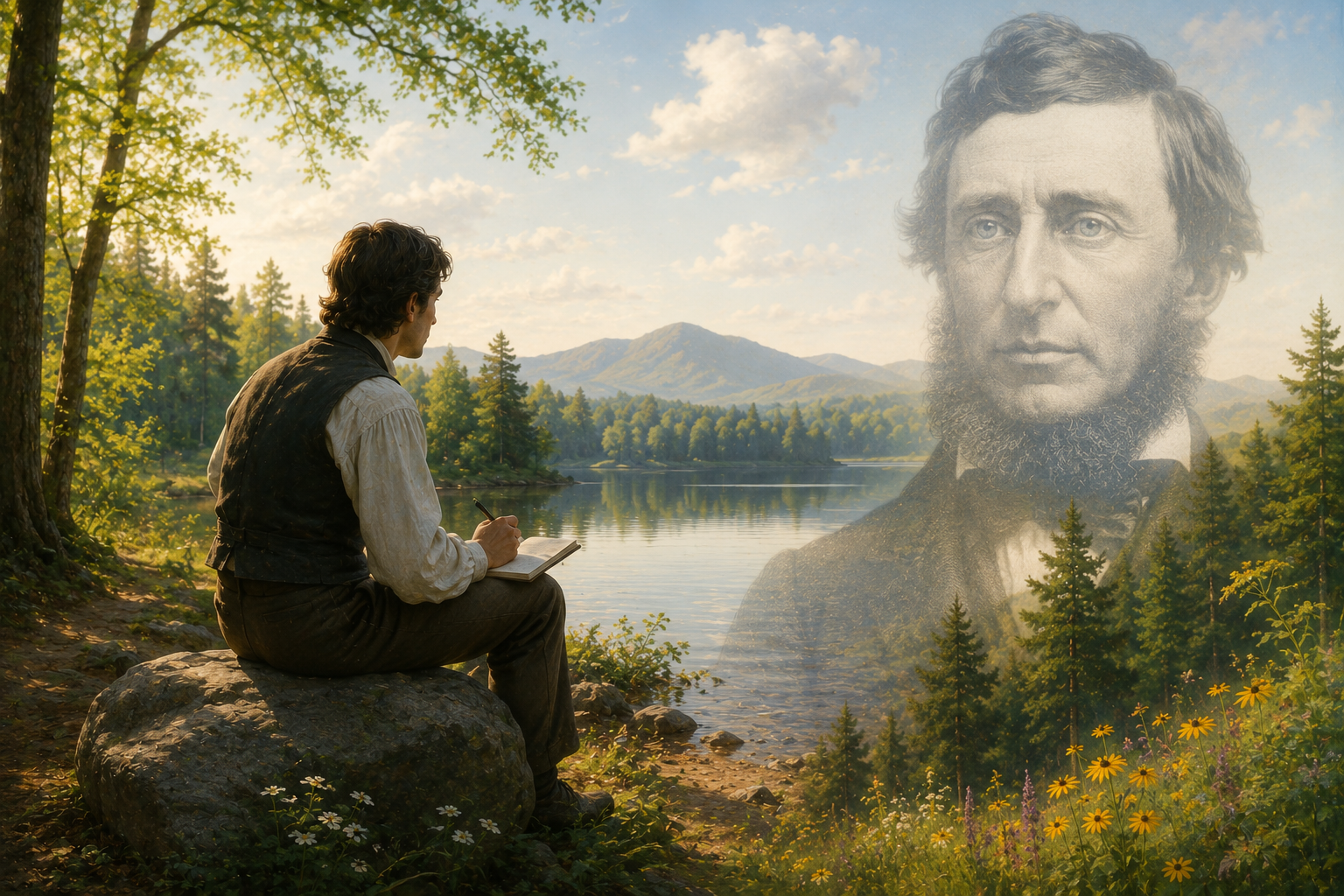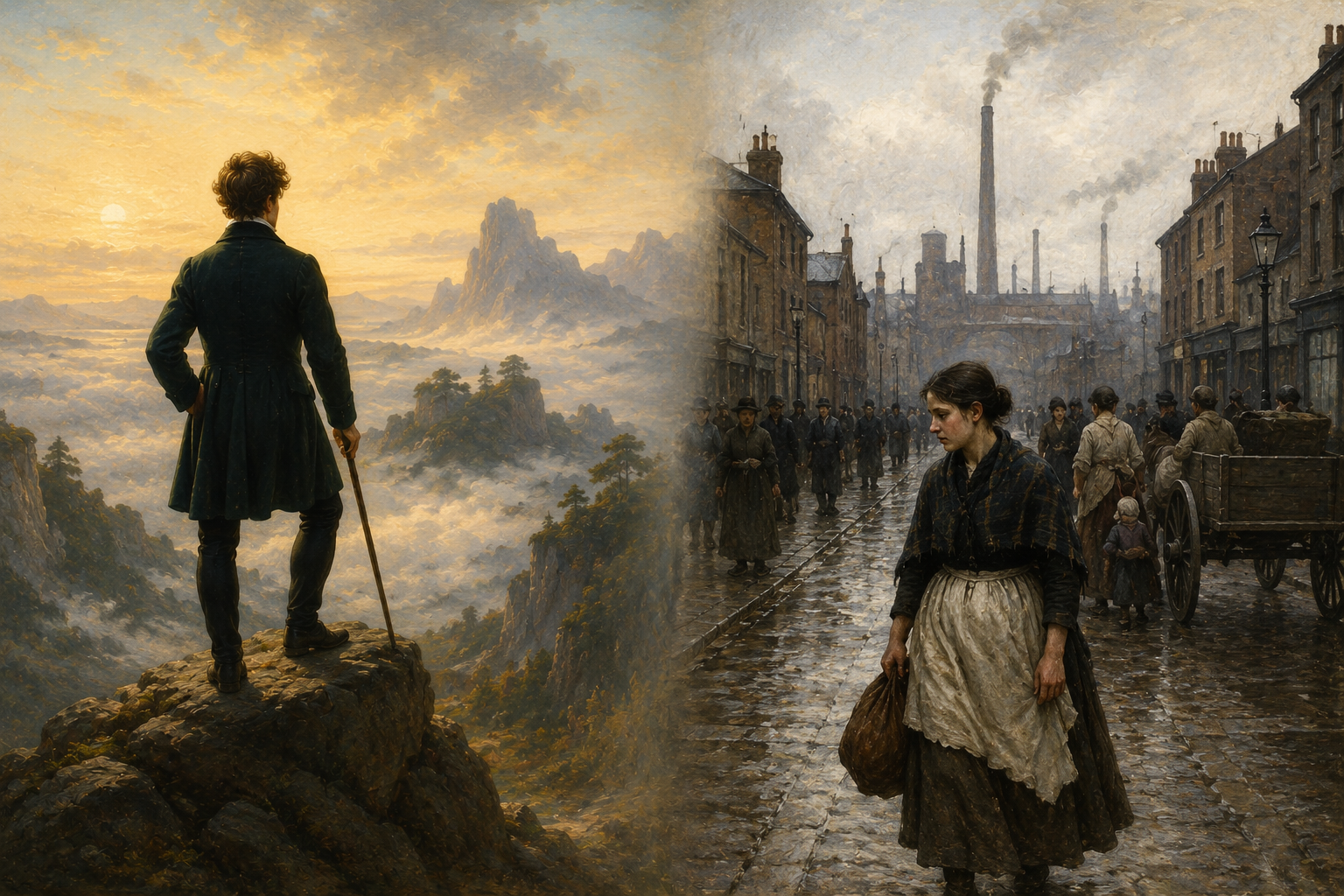
Major Themes of Transcendentalism

Transcendentalism Themes

The Major Themes of Transcendentalism help explain some of the most important ideas in American literature. These themes show up in essays, poems, journals, and novels that ask readers to trust themselves, value nature, and question unfair rules.

If you are studying Emerson, Thoreau, or Whitman, this guide will help you understand the ideas behind the texts and use them in class essays.

In this Guide

  • What Transcendentalism means
  • The Major Themes of Transcendentalism
  • Key literary examples
  • How to study these themes
  • Books to read
  • FAQ
  • Key takeaway
Transcendentalism Themes

What Are the Major Themes of Transcendentalism?

Transcendentalism is a literary and philosophical movement that values the individual soul, nature, and inner truth.

It grew in New England during the 1800s. Writers like Ralph Waldo Emerson and Henry David Thoreau believed people could find deep truth beyond churches, schools, and government rules.

The Major Themes of Transcendentalism include self-reliance, nature, intuition, nonconformity, and spiritual connection. These ideas often appear together, so one text may explore more than one theme at the same time.

For a short background, you can read Britannica’s overview of Transcendentalism.

Major Themes of Transcendentalism: Individualism and Self-Reliance

Transcendentalist writers believed each person should trust their own mind and moral sense.

This theme is most clear in Ralph Waldo Emerson’s essay “Self-Reliance.” Emerson argues that people should not copy society just to fit in. He wants readers to listen to their inner voice.

For students, this theme often connects to questions like: Who am I? What do I believe? Am I brave enough to stand by my beliefs?

In literature, self-reliance does not mean selfishness. It means a person tries to live with honesty and courage, even when others disagree.

Major Themes of Transcendentalism: Nature as a Spiritual Teacher

Nature is not just a setting in Transcendentalist writing. It is a source of wisdom.

In Emerson’s “Nature,” the natural world helps people feel closer to truth and beauty. Emerson sees nature as a place where the soul can wake up.

Thoreau’s Walden gives another strong example. Thoreau moves to Walden Pond to live simply and learn from the land around him.

When you read Transcendentalist texts, notice how forests, ponds, stars, and seasons shape the writer’s thoughts. Nature often helps a character or speaker see life more clearly.

Major Themes of Transcendentalism: Intuition Over Social Rules

Transcendentalists believed inner truth could be stronger than outside authority.

Intuition means a deep inner sense of what is true or right. Transcendentalist writers often place this inner feeling above tradition, law, or public opinion.

This idea can feel bold. It asks readers to think about where truth comes from. Does it come from society, or can it come from the individual soul?

In Emerson’s writing, intuition is not a random guess. It is a serious trust in the spirit and mind.

Major Themes of Transcendentalism: Nonconformity and Moral Courage

To be a nonconformist means to reject pressure to act like everyone else.

Thoreau’s essay “Civil Disobedience” is a major example. He argues that people should not support unjust laws. If the government does something wrong, the individual has a duty to resist.

This theme matters because it links literature to real life. Thoreau’s ideas later influenced leaders such as Mahatma Gandhi and Martin Luther King Jr.

For students, nonconformity is a useful theme to track in essays. Ask what rule the writer questions and why that rule matters.

Major Themes of Transcendentalism: The Oversoul and Human Connection

Many Transcendentalists believed all people share a deeper spiritual bond.

Emerson called this idea the “Oversoul.” He believed each person is part of a larger spiritual reality.

This theme can seem abstract, but the basic idea is simple. People are not fully separate from each other or from nature. Life is connected at a deeper level.

Walt Whitman’s poetry often reflects this idea. In “Song of Myself,” Whitman celebrates the self, but he also connects that self to other people and the world.

You can learn more about Emerson through the Poetry Foundation profile of Ralph Waldo Emerson.

Major Themes of Transcendentalism in Key Works

The best way to understand a theme is to see how it works inside a real text.

You can see the Major Themes of Transcendentalism in Emerson’s “Self-Reliance.” The essay centers on individual thought, personal courage, and trust in the self.

In Walden, Thoreau uses daily life near a pond to explore simplicity, nature, and freedom. His quiet life becomes a test of what people truly need.

In “Civil Disobedience,” Thoreau turns Transcendentalist ideas toward politics. He asks readers to choose conscience over comfort.

Whitman’s “Song of Myself” expands the focus from one person to all humanity. His speaker feels large, free, and linked to the living world.

If you need help spotting these ideas in a text, use this guide on how to identify theme in literature.

How to Study the Major Themes of Transcendentalism

When you study Transcendentalism, focus on the choices, beliefs, and conflicts in the text.

Start by asking what the writer values most. Is it freedom? Nature? Inner truth? Once you find that value, look for proof in the text.

When you study the Major Themes of Transcendentalism, pay close attention to repeated words. Emerson often repeats ideas tied to trust, truth, and the self.

Thoreau often uses details about simple living. These details show his belief that people can live better with less.

For essays, connect the theme to a clear claim. Do not just say a text “shows nature.” Say what the text argues about nature.

For example: “In Walden, Thoreau presents nature as a teacher because life at the pond helps him reject materialism and seek truth.”

Why the Major Themes of Transcendentalism Still Matter

These ideas still feel fresh because students face many of the same questions today.

Modern readers still ask how to stay true to themselves. They still wonder when to follow rules and when to challenge them.

The Major Themes of Transcendentalism also connect to current debates about mental health, the environment, and personal freedom. A walk in nature, a break from noise, or a brave choice can feel very Transcendentalist.

This is why the movement still appears in classrooms. Its ideas are old, but the questions are not.

Common Symbols in Transcendentalist Literature

Symbols help writers turn big ideas into clear images.

Nature is the most common symbol. A pond may stand for peace, self-knowledge, or spiritual truth.

Light often suggests insight. When a speaker describes sunlight, stars, or a bright sky, the text may point to a moment of understanding.

The road or path can suggest personal choice. A character who walks alone may show self-reliance or nonconformity.

As you read, do not stop at naming the symbol. Ask what the symbol teaches the reader about the theme.

Books to Find on Amazon or at Your Library

These books are useful for students who want to read the movement in its own words.

  • Walden by Henry David Thoreau
  • Nature and Selected Essays by Ralph Waldo Emerson

These works are often available in student editions with notes. Notes can help with older language, but try to read key passages on your own first.

FAQ About the Major Themes of Transcendentalism

Here are quick answers to common student questions.

What are the Major Themes of Transcendentalism?

The Major Themes of Transcendentalism are self-reliance, nature, intuition, nonconformity, and spiritual connection.

Who are the main Transcendentalist writers?

Ralph Waldo Emerson and Henry David Thoreau are the most famous. Walt Whitman is often linked to the movement because his poetry shares many of its ideas.

Is Transcendentalism a religious movement?

It is spiritual, but it is not tied to one church. Transcendentalists believed truth could be found through the soul, nature, and personal insight.

Why do students study Transcendentalism?

Students study it because it shaped American literature and thought. It also raises questions about freedom, conscience, and how to live well.

Key Takeaway

The Major Themes of Transcendentalism teach readers to trust the self, respect nature, and question rules that block truth or justice. If you can explain how a text develops these ideas, you are ready to write about Transcendentalism with confidence.
Symbols in A Thousand Splendid Suns: What They Mean and Why They Matter

Splendid Suns

In Khaled Hosseini’s novel, the symbols in A Thousand Splendid Suns help readers see pain, hope, and survival in clear images. This guide explains symbols in A Thousand Splendid Suns with concrete examples and theme links, so you can use them in class discussion or an essay.

In this Guide

  • Why symbols matter in the novel
  • Suns and light
  • The kolba
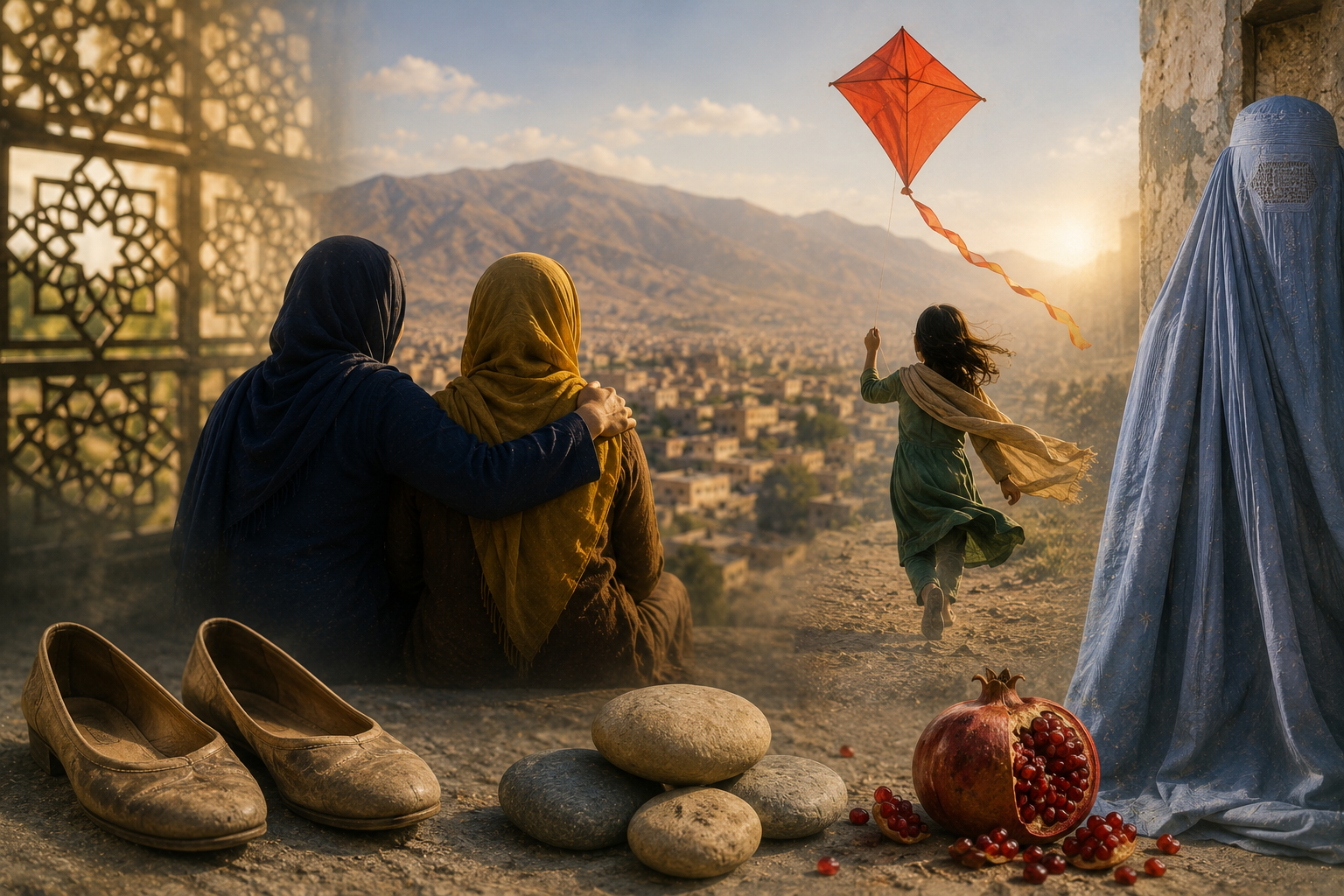
  • The burqa
  • Pebbles
  • Stories like Pinocchio and Titanic
  • Kabul as a symbol
  • How to write about these symbols
  • FAQ
Splendid Suns

Why symbols in A Thousand Splendid Suns matter

Symbols turn private pain into visible images.

A symbol is an object, place, image, or action that means more than itself. In this novel, symbols help us understand how Mariam and Laila survive loss, fear, and unfair rules.

Think of the green light in The Great Gatsby. It is a real light, but it also stands for Gatsby’s dream. In a similar way, the symbols in A Thousand Splendid Suns point to deeper themes like love, shame, freedom, and home.

If you want a simple method for spotting symbols, read our guide on how to find symbolism in a story.

Symbols in A Thousand Splendid Suns: suns and light

The title points to beauty that survives harm.

The title comes from a poem about Kabul by the poet Saib Tabrizi. The phrase suggests that Kabul has a beauty no war can fully erase.

In the novel, the image of many suns also connects to women. Mariam and Laila suffer under cruel systems, yet they create warmth for each other. Their love becomes a kind of light.

This symbol links to the theme of hope under pressure. Hosseini does not pretend pain disappears. He shows that dignity can still shine in dark places.

The kolba: shame, exile, and a first home

The kolba shows how shame can be built into a place.

Mariam grows up with Nana in a small hut outside Herat. The location matters. Mariam is kept away from Jalil’s public life, which reflects how society treats her as unwanted.

Yet the kolba is not only a symbol of rejection. It is also Mariam’s first home. It holds her early memories, her lessons, and her longing to be loved.

This symbol connects to the theme of social shame. Mariam does not choose the label placed on her, but she is forced to carry it.

Symbols in A Thousand Splendid Suns: the burqa

The burqa is both a prison and a cover.

When Rasheed makes Mariam wear a burqa, it becomes a sign of control. It hides her face and limits how the world sees her.

At the same time, the burqa can offer safety in public. This does not make it simple or harmless. It shows how women in the novel must survive inside unfair rules.

This symbol links to the theme of oppression and survival. Like the clothing rules in Margaret Atwood’s The Handmaid’s Tale, dress becomes a way to control identity.

Pebbles as symbols of family and belonging

Pebbles make love and exclusion easy to see.

As a child, Mariam uses pebbles to picture Jalil’s family and her own place near it. The small stones show her wish to belong.

Pebbles are plain objects, but they carry deep feeling. They show that Mariam does not want wealth or status as much as she wants to be claimed as a daughter.

This symbol connects to the theme of family as both wound and comfort. The pebbles show how a child can turn hope into something she can touch.

Stories as symbols: Pinocchio and Titanic

The stories in the novel show the power of escape and the pain of false promises.

Pinocchio matters because Jalil promises to take Mariam to the film. When he fails her, that story becomes tied to betrayal.

Pinocchio wants to become real. Mariam also wants to be treated as real by her father, not hidden away as a mistake.

Titanic becomes popular in Kabul during a time of danger and hardship. The film offers a dream of romance and escape, even as people face fear in daily life.

These symbols in A Thousand Splendid Suns connect to the theme of dreams under harsh conditions. Stories do not save the characters by themselves, but they help them imagine another life.

Kabul as a symbol of home and loss

Kabul is more than a setting; it becomes a wounded symbol.

The city changes across the novel. It holds beauty, memory, and culture, but it also suffers from war and political violence.

Because the title praises Kabul’s splendor, the city stands for more than destruction. It represents a country with a past, a spirit, and people who keep going.

For helpful background on the author, see this Britannica profile of Khaled Hosseini. For a broader look at literary symbolism, Britannica also has a useful page on Symbolism as a literary movement.

How to write about symbols in A Thousand Splendid Suns

Strong essays explain what a symbol does, not just what it is.

Do not stop at saying, The burqa is a symbol. Ask what it reveals about power, fear, or survival.

A good sentence might say: The burqa symbolizes control because Rasheed uses it to limit Mariam’s identity, yet it also shows how women learn to protect themselves in public spaces.

When you write about symbols in A Thousand Splendid Suns, link each image to a theme. That will make your essay clearer and more persuasive.

For more practice, use this symbolism reading strategy. You can also explore RapidReads Press literature study resources for help with essay planning.

Relevant books to look up on Amazon or at your library

These books pair well with Hosseini’s novel for theme and symbolism study.

  • A Thousand Splendid Suns by Khaled Hosseini
  • The Kite Runner by Khaled Hosseini
  • The Handmaid’s Tale by Margaret Atwood

FAQ: symbols in A Thousand Splendid Suns

Quick answers can help you review before class or an essay.

What are the main symbols in A Thousand Splendid Suns?

The main symbols in A Thousand Splendid Suns include suns and light, the kolba, the burqa, pebbles, stories, and Kabul itself.

What does the title symbolize?

The title symbolizes Kabul’s beauty and the strength of women who keep hope alive in hard times.

What does the burqa symbolize in the novel?

The burqa symbolizes control, hidden identity, and survival inside a society that limits women’s freedom.

Why are pebbles important?

Pebbles symbolize Mariam’s deep wish for family, belonging, and love from her father.

How can I use symbolism in an essay?

Choose one symbol, explain where it appears, then connect it to a theme such as hope, shame, or oppression.

Key Takeaway

The best way to read symbols in A Thousand Splendid Suns is to connect each image to human feeling.

The suns, the kolba, the burqa, and the pebbles all show how people search for love and dignity in a painful world.

What Is Transcendentalism? A Beginner-Friendly Literary Guide

transcendentalism

If you have read Emerson, Thoreau, or Walt Whitman, you have already met one of the boldest ideas in American literature. So, What Is Transcendentalism? It is a way of thinking that says people can find truth through nature, personal insight, and trust in the self.

For students, this movement can seem abstract at first. Once you know the main ideas, it becomes much easier to spot in poems, essays, and novels.

In this Guide

transcendentalism

What Is Transcendentalism? A Simple Definition

Transcendentalism is the belief that truth can go beyond reason, rules, and society.

A good answer to What Is Transcendentalism? starts with one main idea: people should trust their own inner voice. Transcendentalist writers believed that humans are naturally good and that society often pushes them away from that goodness.

The movement grew in the United States in the 1800s. It was linked to writers in New England, especially Ralph Waldo Emerson and Henry David Thoreau.

Transcendentalists did not reject thinking. They just believed that logic was not the only path to truth. Nature, conscience, and personal experience mattered too.

What Is Transcendentalism? Key Beliefs to Know

The movement centers on trust in the self and a deep respect for nature.

Transcendentalist writing often includes a few major beliefs:

  • Self-reliance: People should trust their own judgment.
  • Nature as a teacher: The natural world can reveal spiritual truth.
  • Nonconformity: Society should not control a person’s soul.
  • Inner goodness: Humans are born with moral potential.
  • Simple living: A less crowded life can lead to clearer thought.

These ideas show up in both essays and poems. A speaker may walk in the woods, question social rules, or claim that the individual soul has power.

That is why What Is Transcendentalism? is not just a history question. It is also a reading question.

What Is Transcendentalism? Why It Matters in Literature

Transcendentalism changed how American writers wrote about the self.

Before this movement, much formal writing stressed tradition, order, and outside authority. Transcendentalist writers shifted attention to the individual mind.

When a teacher asks What Is Transcendentalism?, they often want you to see how a text treats freedom. Does the writer trust society, or does the writer trust the person who stands apart from it?

This matters in literature because many characters face that same conflict. They must decide whether to obey the world around them or follow what they believe is right.

For help with that kind of close reading, you may also like this guide on how to read literature like a scholar.

What Is Transcendentalism? Examples in Famous Texts

The best way to understand the movement is to see it in action.

Ralph Waldo Emerson’s essay Nature is one of the clearest examples. Emerson presents nature as a place where people can feel closer to truth and to the divine.

In Self-Reliance, Emerson argues that people should trust themselves instead of copying others. His famous idea is simple: your own mind matters.

Henry David Thoreau’s Walden shows Transcendentalism through action. Thoreau lives near Walden Pond to test a simpler life and learn from nature.

Walt Whitman’s poem Song of Myself also connects to the movement. Whitman celebrates the self, the body, and the spiritual value of everyday life.

If someone asks What Is Transcendentalism? during a class talk, these texts are strong examples to mention.

What Is Transcendentalism? How to Spot It as You Read

Look for moments when a writer values inner truth over public approval.

As you read, ask a few simple questions. Does the speaker turn to nature for wisdom? Does a character reject social pressure? Or does the text praise independence?

You can also watch for images of forests, ponds, stars, and open fields. In Transcendentalist writing, nature often feels alive with meaning.

A practical tip: underline any line where the speaker talks about the self, the soul, or the natural world. Then ask how that line challenges society’s rules.

Books to Look For on Amazon or at Your Library

These works are useful starting points for students.

  • Nature and Selected Essays by Ralph Waldo Emerson
  • Walden and Civil Disobedience by Henry David Thoreau

These books are often assigned in high school, AP Literature, and college courses. They are also short enough to read in sections.

Helpful External Resources

Use trusted sources when you want more context.

FAQ: What Is Transcendentalism?

Here are quick answers to common student questions.

What Is Transcendentalism? in one sentence?

Transcendentalism is a literary and philosophical movement that values nature, intuition, and trust in the individual self.

Who are the main Transcendentalist writers?

The most famous writers are Ralph Waldo Emerson and Henry David Thoreau. Walt Whitman is often linked to the movement because of his focus on the self.

Is Transcendentalism a religion?

Not exactly. It has spiritual ideas, but it is better understood as a philosophy and literary movement.

Why do students study Transcendentalism?

Students study it because it shaped American literature and helped define ideas about freedom, nature, and the individual.

Key Takeaway

The best answer to What Is Transcendentalism? is this: it is a belief that people can find truth by trusting themselves and paying close attention to nature. When you read, look for characters or speakers who choose inner truth over social pressure.

Themes in A Thousand Splendid Suns: A Student-Friendly Guide

thousand splendid Suns Themes

A clear guide to the major ideas, conflicts, and meanings students should notice in A Thousand Splendid Suns.

Themes in A Thousand Splendid Suns help students see how Khaled Hosseini turns a painful story into a deep study of love, power, and survival. This guide breaks down the novel’s major ideas in clear terms, so you can use them in class talks, essays, and AP Literature work.

In this Guide

  • Why the themes matter
  • Major themes in the novel
  • Family and sacrifice
  • Power and gender
  • Hope and survival
  • Symbols connected to theme
  • Essay tips
  • FAQ
thousand splendid Suns Themes

Why the themes in A Thousand Splendid Suns matter

Hosseini does not present theme as a simple lesson. He builds it through choices, suffering, small acts of courage, and the bond between Mariam and Laila.

Students often look for one main message. In this novel, the meaning grows from many conflicts at once. The private pain inside the home reflects the public violence outside it.

That is why the themes in A Thousand Splendid Suns work so well for essays. They connect character, setting, conflict, and historical context.

Major themes in A Thousand Splendid Suns

The novel’s main ideas center on love, oppression, endurance, and the cost of war.

Love as sacrifice is one of the clearest themes. Mariam learns that love is not only romance or family duty. It can mean giving up safety for someone else’s future.

Oppression and control shape the daily lives of women in the novel. Rasheed’s home becomes a place of fear, while laws outside the home add more limits.

Survival through connection also matters. Mariam and Laila do not begin as allies. Over time, their bond helps them face a world built to silence them.

The themes in A Thousand Splendid Suns are not separate boxes. They overlap, which makes the novel feel real and emotionally powerful.

How family shapes themes in A Thousand Splendid Suns

Family in the novel can wound, but it can also heal.

Mariam’s early life teaches her shame and rejection. Her father hides her from his public life, and that rejection shapes how she sees herself.

Laila’s family gives her a different start. Her father values education and hope. His love helps her imagine a life beyond war, even when that dream seems lost.

Mariam and Laila later create a chosen family. This bond is not based on blood. It is built on trust, care, and shared pain.

In these themes in A Thousand Splendid Suns, family becomes more than a social unit. It becomes a source of identity and moral choice.

Power, gender, and silence

The novel shows how power can control bodies, voices, and futures.

Rasheed uses gender roles to justify abuse. He treats obedience as a duty and silence as proof of respect. The novel asks readers to see how dangerous that thinking is.

Hosseini also shows that control is not only personal. Political rule affects what women can wear, where they can go, and what they can learn.

This theme connects well to works like Margaret Atwood’s The Handmaid’s Tale. Both novels show how systems can turn women’s lives into sites of control.

For historical background, students may find Britannica’s overview of Afghanistan helpful when studying the novel’s setting.

Hope and survival under pressure

Hope in the novel is not easy or bright all the time. It often appears as a small act that keeps a person alive.

Laila’s hope connects to education, love, and the future of her children. Mariam’s hope changes over time. She begins with a desire to be loved, then finds meaning in protecting Laila.

This is one reason the novel feels so painful but not hopeless. It shows that survival can mean more than staying alive. It can mean keeping dignity when the world tries to take it away.

Readers may think of Night by Elie Wiesel here. Both books show people under extreme pressure, yet both ask what remains of human dignity when everything else is stripped away.

Symbols and themes in A Thousand Splendid Suns

Symbols help Hosseini make the novel’s ideas more visible.

The title comes from a poem about Kabul, which points to beauty hidden beneath suffering. Kabul is not only a war-torn city. It is also a home, a memory, and a place worth saving.

The burqa can symbolize both forced silence and social control. Yet the meaning depends on the scene. In literature, a symbol can shift as the story changes.

When you study themes in A Thousand Splendid Suns, watch how objects and places repeat. If you need extra help, read our guide on how to find symbolism in a story.

War, place, and personal life

Hosseini shows that history is not distant. It enters kitchens, bedrooms, schools, and streets.

War shapes Laila’s losses and limits her future. It also changes Kabul from a place of childhood hope into a place of fear.

The novel does not treat war as background noise. It makes war part of the plot, the setting, and the emotional weight of the story.

For more context on women’s rights issues linked to conflict, students can explore UN Women.

How to write about themes in A Thousand Splendid Suns

A strong theme essay needs a clear claim, not just a topic.

Instead of writing, the novel is about love, try a sharper idea: Hosseini shows that love becomes most powerful when it turns into sacrifice.

A strong essay about themes in A Thousand Splendid Suns should connect theme to character change. Mariam is the best example because her view of herself changes so much.

Use short quotes and explain them closely. Do not drop a quote and move on. Show how the words reveal power, fear, hope, or love.

If you want extra support for class prep, explore our student literature guide resources.

Book suggestions for deeper study

These books pair well with Hosseini’s novel and can help students compare theme across texts.

  • The Kite Runner by Khaled Hosseini
  • Persepolis by Marjane Satrapi

FAQ: Themes in A Thousand Splendid Suns

What are the main themes in A Thousand Splendid Suns?

The main themes in A Thousand Splendid Suns include sacrifice, oppression, survival, family, and hope. The novel shows how people endure pain through love and courage.

What is the most important theme in the novel?

Sacrifice may be the most important theme. Mariam’s final choice gives the novel much of its emotional force.

How does Hosseini show women’s strength?

He shows strength through endurance, loyalty, and moral action. Mariam and Laila resist in quiet but powerful ways.

Why is Kabul important to the themes?

Kabul reflects loss and beauty at the same time. The city helps show how personal lives are shaped by history.

Key Takeaway

The deepest insight in A Thousand Splendid Suns is that love can survive fear, and it can give people the strength to act when hope seems almost gone.

Romanticism vs Realism Explained

Romanticism vs Realism

If you have ever mixed up Romanticism and Realism, you are not alone. Romanticism vs Realism Explained can help you spot what a writer values, how a story works, and what kind of world the text wants you to see.

This guide breaks the difference down in plain language, with clear examples from famous literature.

In this Guide

  • The simple difference between the two movements
  • What Romanticism values
  • What Realism values
  • Major themes to compare
  • Examples from literature
  • How to use the difference in analysis
  • Common mistakes to avoid
  • Suggested books
  • FAQ
Romanticism vs Realism

Romanticism vs Realism Explained: The Simple Difference

Romanticism focuses on emotion, imagination, nature, and the inner life.

Realism focuses on ordinary life, social problems, believable people, and the world as it is.

At its heart, Romanticism vs Realism Explained means this: Romantic writers often ask, “What does the soul feel?” Realist writers often ask, “What is life really like?”

Romanticism tends to lift life into something intense or mysterious. Realism tends to pull life back down to daily choices, money, work, class, family pressure, and moral limits.

What Romanticism Values

Romanticism began as a reaction against strict reason and social control.

Romantic writers believed that deep feeling could reveal truth. They often valued the individual, especially the person who feels trapped by society.

Nature also matters a lot in Romantic writing. A mountain, storm, forest, or lake can reflect a character’s mind.

In Mary Shelley’s Frankenstein, Victor’s ambition feels larger than normal life. The novel explores mystery, fear, creation, guilt, and isolation. Those are all strong Romantic concerns.

Romantic poetry gives clear examples too. William Wordsworth often treats nature as a source of wisdom. Percy Bysshe Shelley and John Keats use beauty, imagination, and longing to explore human experience.

For a useful overview of the movement, see the Poetry Foundation’s page on Romanticism.

What Realism Values

Realism grew stronger in the 1800s as writers turned toward everyday life.

Realist writers often show people dealing with money, marriage, work, class, and social rules. Their characters may dream, but the world usually pushes back.

Realism does not mean boring. It means the writer tries to make events feel possible and human.

In Gustave Flaubert’s Madame Bovary, Emma wants a grand romantic life. But the novel shows how fantasy, debt, and social pressure shape her choices.

George Eliot’s Middlemarch also fits Realism. It studies marriage, ambition, politics, and moral growth in a small English town.

Britannica offers helpful background on Realism as a wider artistic movement.

Romanticism vs Realism Explained Through Major Themes

The two movements often treat the same topics in very different ways.

Love is a good example. In Romanticism, love may feel powerful, spiritual, or tragic. In Realism, love is often tied to money, status, family approval, and daily habits.

Nature also changes meaning. Romantic writers often see nature as alive with feeling. Realist writers may use nature as setting, but they usually focus more on human society.

The hero is different too. Romantic heroes can seem lonely, intense, gifted, or misunderstood. Realist characters tend to feel more ordinary, with flaws that come from real social life.

When you use Romanticism vs Realism Explained in class, ask what the text seems to trust more: inner feeling or outer reality.

Romanticism vs Realism Explained with Literature Examples

Examples make the difference much easier to see.

In Frankenstein, the story is full of wild landscapes, emotional extremes, and questions about the limits of human power. Victor does not just make a scientific mistake. He crosses a moral and spiritual line.

That is why Romanticism vs Realism Explained helps with Shelley’s novel. The book cares about imagination, fear, ambition, and the hidden cost of desire.

Now compare that with Madame Bovary. Emma also wants a life full of passion and beauty. But Flaubert shows how her dreams clash with ordinary life.

The Realist style makes Emma’s world feel sharp and specific. Her choices have social and financial costs. The novel does not rescue her with fantasy.

You can also compare Romantic poetry with Realist fiction. Wordsworth may turn a walk in nature into a moment of spiritual insight. Eliot may turn a dinner conversation into a study of class, pride, and moral weakness.

How to Use Romanticism vs Realism Explained in Essays

The best analysis does more than label a text.

Do not just write, “This work is Romantic” or “This work is Realist.” Explain how the style shapes meaning.

For Romanticism, look for intense emotion, symbolic nature, mystery, rebellion, and the power of the imagination.

For Realism, look for social detail, believable dialogue, ordinary settings, and pressure from money or class.

A strong essay might say: “Shelley uses Romantic elements to show that Victor’s imagination is both powerful and dangerous.”

A Realist analysis might say: “Flaubert uses detailed social scenes to show that Emma’s fantasies cannot survive the limits of her real world.”

If you want a deeper way to build literary arguments, read how to read literature like a scholar.

Common Mistakes Students Make

One common mistake is thinking Romanticism only means love stories.

In literature, Romanticism is much wider than romance. It deals with emotion, nature, imagination, freedom, and the self.

Another mistake is thinking Realism has no emotion.

Realist novels can be deeply emotional. The difference is that emotion appears inside a believable social world.

Students also sometimes treat movements as strict boxes. Many works mix styles. A novel can have Romantic themes and Realist details.

That is why Romanticism vs Realism Explained works best as a tool, not a rulebook.

Suggested Books to Read

These books are useful if you want to see the contrast for yourself. You can search for them on Amazon, at a local bookstore, or through your library.

  • Frankenstein by Mary Shelley
  • Madame Bovary by Gustave Flaubert

Frankenstein is a strong Romantic text because it explores ambition, nature, terror, and isolation.

Madame Bovary is a strong Realist text because it studies social pressure, desire, debt, and disappointment in daily life.

FAQ: Romanticism vs Realism Explained

What is the main difference between Romanticism and Realism?

Romanticism focuses on emotion, imagination, and the inner life. Realism focuses on ordinary life, social detail, and believable experience.

Is Romanticism only about love?

No. Romanticism can include love, but it also explores nature, freedom, mystery, rebellion, and the power of feeling.

Is Realism the same as being depressing?

No. Realism can be sad, funny, sharp, or hopeful. Its main goal is to show life in a believable way.

Can one book be both Romantic and Realist?

Yes. Many works mix elements. A novel may use Romantic emotion while also showing Realist social detail.

Key Takeaway

Romanticism vs Realism Explained comes down to focus: Romanticism looks inward toward feeling and imagination, while Realism looks outward toward society and daily life. Use that difference to explain how a text creates meaning, not just to name its style.

The Kite Runner Character Analysis: Key People, Motivations, and Conflicts

Kite Runner characters

A practical breakdown of the main characters and how their choices shape the story.

A strong The Kite Runner character analysis starts with choices. In Khaled Hosseini’s novel, shame, love, fear, and loyalty pull people in different directions.

This guide is built for students who need clear points for discussion posts, essays, and quote-based analysis.

Kite Runner characters

In this Guide

  • Why character matters in the novel
  • Amir’s guilt and growth
  • Hassan’s loyalty and moral force
  • Baba’s pride and hidden shame
  • Rahim Khan’s role as a guide
  • Assef and Soraya as conflict figures
  • Major conflicts to track
  • Essay tips and study resources

The Kite Runner character analysis: Why characters matter

Hosseini uses character choices to show how the past can shape a whole life.

Plot matters in The Kite Runner, but character drives the story. Amir’s silence, Baba’s secrets, and Hassan’s loyalty create the novel’s deepest pain.

A good The Kite Runner character analysis asks one main question: what does each person want, and what do they fear? That question helps you move past summary and into real interpretation.

If you want a broader method, our guide on how to analyze characters in literature can help you build stronger claims.

The Kite Runner character analysis of Amir

Amir is the narrator, but he is not always honest with himself.

Amir wants Baba’s love more than anything. This need makes him jealous of Hassan, who seems to receive Baba’s warmth without effort.

His greatest conflict is internal. After Hassan’s assault, Amir does not help him. He feels shame, but he also tries to push the shame away.

This is why Amir is a complex character. He is not a simple hero or villain. He hurts someone who loves him, then spends years trapped by guilt.

Amir’s arc is about repair. He cannot erase what happened, but he can choose courage later. His trip back to Afghanistan gives him a chance to act when action costs him something.

In this way, Amir is like Macbeth in one key sense: guilt changes his life. The difference is that Macbeth moves deeper into harm, while Amir seeks a path toward atonement.

Hassan: Loyalty, innocence, and quiet strength

Hassan is one of the novel’s strongest moral centers.

Hassan’s famous loyalty to Amir is both beautiful and painful. He protects Amir, supports him, and trusts him even when Amir does not deserve that trust.

His line, “For you, a thousand times over,” shows love without demand. It also shows the unequal friendship between the boys.

A careful The Kite Runner character analysis should not treat Hassan as only a victim. He has courage, skill, patience, and deep emotional strength.

Hassan also reveals the injustice of the world around him. As a Hazara boy, he faces class and ethnic prejudice. His goodness makes that injustice feel even sharper.

Baba and Rahim Khan: Pride, guilt, and moral pressure

These older men shape Amir’s view of courage and truth.

Baba looks powerful, but he is not free from guilt. He judges lies harshly, yet he hides a major truth about Hassan. This makes him more human and more flawed.

Baba wants Amir to be brave, but he fails to see Amir clearly. His disappointment hurts Amir and feeds Amir’s need to prove himself.

In The Kite Runner character analysis, Baba works best as a study in contradiction. He is generous in public, but private shame shapes his home.

Rahim Khan serves a different role. He notices Amir’s talent and gives him the kindness Baba often withholds.

Later, Rahim Khan becomes the voice that calls Amir back to moral action. His message that “there is a way to be good again” gives the novel its clearest hope.

Assef and Soraya: Conflict outside and inside Amir

These characters show two very different kinds of pressure.

Assef is the novel’s clearest human threat. He represents cruelty, racism, and the desire to control others through fear.

He also forces Amir to face the past. When Amir confronts Assef as an adult, the scene becomes more than a fight. It becomes a test of whether Amir can finally protect someone weaker.

Soraya helps reveal another part of Amir. She has a past that people judge, yet she speaks about it with honesty.

Her honesty contrasts with Amir’s silence. She shows the kind of openness Amir fears, which makes her important to his growth.

The Kite Runner character analysis: Major conflicts to track

The novel’s conflicts work through shame, loyalty, and the search for redemption.

Amir vs. himself is the central conflict. His guilt follows him from Kabul to America and back again.

Amir vs. Hassan is painful because Hassan does not act like Amir’s enemy. The conflict comes from jealousy, class difference, and Amir’s fear of losing Baba.

Amir vs. Baba grows from unmet expectations. Baba wants a bold son, while Amir wants approval for who he already is.

Amir vs. Assef turns moral conflict into physical danger. Assef stands for the violence Amir once failed to challenge.

These conflicts make the novel useful for AP Literature and college essays. They connect character, setting, and theme without forcing the reader into a single answer.

How to use this The Kite Runner character analysis in essays

Strong essays do not just name traits. They prove how traits shape choices.

When you write The Kite Runner character analysis, start with a claim about motivation. For example: Amir’s desire for Baba’s approval leads him to betray Hassan, but that same guilt later pushes him toward redemption.

Then use a quote that shows the pressure behind the choice. After the quote, explain what the character gains, what the character loses, and why the moment matters.

For extra practice, you can use our character analysis practice guide as a planning tool before you draft.

Avoid writing only that a character is “good” or “bad.” Hosseini’s characters often carry both love and failure. That tension is where the best analysis begins.

Helpful resources for deeper study

Context can help you understand the novel’s world and the author’s background.

For reliable background on the author, see Britannica’s profile of Khaled Hosseini.

Books worth reading next:

  • The Kite Runner by Khaled Hosseini
  • How to Read Literature Like a Professor by Thomas C. Foster

FAQ

What is the main point of The Kite Runner character analysis?

The main point is to study how each character’s choices reveal guilt, loyalty, fear, and the need for redemption.

Who changes the most in The Kite Runner?

Amir changes the most. He begins as a fearful boy who avoids truth, then becomes someone who risks himself to protect Sohrab.

Is Hassan a flat or complex character?

Hassan is morally steady, but he is not flat. His loyalty, courage, and suffering give him deep emotional power.

Why is Baba important to Amir’s character?

Baba shapes Amir’s need for approval. His praise, silence, and secrets all affect Amir’s choices.

Key Takeaway

The best The Kite Runner character analysis shows that redemption is not simple. Hosseini’s characters prove that one choice can wound a life, but another choice can begin to heal it.

What Is Romanticism in Literature?

Romanticism in Literature

What Is Romanticism in Literature? A Beginner-Friendly Guide

If you have ever asked, “What Is Romanticism in Literature?”, you are asking about one of the most important movements in literary history. Romantic writers cared deeply about emotion, nature, imagination, and the power of the individual.

This guide explains Romanticism in clear terms, with examples that students often meet in class.

Romanticism in Literature

In this Guide

What Is Romanticism in Literature? A Clear Definition

Romanticism is a literary movement that began in the late 1700s and grew strong in the 1800s.

So, What Is Romanticism in Literature? In simple terms, it is a style of writing that values strong feelings, personal freedom, nature, mystery, and imagination.

Romantic writers often pushed back against strict rules. They did not want art to feel cold or overly logical. They wanted literature to feel alive.

For example, William Wordsworth wrote poems about common people and natural scenes. Mary Shelley used a strange science story in Frankenstein to ask deep questions about ambition and responsibility.

Why What Is Romanticism in Literature? Matters for Students

Romanticism changed what literature could do.

Before Romanticism, many writers valued order, reason, and social rules. Romantic writers shifted the focus toward the inner life of the individual.

This matters because many later novels and poems build on Romantic ideas. When a character feels trapped by society, searches for meaning in nature, or trusts emotion over logic, Romanticism may be part of the text.

If you want a stronger method for close reading, this guide on how to read literature like a scholar can help you notice patterns, symbols, and deeper meaning.

What Is Romanticism in Literature? Key Traits to Notice

Romantic literature has a few clear signs that show up again and again.

One major trait is emotion. Romantic writers often show fear, awe, grief, love, or wonder in intense ways.

Another key trait is nature. Nature is not just a background. It can heal, inspire, frighten, or reveal truth.

Romantic writers also value the individual. Their heroes may feel different from society. They may follow a private vision, even when others judge them.

The supernatural also matters. Ghosts, strange landscapes, dreams, and dark secrets often appear in Romantic works, especially Gothic Romantic texts.

When teachers ask, “What Is Romanticism in Literature?”, they often expect you to connect these traits to a text, not just define the term.

What Is Romanticism in Literature? Famous Examples

Examples make Romanticism easier to understand.

In Frankenstein by Mary Shelley, Victor Frankenstein tries to master life itself. The novel explores ambition, guilt, isolation, and the danger of ignoring moral limits.

In the poetry of William Wordsworth, nature often becomes a source of wisdom. His poems suggest that simple scenes can lead to deep insight.

In the poetry of John Keats, beauty and death often stand close together. His work shows how Romantic writers used rich images to explore human longing.

These works make the question “What Is Romanticism in Literature?” much easier to answer because they show Romantic ideas in action.

What Is Romanticism in Literature? Is It the Same as Romance?

Romanticism is not the same as a love story.

The word can confuse students because “romantic” often means love today. In literature class, Romanticism means a historical and artistic movement.

A Romantic text may include love, but it does not have to. It may focus on nature, freedom, imagination, or the struggle between the individual and society.

For example, Frankenstein is Romantic, but it is not mainly a romance. Its focus is on creation, loneliness, and moral failure.

How to Analyze Romanticism in a Text

Start with what the text values.

Ask whether the work praises emotion, imagination, nature, or personal freedom. Then look for moments where those values clash with rules, science, society, or control.

A helpful question is: What does this text trust more, the heart or the system?

You can also look for symbols. A storm may show inner conflict. A mountain may suggest awe. A lonely character may reflect the Romantic idea of the outsider.

For more background, the Poetry Foundation’s guide to Romanticism offers a clear overview of the movement. Britannica also has a useful entry on Romanticism in art and literature.

Books to Read Next

If you want to understand Romanticism better, try these books. You can find them in libraries, bookstores, or on Amazon.

  • Frankenstein by Mary Shelley
  • Lyrical Ballads by William Wordsworth and Samuel Taylor Coleridge

Both books help answer “What Is Romanticism in Literature?” because they show emotion, imagination, and nature at the center of the work.

FAQ: What Is Romanticism in Literature?

What Is Romanticism in Literature? in one sentence?

Romanticism is a literary movement that values emotion, imagination, nature, and individual freedom.

When did Romanticism happen?

Romanticism began in the late 1700s and became a major force in the 1800s.

Is Romanticism only about love?

No. Romanticism can include love, but it is more about feeling, nature, imagination, and personal experience.

Is Frankenstein a Romantic novel?

Yes. Frankenstein uses Romantic ideas such as ambition, isolation, nature, and the danger of unchecked power.

How can I spot Romanticism in a poem?

Look for strong emotion, vivid nature, mystery, and a speaker who values personal experience.

Key Takeaway

What Is Romanticism in Literature? It is a movement that puts feeling, imagination, nature, and the individual at the heart of writing.

Practical tip: when you read a Romantic text, ask what the writer wants you to feel and what the natural world reveals about the character’s inner life.

Themes in The Kite Runner: A Student-Friendly Guide

kite runner themes

The Kite Runner is a powerful novel about guilt, love, and the hard work of repair. This guide explains the major themes in The Kite Runner so students can read the story with more confidence and write stronger essays.

This article contains affiliate links.

In this Guide

kite runner themes

Why the Themes in The Kite Runner Matter

The novel asks readers to think about what people owe to those they have hurt.

The themes in The Kite Runner matter because the story is not only about Amir’s childhood. It is also about how one choice can echo across a whole life.

Khaled Hosseini sets personal pain against political change in Afghanistan. You can learn more about the author through Britannica’s profile of Khaled Hosseini.

For students, the key is to connect each theme to character choice. Amir’s actions reveal the novel’s deepest questions about fear, courage, and repair.

Guilt and Redemption in The Kite Runner

Guilt drives much of the novel’s plot, but redemption gives it shape.

Amir feels guilt because he does not help Hassan during a traumatic assault. He also lies afterward, which deepens the harm.

This guilt does not fade with time. Even after Amir moves to America, his past follows him.

The phrase “There is a way to be good again” becomes one of the novel’s most important ideas. It suggests that redemption is possible, but it is not easy or quick.

In this way, the novel resembles Macbeth, where guilt damages the mind. The difference is that Amir seeks a path back, while Macbeth sinks deeper into violence.

Betrayal and Loyalty

The novel shows how betrayal can break trust, even when love is still present.

Hassan is loyal to Amir, often at great cost to himself. His famous line, “For you, a thousand times over,” shows devotion that Amir does not yet know how to return.

Amir betrays Hassan through silence. Later, he betrays him again by framing him for theft.

These moments make the friendship painful to read. The novel asks whether love matters if it does not lead to action.

Many themes in The Kite Runner become clear through this broken friendship. Loyalty is not just a feeling. It must show up when it matters most.

Fathers, Sons, and Emotional Inheritance

The father-son conflict shapes Amir’s view of himself.

Amir wants Baba’s love, but he feels he can never earn it. Baba values bravery, while Amir sees himself as weak.

This hurt affects how Amir treats Hassan. He often competes for Baba’s attention instead of seeing Hassan as a true friend.

Baba also carries secrets. His choices show that parents can pass down shame as well as love.

Like Hamlet, this novel connects family pressure to moral choice. Sons live in the shadow of fathers, but they must still decide who they will become.

Class, Ethnicity, and Power in Afghanistan

The novel shows how social systems can make cruelty seem normal.

Amir is Pashtun, while Hassan is Hazara. This difference shapes their lives from the start.

Even though the boys grow up together, they do not hold equal power. Hassan serves in Amir’s home, and society treats him as lower.

This theme helps explain why Amir can excuse his own behavior for so long. The world around him teaches him that Hassan’s pain counts less.

Students may compare this to To Kill a Mockingbird, where social injustice affects how people see truth. Both novels show that prejudice can hide inside everyday life.

Memory, Storytelling, and the Past

Amir tells the story because he cannot escape the past.

The novel begins with memory. Amir looks back on a winter day that changed everything.

Storytelling becomes a way to face what he once avoided. By telling the truth, Amir starts to understand his own guilt.

This is one reason the themes in The Kite Runner work so well for essays. The plot moves forward, but the meaning often comes from looking backward.

Memory is not neutral in the novel. It hurts, but it also pushes Amir toward action.

Religion, Shame, and Moral Choice

Faith appears in the novel as both comfort and conflict.

Some characters use religion to seek meaning. Others use it to control or harm people.

The Taliban’s abuse of faith shows how power can twist moral language. The novel separates true goodness from public displays of righteousness.

Amir’s journey is not only about feeling sorry. He must make a moral choice when he returns to Afghanistan.

This makes shame different from redemption. Shame traps Amir in self-hatred, while redemption asks him to act.

How to Write About Themes in The Kite Runner

A strong theme paragraph connects an idea to a choice, a conflict, and a change.

To write about themes in The Kite Runner, avoid broad claims like “guilt is important.” Instead, explain how guilt changes Amir’s actions over time.

A better claim might be: Hosseini shows that redemption requires risk because Amir can only confront his guilt by protecting Sohrab.

Notice how that sentence names the theme and ties it to plot. It also shows change.

If you need help moving from plot summary to deeper analysis, use our guide on how to analyze characters in literature.

If you want extra support for class notes, you can also use a printable theme study guide to track quotes and evidence.

When students discuss themes in The Kite Runner, the best answers focus on cause and effect. Ask what a character wants, what blocks that desire, and what the choice reveals.

Relevant Books to Read Next

These books pair well with The Kite Runner because they explore memory, war, and moral courage.

  • A Thousand Splendid Suns by Khaled Hosseini
  • The Book Thief by Markus Zusak

FAQ: Themes in The Kite Runner

What are the main themes in The Kite Runner?

The main themes in The Kite Runner include guilt, redemption, betrayal, loyalty, and the effects of social power.

What is the most important theme in the novel?

Redemption is often seen as the central theme. Amir’s story asks whether a person can repair harm through honest action.

How does Hassan show loyalty?

Hassan shows loyalty through his words and actions. He protects Amir, even when Amir does not protect him.

Why is class important in the novel?

Class matters because Amir and Hassan do not have equal status. Their friendship is shaped by ethnic and social divisions.

How can I write a thesis about the novel’s themes?

Choose one theme and connect it to a character’s change. A clear thesis should explain what the novel teaches about that idea.

Key Takeaway

The themes in The Kite Runner show that the past cannot be erased, but people can still choose repair. For students, the strongest insight is this: redemption begins when guilt turns into action.

Books Like Fear and Anxiety: Literature That Makes Inner Fear Visible

Fear and Anxiety

Readers often search for Books Like Fear and Anxiety because they want stories that name what many people feel but struggle to explain. These books turn panic, dread, doubt, and stress into characters, symbols, and powerful scenes.

For students, these works can also make essays richer because they connect personal feeling with big literary themes.

In this Guide

  • What makes these books powerful
  • Classic novels about fear and anxiety
  • Modern books with anxious characters
  • Common symbols and themes
  • Recommended books to read
  • FAQs
Fear and Anxiety

What Makes Books Like Fear and Anxiety So Powerful?

These stories show how fear changes the way people see the world.

Books Like Fear and Anxiety matter because they do more than describe nervous feelings. They show how fear shapes choices, breaks trust, and makes ordinary places feel strange.

In literature, anxiety often appears as a locked room, a dark street, a storm, or a voice inside the mind. These symbols help readers understand feelings that are hard to say out loud.

That is why these books work well in high school and college classes. They give students a clear path into theme, mood, conflict, and character study.

Classic Books Like Fear and Anxiety for Students

Many classic works explore fear through guilt, isolation, and pressure.

One strong example is Crime and Punishment by Fyodor Dostoevsky. Raskolnikov’s fear does not only come from the police. It comes from his own mind after he commits murder.

His anxiety grows because he cannot escape himself. This makes the novel a powerful study of guilt and moral fear.

Another key example is Frankenstein by Mary Shelley. Victor Frankenstein fears the creature he made, but he also fears the truth about his own ambition.

The novel shows that fear often starts when a person refuses to face responsibility.

The Metamorphosis by Franz Kafka also belongs in any discussion of Books Like Fear and Anxiety. Gregor Samsa wakes as an insect, but the deeper horror is his family’s shame and rejection.

Kafka turns anxiety into a strange body. That image helps readers see how fear can make a person feel less than human.

Modern Books Like Fear and Anxiety Worth Reading

Modern stories often connect anxiety to identity, family, school, work, and social pressure.

The Bell Jar by Sylvia Plath is one of the most important modern novels about mental distress. Esther Greenwood feels trapped under an invisible weight.

The “bell jar” becomes a symbol of isolation. It shows how anxiety and depression can make the outside world feel distant and unreal.

Speak by Laurie Halse Anderson is another strong choice for students. Melinda’s silence shows how trauma can turn fear inward.

The novel uses art, school spaces, and voice as symbols. Each one helps show Melinda’s slow return to strength.

The Perks of Being a Wallflower by Stephen Chbosky also fits with Books Like Fear and Anxiety. Charlie’s letters reveal fear, memory, and loneliness in a direct, honest style.

These modern works help readers see that anxiety is not always loud. Sometimes it hides in silence, routine, or a smile.

Symbols and Themes in Books Like Fear and Anxiety

Writers often use symbols to make fear feel real on the page.

One common symbol is the house. In many stories, a house should mean safety. When the house feels unsafe, the reader senses deep emotional trouble.

In Edgar Allan Poe’s “The Fall of the House of Usher,” the house reflects the family’s decay and terror. You can learn more about Poe’s work through the Poetry Foundation’s page on Edgar Allan Poe.

Darkness is another common symbol. It may show confusion, danger, or the unknown.

Water can also point to anxiety. A flood, river, or deep sea may show a mind that feels out of control.

The strongest Books Like Fear and Anxiety often use setting as a mirror. The outside world reflects the character’s inner state.

Common themes include guilt, isolation, loss of control, and fear of change. These themes help readers connect private emotion to larger human problems.

How to Read Books Like Fear and Anxiety in Class

A careful reading can turn emotional scenes into strong analysis.

When you read Books Like Fear and Anxiety, start by asking what the main character fears most. Is it death, shame, failure, truth, or being alone?

Next, look for repeated images. A sound, color, room, or object may carry symbolic meaning.

Pay close attention to sentence style too. Short, broken sentences can create panic. Long, heavy sentences can make a scene feel trapped.

This same skill helps with poetry. If you want a clear method, read our guide on how to analyze poetry step by step.

Poems often use fear in a tight space. A single image can carry a whole emotional world.

These titles are strong choices for students who want literature with emotional depth.

  • The Bell Jar by Sylvia Plath
  • Frankenstein by Mary Shelley
  • Speak by Laurie Halse Anderson

Each book offers a different view of fear. One explores mental illness, one explores ambition and guilt, and one explores trauma and voice.

If you are building a reading list around Books Like Fear and Anxiety, these are useful starting points because they are widely taught and easy to discuss in essays.

Why Books Like Fear and Anxiety Matter in Literary Culture

These books help readers talk about feelings that society often hides.

Fear has always been part of literature. Ancient myths, Gothic novels, war stories, and modern school novels all use fear to ask serious questions.

What do people do when they lose control? How does guilt change a person? Can truth set someone free, or does it make life harder?

Books Like Fear and Anxiety stay popular because these questions never go away.

They also remind readers that fear is not a weakness. In many stories, fear becomes the first step toward honesty.

For background on Gothic fiction, which often explores dread and inner terror, Britannica offers a helpful overview of the Gothic novel.

FAQ: Books Like Fear and Anxiety

What are Books Like Fear and Anxiety usually about?

They are usually about fear, stress, guilt, trauma, or the feeling of being trapped. They often show how a character’s mind changes under pressure.

Are these books good for AP Literature essays?

Yes. Many of them have clear themes, strong symbols, and complex characters. That makes them useful for literary analysis.

What is a good first book to read in this category?

Frankenstein is a strong first choice. It has fear, guilt, science, family conflict, and rich symbolism.

Do these books always have sad endings?

No. Some are tragic, but others show healing or self-knowledge. The main focus is not sadness. It is emotional truth.

Key Takeaway

Books Like Fear and Anxiety help readers see how literature turns hidden feelings into stories, symbols, and unforgettable characters.

They are worth reading because they show that fear can reveal who people are, what they value, and what they must face to grow.

Best Dark Academia Novels to Read

Dark Academia novels

The Best Dark Academia Novels to Read mix old libraries, intense friendships, secret knowledge, and moral danger. These books are perfect for students and literature lovers who want stories with mystery, beauty, and serious ideas.

If you enjoy campus settings, gothic moods, or characters who chase knowledge too far, this guide will help you choose your next read.

In this Guide

What Makes the Best Dark Academia Novels to Read Feel So Compelling?

Dark academia turns learning into something beautiful, tense, and dangerous.

These novels often take place in elite schools, old colleges, private libraries, or hidden societies. The setting matters because it makes knowledge feel powerful, rare, and sometimes unsafe.

The best stories in this genre ask hard questions. What happens when ambition beats kindness? Can beauty excuse cruelty? Should people seek truth at any cost?

This is why the Best Dark Academia Novels to Read often connect well with classic literature. Many of them echo works like Frankenstein, where a student’s hunger for knowledge leads to disaster.

If you want to read this genre with stronger literary insight, this guide on how to read literature like a scholar can help you spot symbols, themes, and patterns more clearly.

Best Dark Academia Novels to Read First

Start with books that show the core mood of the genre without feeling too hard to follow.

The Best Dark Academia Novels to Read first should pull you in fast. They should have strong characters, a tense setting, and ideas worth discussing in class or with friends.

1. The Secret History by Donna Tartt

The Secret History is one of the most famous dark academia novels. It follows a group of classics students at a small college in Vermont, where beauty, pride, and obsession lead to murder.

This book fits the genre because it shows how learning can become a way to feel superior. Greek tragedy, secret rituals, and moral guilt shape the whole story.

Choose this if you want a slow, rich novel with deep character study and a strong sense of doom.

2. If We Were Villains by M.L. Rio

This novel follows Shakespeare students at an elite arts school. Their friendships turn toxic as stage roles and real life begin to blur.

It is a strong choice for readers who like theater, rivalry, and emotional tension. Students who study Shakespeare may enjoy how the novel uses plays like Macbeth and King Lear.

Pick this one if you want a faster read than The Secret History, but still want a literary feel.

3. Babel by R.F. Kuang

Babel takes place at Oxford and blends fantasy with history. It follows a student who studies language, translation, and power in the British Empire.

This is one of the Best Dark Academia Novels to Read if you want more than mood. It asks sharp questions about empire, race, language, and who gets to control knowledge.

Choose this if you like big ideas and want a book that feels useful for essays or class discussion.

4. Ninth House by Leigh Bardugo

Ninth House brings dark academia into a modern fantasy world. It follows secret societies at Yale, where magic, privilege, and violence hide behind polished doors.

This book fits the genre through its campus setting and its focus on power. It also shows how elite spaces can protect people who harm others.

Pick this if you want a darker, more supernatural story with a mystery plot.

5. Vita Nostra by Marina and Sergey Dyachenko

Vita Nostra is strange, intense, and unsettling. It follows a young woman who attends a mysterious school where the lessons seem to change her mind and body.

This book is ideal for readers who want dark academia that feels surreal. It is less cozy than many campus novels, but it is powerful and original.

Choose this if you like weird fiction and do not mind a story that keeps you off balance.

6. The Maidens by Alex Michaelides

The Maidens is a campus thriller set at Cambridge. It centers on a secret group of female students and a murder mystery tied to Greek myth.

This is a good option for readers who want the dark academia mood in a more direct thriller form. It has old colleges, hidden motives, and a strong sense of danger.

Pick this if you want something quick, suspenseful, and easy to read between school assignments.

Best Dark Academia Novels to Read If You Like Classics

Some older novels helped shape the dark academia mood long before the term became popular.

The Best Dark Academia Novels to Read are not all modern. Many classic works explore ambition, beauty, pride, and forbidden knowledge.

7. Frankenstein by Mary Shelley

Frankenstein is a key book for dark academia fans. Victor Frankenstein is a student who wants to master life and death, but his discovery leads to pain and ruin.

The novel fits the genre because it links study with danger. Victor’s education does not make him wiser. It makes him reckless.

For background on the gothic tradition, Britannica’s overview of the Gothic novel is a helpful starting point.

8. The Picture of Dorian Gray by Oscar Wilde

This novel is not set in a school, but it belongs on any dark academia reading list. It focuses on beauty, art, influence, and moral decay.

Dorian’s world is full of clever talk and dangerous ideas. Like many dark academia characters, he treats life as an experiment and ignores the cost.

Choose this if you enjoy elegant writing and sharp ideas about art and corruption.

9. Possession by A.S. Byatt

Possession follows scholars who study the letters and lives of two Victorian poets. It is a literary mystery built around research, desire, and hidden history.

This novel is a great fit for college readers or advanced high school students. It shows the thrill of close reading and the risks of turning writers into objects to own.

If you like poetry, you may also enjoy browsing the Poetry Foundation for poems and poet biographies connected to literary study.

10. Never Let Me Go by Kazuo Ishiguro

Never Let Me Go begins at a strange boarding school called Hailsham. The students grow up with art, rules, and secrets they do not fully understand.

This novel has a quiet style, but its emotional force is strong. It fits dark academia through its school setting, hidden truth, and deep questions about what makes a human life valuable.

Pick this if you want a thoughtful book that feels calm at first, then becomes haunting.

How to Choose the Best Dark Academia Novels to Read for Class or Fun

Your best choice depends on the kind of reading experience you want.

If you want a classic dark academia feel, start with The Secret History or If We Were Villains. These books give you elite schools, intense friendships, and moral collapse.

If you want a book with strong social themes, try Babel. It works well for readers who care about history, language, and power.

If you prefer classic literature, choose Frankenstein or The Picture of Dorian Gray. These books are shorter than many modern novels and often appear in literature courses.

The Best Dark Academia Novels to Read for school are the ones that give you something to argue about. Look for books with symbols, inner conflict, and choices that have serious consequences.

As you read, track repeated images like candles, portraits, old buildings, or locked rooms. You can also use scholar-style reading habits to notice how setting and theme work together.

Best Dark Academia Novels to Read: Books to Look For Online or at the Library

These titles are easy to search for on Amazon, in school libraries, or through local bookstores.

If you want to buy or borrow a few key books, start with these:

  • The Secret History by Donna Tartt
  • If We Were Villains by M.L. Rio
  • Babel by R.F. Kuang

These are among the Best Dark Academia Novels to Read because they show different sides of the genre. One is literary and quiet, one is dramatic and tense, and one links academia to history and power.

Why Students Often Connect With the Best Dark Academia Novels to Read

Dark academia makes school feel like a place where big choices matter.

Students often enjoy this genre because it turns study into a story with real stakes. The characters read hard books, chase praise, and make choices that reveal who they are.

These novels also reflect common student pressures. Many characters want to be special, smart, admired, or chosen. That desire can lead to growth, but it can also lead to harm.

The Best Dark Academia Novels to Read do not just make learning look stylish. They ask whether knowledge has value without ethics.

FAQ About the Best Dark Academia Novels to Read

What are the Best Dark Academia Novels to Read for beginners?

Start with If We Were Villains if you want a fast story, or The Secret History if you want a deeper literary novel. Both show the main themes of the genre clearly.

Is dark academia only about college students?

No. Many dark academia books take place in schools or universities, but the genre is really about knowledge, beauty, ambition, and danger.

Are dark academia novels good for AP Literature?

Some are useful for AP Literature style thinking, especially Frankenstein, The Picture of Dorian Gray, and Never Let Me Go. They offer strong themes and rich character conflict.

Which dark academia novel is the most literary?

The Secret History is often seen as the major modern dark academia novel. For classics, Frankenstein and The Picture of Dorian Gray are strong choices.

error

Enjoy this article? Please spread the word :)

Follow by Email
BLUESKY
fb-share-icon
Reddit
LinkedIn
Share
RSS