

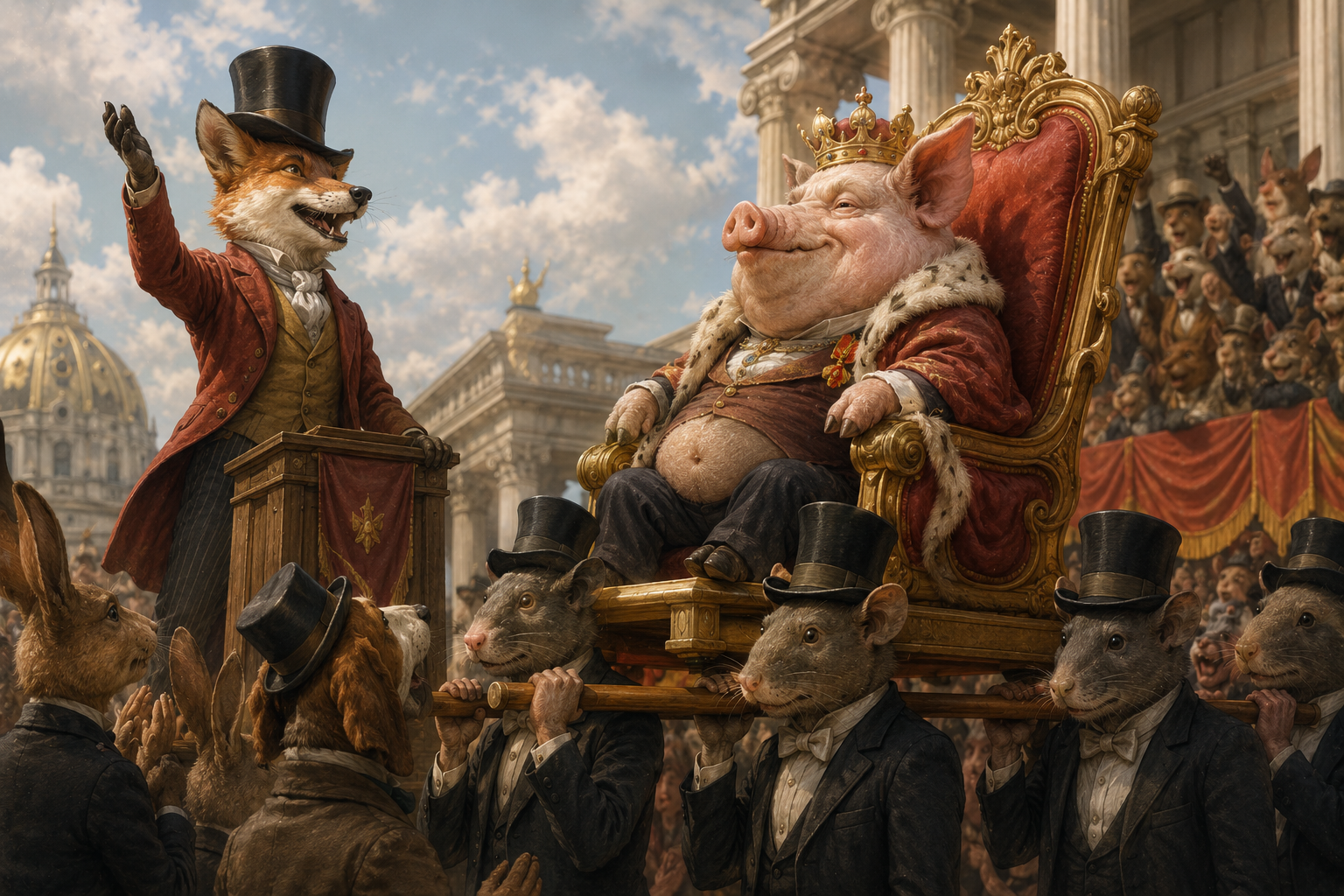
What Is Satire in Literature? Satire is writing that uses humor, irony, or exaggeration to point out flaws in people, society, politics, or human behavior.
It can make readers laugh, but its real goal is often serious. Satire asks us to notice what is wrong and think about why it matters.
In this Guide
- What satire means
- Why satire matters in literature
- How satire works
- Famous examples of satire
- How to analyze satire
- Books to read
- FAQ
What Is Satire in Literature? A Simple Definition
Satire is a literary tool that uses jokes with a purpose.
If someone asks, What Is Satire in Literature?, the clearest answer is this: satire makes fun of something in order to criticize it. The target might be a person, a law, a belief, or a social habit.
Satire is not the same as simple comedy. Comedy may exist just to entertain. Satire entertains, but it also pushes readers to see a problem.
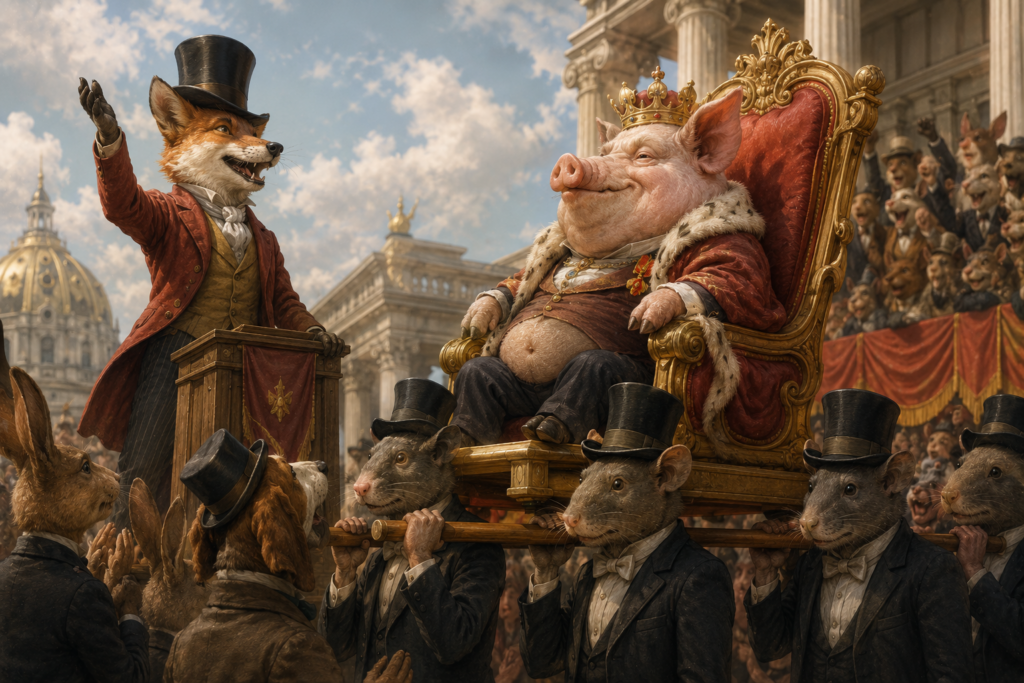
For example, a writer may create a foolish king to show that a real government is corrupt. The story may feel funny, but the message can be sharp.
What Is Satire in Literature? Why It Matters
Satire matters because it helps writers speak truth in a clever way.
In many time periods, writers could not openly attack leaders or social systems. Satire gave them a safer path. They could hide criticism inside jokes, fantasy, or strange events.
Satire also makes readers active. You have to ask, “What is the writer really saying?” That makes satire useful in high school, AP Literature, and college classes.
When students ask, What Is Satire in Literature?, they are really asking how writers use humor to reveal truth. That skill helps with close reading and essay writing.
If you want to study satire beside other terms, this literary devices list is a helpful place to start.
How Satire Works in a Story
Satire often works by making a problem look strange, silly, or extreme.
Writers may use irony, which means the real meaning is different from what appears on the surface. A character may praise a bad law so much that readers realize the law is foolish.
Writers may also use exaggeration. They make a flaw larger than life so readers cannot miss it.
Another common tool is parody. A parody copies the style of something familiar, but changes it to expose its weak points.
So, What Is Satire in Literature? It is not just “being funny.” It is humor with a target and a reason.
Famous Examples of Satire in Literature
Some of the most famous books in English use satire to question power and human weakness.
Animal Farm by George Orwell is one of the clearest examples. The novel uses farm animals to criticize political corruption and the abuse of power. The story seems simple, but its message is serious.
Gulliver’s Travels by Jonathan Swift also uses satire. Gulliver visits strange lands, but those strange places reflect real problems in politics, science, and human pride.
Swift’s essay “A Modest Proposal” is a darker example. He uses shocking irony to attack the cruel treatment of poor people in Ireland. The essay does not mean what it seems to say, which is why it is often taught as classic satire.
The Importance of Being Earnest by Oscar Wilde satirizes social manners and class. The characters care deeply about names, image, and status. Wilde makes their world funny so readers can see how shallow it is.
For a broader overview of satire as a genre, you can visit Britannica’s article on satire.

















What Is Satire in Literature? Common Types to Know
Satire can take different forms, but the main goal stays the same.
Horatian satire is light and playful. It gently mocks human foolishness. This type may make readers smile before they notice the criticism.
Juvenalian satire is darker and more direct. It attacks serious problems like greed, injustice, or cruelty.
Menippean satire often targets ideas, beliefs, or attitudes. It may feel strange, bold, or mixed in style.
When you ask, What Is Satire in Literature?, it helps to know which type you see. A gentle joke and a harsh attack can both be satire, but they create different effects.
How to Spot Satire While Reading
Satire becomes easier to notice when you look for a mismatch.
Ask yourself what seems too foolish, too perfect, or too extreme. If a scene feels funny but also uncomfortable, satire may be at work.
Look for the target. Who or what is being criticized? The target might be a character, a social rule, a government, or a common belief.
Then look for the tone. Is the writer playful, angry, calm, or bitter? Tone can tell you how serious the criticism is.
For more tools that can help with this kind of reading, check out this guide to common literary devices.
What Is Satire in Literature? A Quick Classroom Example
Satire often appears in school texts because it rewards close reading.
Imagine a story about a town where everyone must wear giant hats to prove they are smart. The bigger the hat, the smarter the person is supposed to be.
At first, this sounds silly. But the story might be satirizing people who care more about status than real wisdom.
That is the heart of the answer to What Is Satire in Literature? A writer creates something funny or strange so readers can see a real-world problem more clearly.
Books That Show Satire Clearly
These books are useful if you want to see satire in action.
- Animal Farm by George Orwell
- Gulliver’s Travels by Jonathan Swift
Both books are widely taught and easy to connect to major themes like power, pride, and corruption.
Practical Tip for Analyzing Satire
Use one simple question as you read: What is the writer making fun of, and why?
Once you find the target, look for the method. Is the writer using irony, exaggeration, parody, or a strange situation?
Then connect the joke to the message. A strong satire essay does not just say, “This is funny.” It explains what the humor reveals.
FAQ: What Is Satire in Literature?
What Is Satire in Literature?
Satire is writing that uses humor, irony, or exaggeration to criticize human flaws, social problems, or political issues.
Is satire always funny?
No. Satire can be funny, but it can also feel dark, bitter, or shocking. Its main goal is criticism.
What is the difference between satire and sarcasm?
Sarcasm is often a sharp remark. Satire is a larger form of criticism that can shape a whole poem, play, essay, or novel.
Why do authors use satire?
Authors use satire to expose problems in a way that grabs attention. It can make serious ideas easier to notice and harder to ignore.
Key Takeaway
What Is Satire in Literature? It is humor with a purpose. Satire makes readers laugh, think, and question the world around them.


Get the Free Close Reading Worksheet Pack
Join my email list and receive the printable worksheet pack you can use with any novel or poem.
No spam. Just helpful guides for reading literature well.












