


The table might have looked ordinary at the time, but this flash memoir prompt last meal shared someone before asks you to notice the small details that came before a relationship shifted.
Maybe the meal was quiet. Maybe it was too cheerful, full of jokes that now feel strange in hindsight. Maybe you remember the takeout containers, the chipped plate, the way someone kept checking their phone, or the sentence you almost said and then swallowed.
A last meal is rarely announced as a last meal. That is what makes it powerful. You only understand it later, after the friendship cools, the romance ends, the family changes, or someone leaves. When you write about it, you are not just writing about food. You are writing about the moment before the before became after.

The Prompt
Write about the last meal you shared with someone before things changed between you.
This prompt works because it gives your memory a clear frame. You do not have to explain the whole relationship. You only have to return to one meal. A kitchen table, a diner booth, a school cafeteria tray, or a paper bag of drive-thru food can hold more emotional truth than a long explanation.
The flash memoir prompt last meal shared someone before invites you to focus on what you could see, hear, taste, and feel in that one scene. The meaning can come later. First, let the moment breathe.
Why This Memory Matters
Meals often carry more tension than we admit. People talk around hard news. They pass the salt instead of saying what they mean. They fill silence with comments about the food, the weather, or who paid last time.
That last meal may reveal a turning point you did not recognize yet. Maybe your best friend was already pulling away. Maybe your parent was trying to act normal. Maybe you and your partner both knew something had changed, but neither of you wanted to name it beside the bread basket.
This kind of memory can help you write about change without forcing a big lesson. The scene itself can do the work. A half-finished bowl of soup, a cold cup of coffee, or the way someone folded their napkin can show distance, care, regret, or confusion.
If you enjoy reading closely, this prompt feels a little like learning how to analyze characters in literature. You are watching a real person through gesture, dialogue, and choice. The difference is that one of the characters is you.
How to Approach This Prompt
Begin with one physical detail from the meal. Do not start by explaining the entire relationship or how it ended. Start with the plate, the booth, the smell of garlic, the waxy fast-food cup, or the sound of a chair scraping the floor.
Then narrow the memory to one scene. Keep yourself at the table. Let the reader sit there with you. What did the other person order? Did they eat fast or slowly? Did you look at them while they spoke, or did you study the rim of your glass?
Write what you noticed before you write what it meant. This is important. If you begin with “I knew we were falling apart,” the scene may become too neat. If you begin with “He tore his napkin into tiny squares,” the reader can feel the tension before you explain it.
You can also use this prompt as a form of self-annotation. Look back at the scene the way you might mark a passage in a book. If that appeals to you, this guide on how to annotate literature may give you ideas for noticing patterns, repeated images, and quiet clues.
Try writing for ten minutes without stopping. If you get stuck, describe the food. If that feels too simple, stay with it anyway. Food is often where memory hides.
A Quick Example
We ate pancakes at the diner near the bus station, the one with the blue vinyl seats split at the corners. My brother poured too much syrup and laughed like he had nowhere to be. I remember wanting to tell him I was scared he would disappear again, but the waitress came by with coffee, and the moment passed. He gave me the last strip of bacon from his plate, which was his way of being kind without having to say anything serious. Two days later, he called from another state. He said he needed a fresh start. For years, I thought our goodbye happened on the phone, but it didn’t. It happened in that booth, while the syrup bottle stuck to my hand.
Try It Yourself
Use this flash memoir prompt last meal shared someone before as a way to enter one exact moment. Do not worry about making the memory sound dramatic. The truth may be quiet.
Set a timer for ten or fifteen minutes. Write the meal as a scene. Include one line of dialogue if you remember it. If you do not, write the silence. Let the ending land gently, without trying to wrap up the whole relationship.
You may discover that the meal was not only sad. It might hold humor, tenderness, denial, anger, or love. Let the memory be mixed. Real memories usually are.
Want More Flash Memoir Prompts?
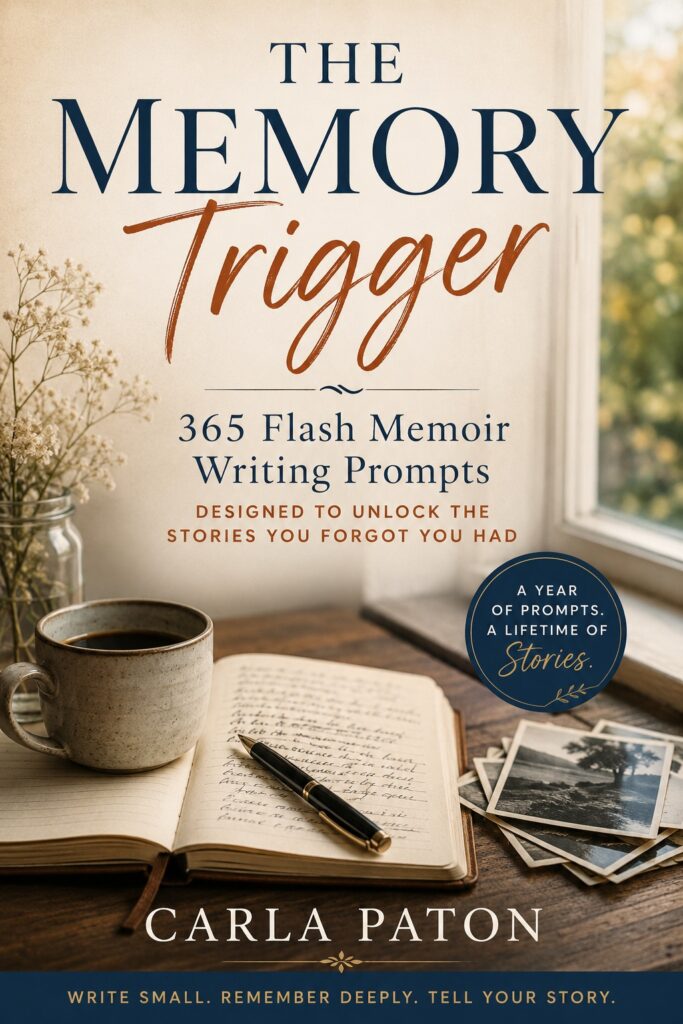
If this prompt opened a door, keep going. Short prompts can help you build a steady writing habit without needing a full life story planned in advance. Explore all 365 prompts in The Memory Trigger: 365 Flash Memoir Writing Prompts.


Get the Free Close Reading Worksheet Pack
Join my email list and receive the printable worksheet pack you can use with any novel or poem.
No spam. Just helpful guides for reading literature well.












